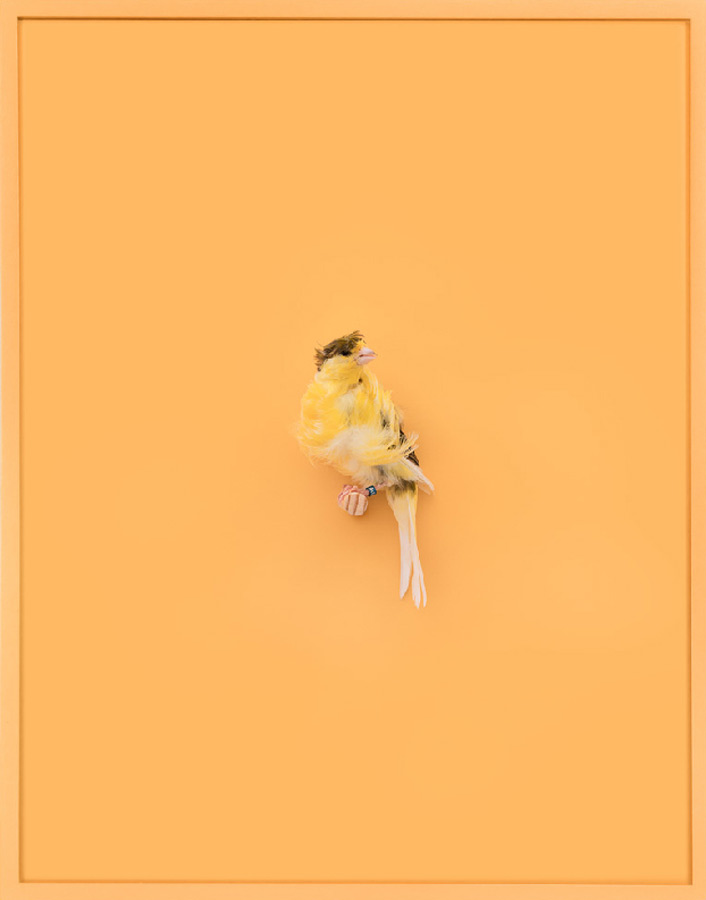
 Image: © Daniel Handal, "Yellow Parisian Frilled Canary (Acqua Santa)," 2017; Archival pigment print, painted frame; Courtesy of ClampArt, New York City
ClampArt is pleased to announce "Daniel Handal: Pajaritos" - the artist's first solo show with the gallery. aCurator is thrilled to watch the birdies in
full screen in the magazine. I particularly love the way the matching frames elevates these portraits, and how much leg work the artist had to put in finding the correct paint colors. "Pajaritos" is on view now through July 7, 2018 at ClampArt, 247 W 29th St, New York, NY 10001.
Finding exotic bird keepers in New York City, the artist travels to their homes with a portable studio resembling a pup tent with a variety of pastel-colored backdrops that include a place for a perch. He picks an appropriately hued backdrop to situate in the tent along with the bird, and when the excitement settles and his subject rests, Handal shoots the portrait.
Due to their ability to soar far above the earth, birds universally represent the idea of freedom. Handal embraces this symbology and employs the birds in a form of self-identification. The artist was raised in Honduras in Central America where "pajaros" is a derogatory term for gay men. Growing up in a machismo Hispanic culture, Handal struggled with his own sexuality as a youth, worried about his ability to be true to himself amidst the stringent societal pressure to conform.
Read more about the series and its underlying message over at ClampArt.
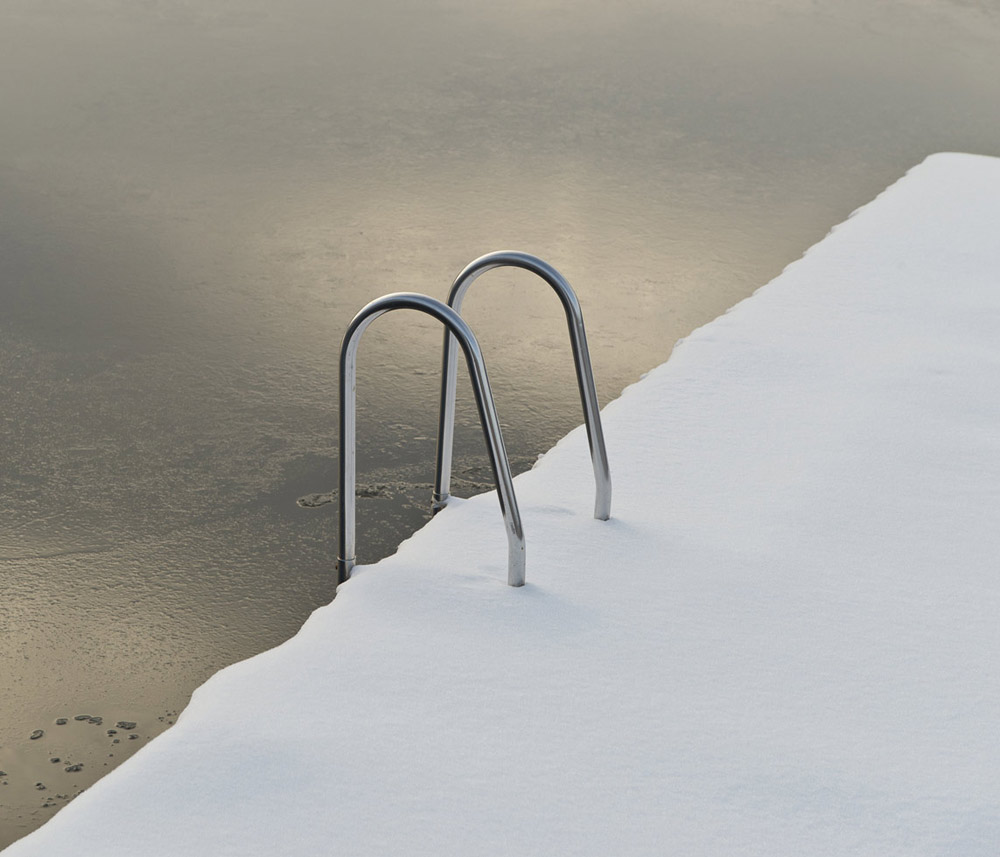
This is the first feature by one of the students who attended my "It's Shot, Now What?" marketing and branding classes in Norway.
Anette Asbjørnrød captured my attention with her variety of work. She brings a certain empathy to all she does. "Off Season" is a classic set of photographs of a coastal town during the winter, enhanced by Anette's eye and the muted palette.
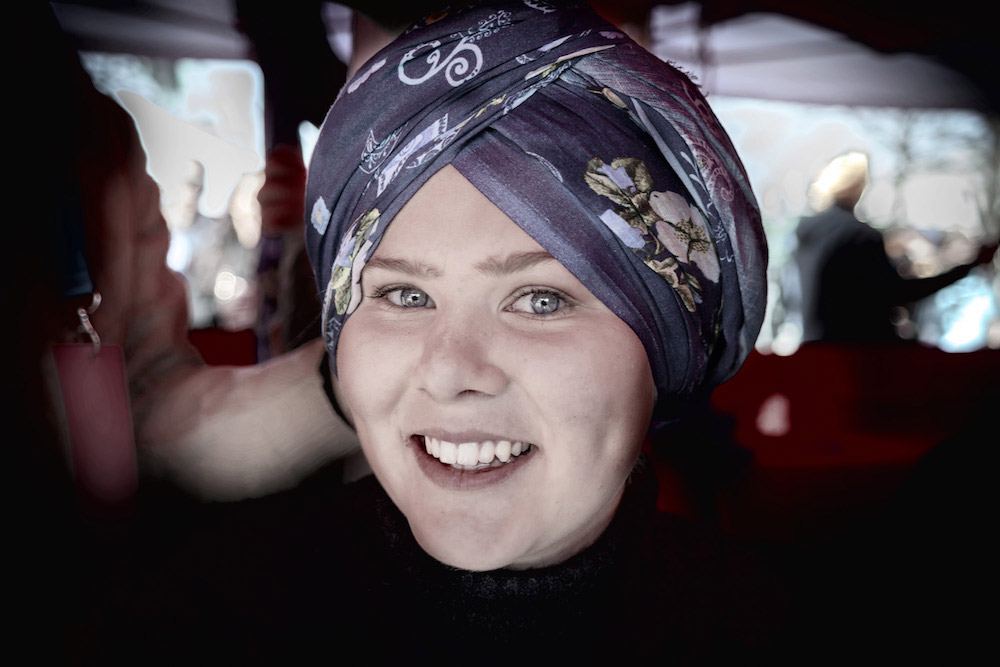
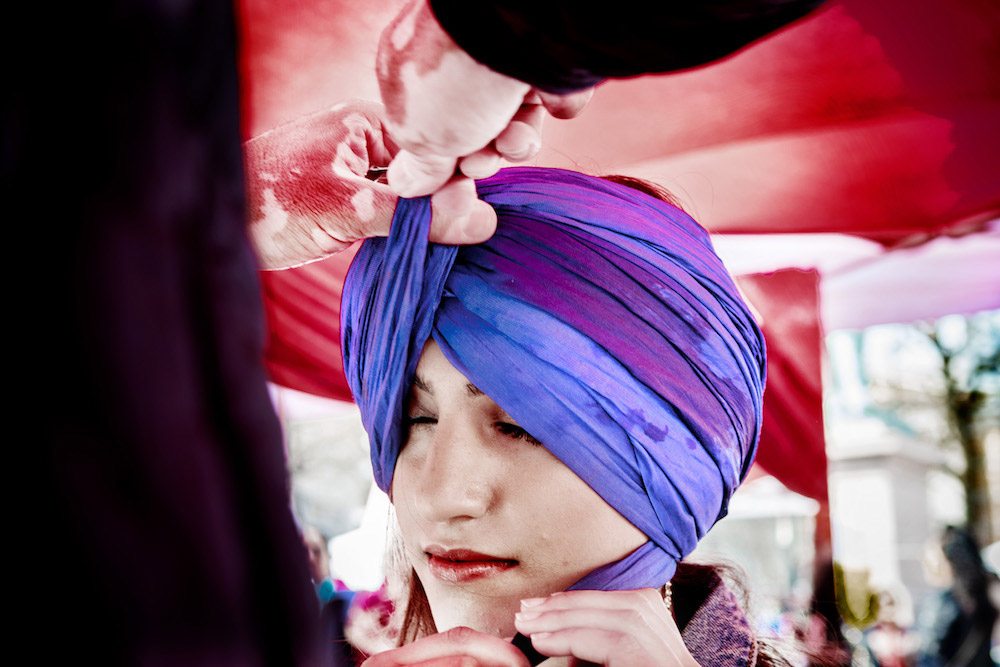
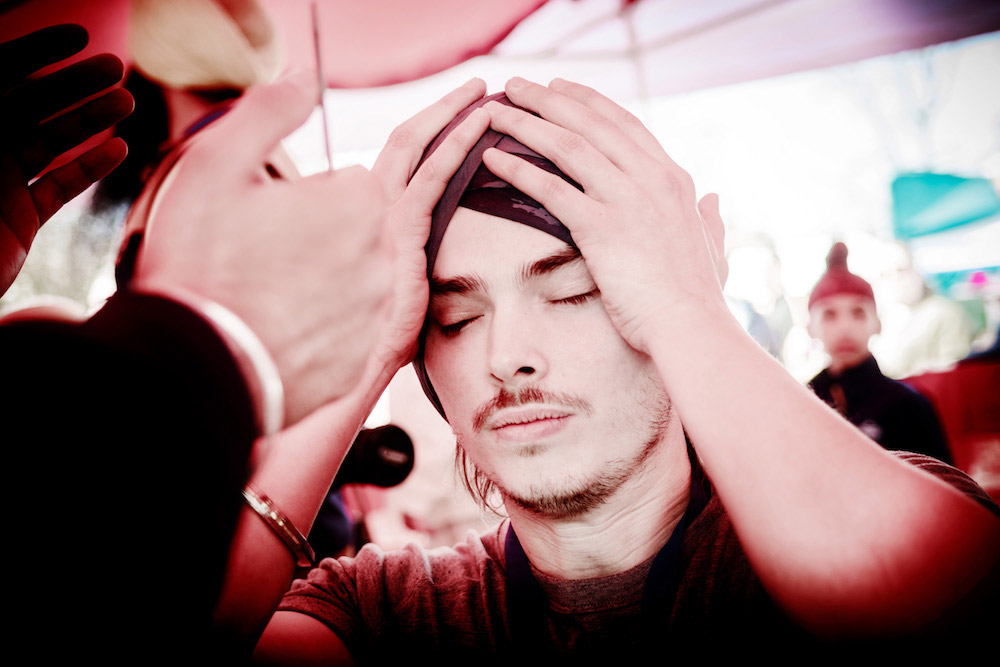
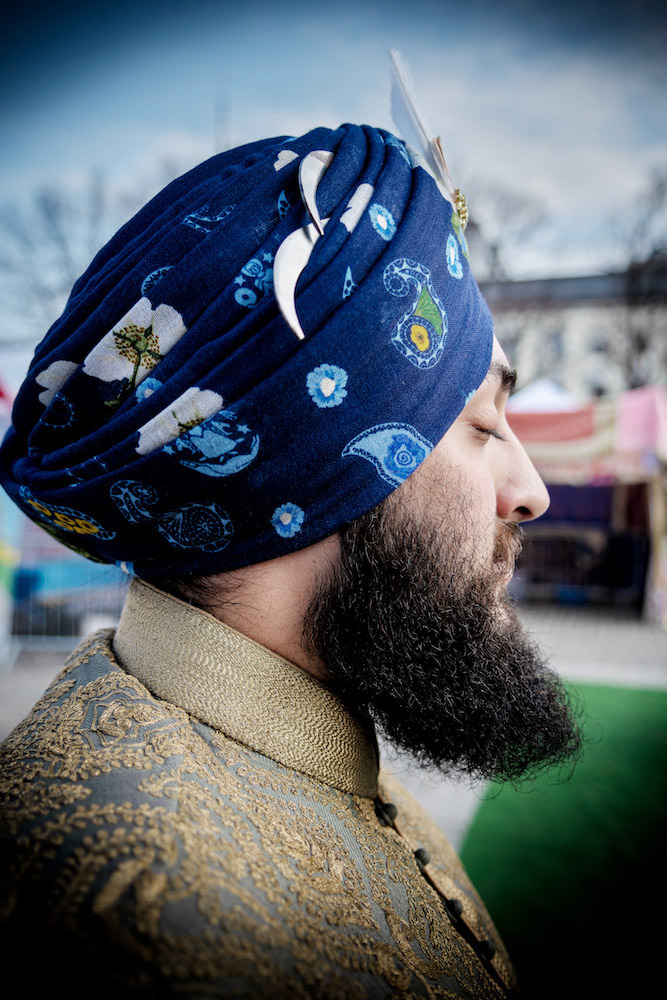
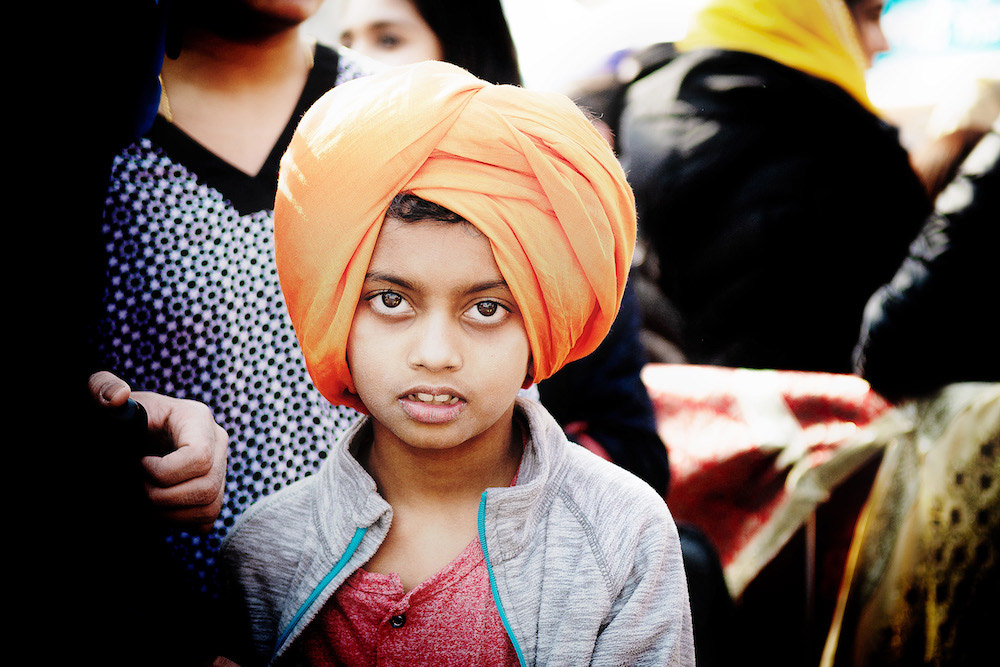
Shahriar Nouri is a photographer living and working in Norway. In a nod to cultural diversity, Norway's Turban Day is in its ninth year and our man Shahriar was there to record it.
"The Norwegian Turban Day is an annual event in Oslo, where Sikhs in Norway happily let part of their cultural expression of identity become a novelty appropriation of sorts for a day. The people of Oslo and nearby areas, as well as tourists and visitors, get their heads wrapped in cloth and are offered vegetarian cuisine free of charge.
Oslo City even has its own limited edition turban design." That's right - and this year it's Paisley!?
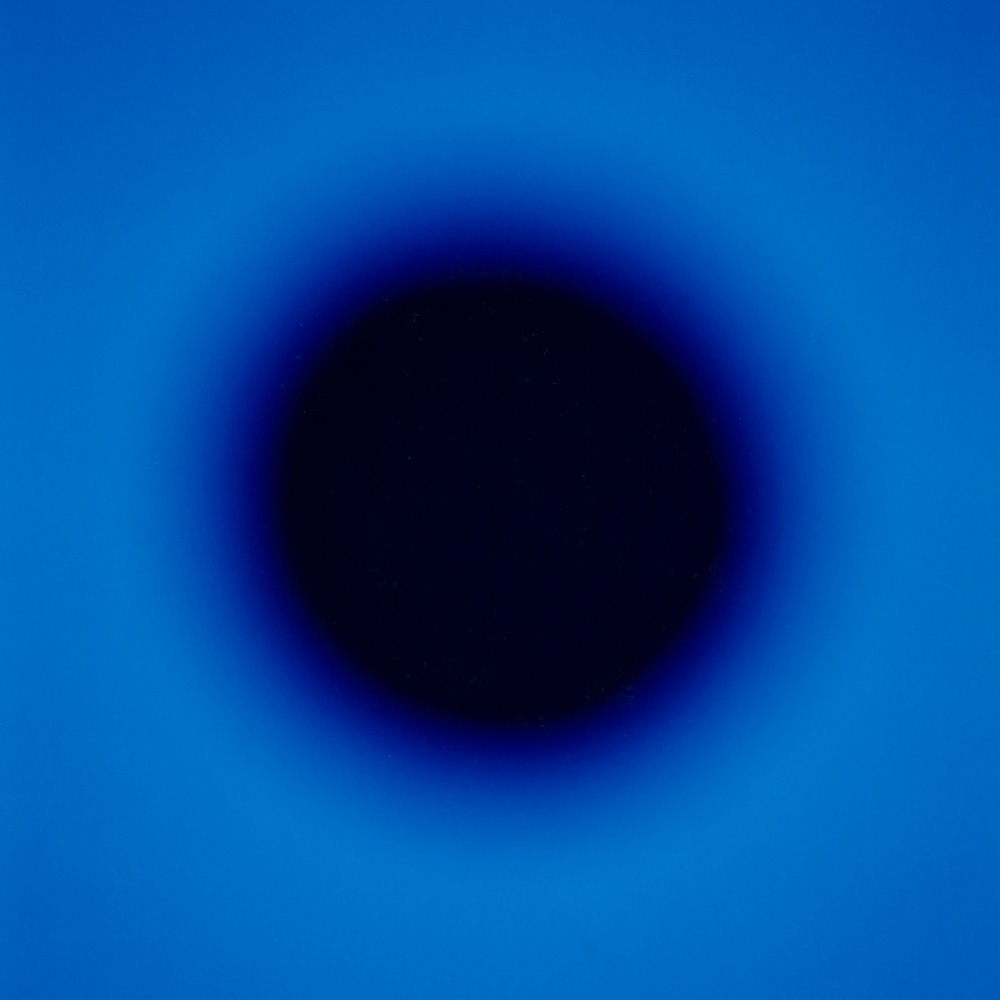
Bill Armstrong's Mandalas are one element of the ongoing Infinity series that he began in 1997 and I am thrilled to publish a handful in the magazine - I find them especially mesmerizing on black and in full screen. Set aside some time and
view the full screen magazine photo feature.
Bill's statement:
The Infinity series is an extensive body of work that I have been photographing since 1997. It includes a wide range of portfolios, from figurative to abstract, that are made using my unique process of photographing found images extremely out of focus with the camera's focusing ring set at infinity.
My unique process of appropriating images and subjecting them to a series of manipulations - photocopying, cutting, painting, re-photographing - transforms the originals and gives them a new meaning in a new context. Extreme blurring makes the edges within the collages disappear, so the photographs appear to be seamless, integrated images. This sleight of hand allows me to conjure a mysterious tromp l'oeil world that hovers between the real and the fantastic. It is a world just beyond our grasp, where place may be suggested, but is never defined, and where the identity of the amorphous figures remains in question. It is a world that might exist in memory, in dreams, or, perhaps, in a parallel universe yet unvisited.
The nature of visual perception intrigues me: how the eye continually tries to resolve these images, but is unable to do so, and how that is unsettling. And I am drawn to the idea that we can believe something is real, while at the same time knowing it is illusory; that the experience of visual confusion, when the psyche is momentarily derailed, is what frees us to respond emotionally.
At the same time, the subject of these collages is color. Extreme de-focusing enables me to blend and distill hues, creating rhapsodies of color that are meditative pieces - glimpses into a space of pure color, beyond our focus, beyond our ken.
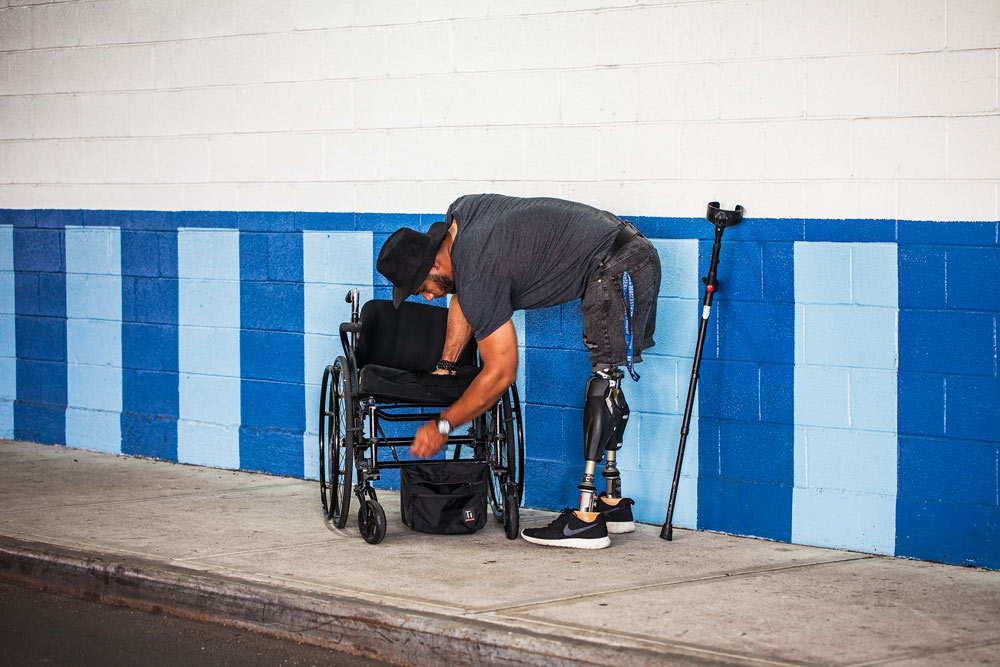
I am late to the party but I love this collaboration between photographer
Michael Weschler and Paralympic sled hockey player
Raymond Diaz. A good story never goes cold and Michael made it easy with his account. Enjoy!
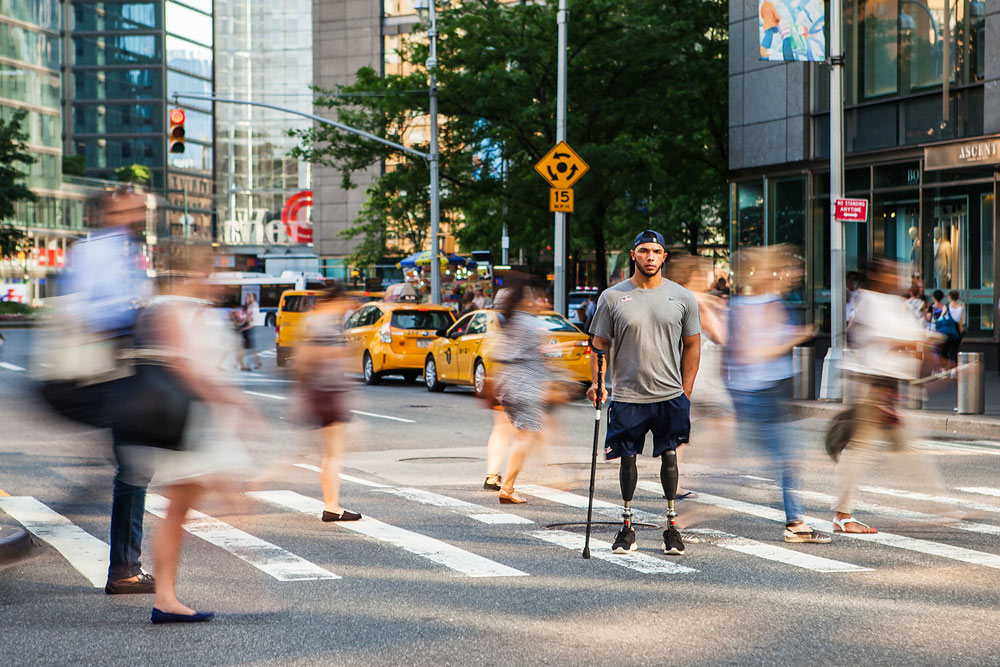
"While I've always enjoyed photographing people who've achieved great things, I'm moved by people who face and overcome adversity. So, when I met Team USA Paralympic Sled Hockey All Star, Ray Diaz, I knew he would become a portrait of inspiration."
"Our mutual friend, an art director who's also an amputee, introduced me to Ray and I was immediately captivated by his positive attitude. Meeting him reminded me of my first triathlon - I saw para-athletes getting thrown into the ocean to start the race. You're struck by their courage and tremendous motivation and think about how hard they must have worked to get through both physical therapy and intense training. It makes you reflect and feel gratitude for your own difficult months of training, which you know pales in comparison to their journey."
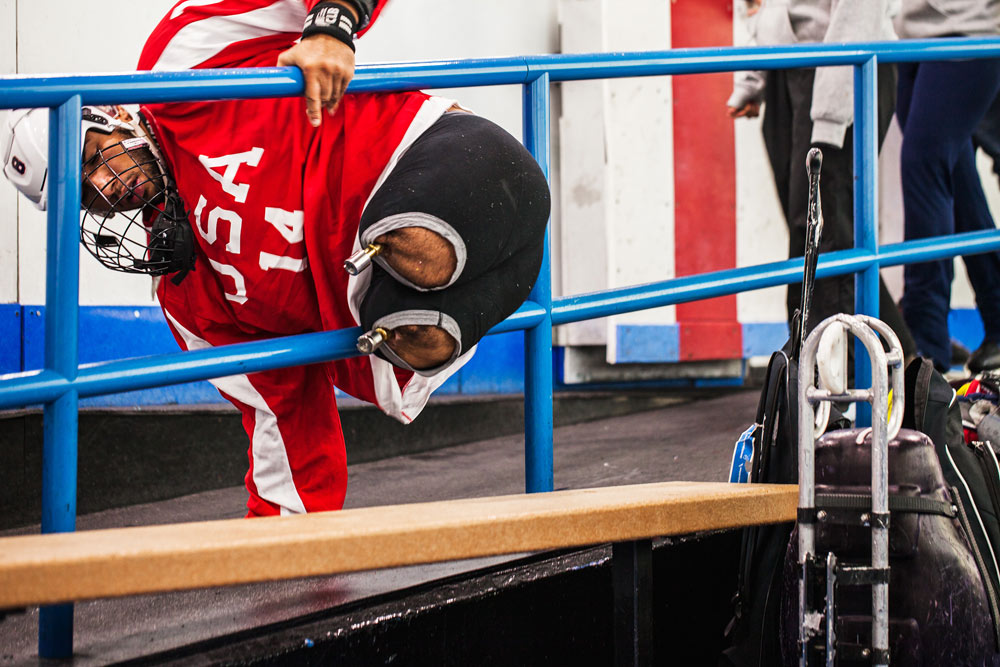
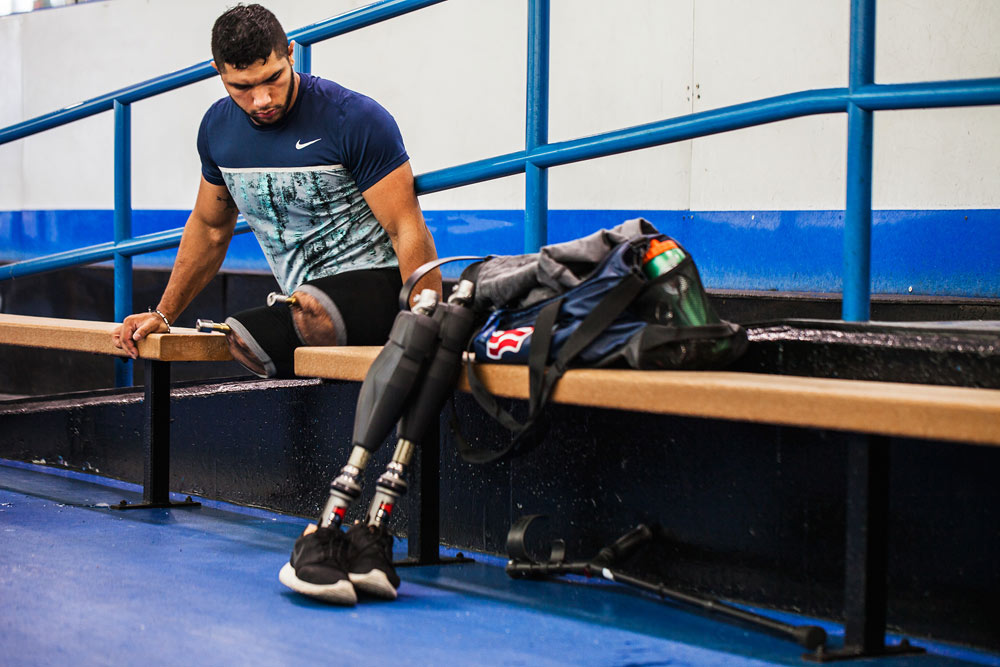
"When I first met Ray, I learned quickly about his extra-ability on the ice as a sled hockey player. Something about his story struck a deep chord inside me - I found myself thinking I could never match his level of intensity. Ice Hockey players often hip-check each other into the plexiglass, but sled hockey players get pummeled into the solid wall below that. Ray's tenacity pushed him to go beyond his constraints to achieve not only what we take for granted, like walking or driving, but to excel at a sport that requires great courage, skill and strength to compete.
"You get new scars from guys jousting at you with their hockey sticks, spikes up, but you just want to feel more alive, so you shake off the pain and keep going," Diaz says."
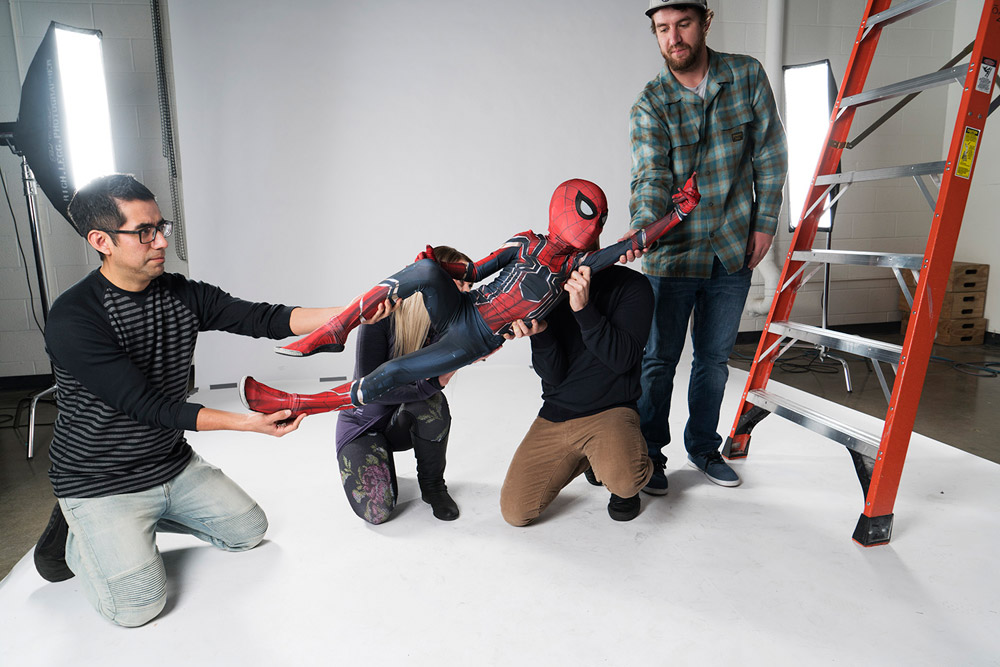
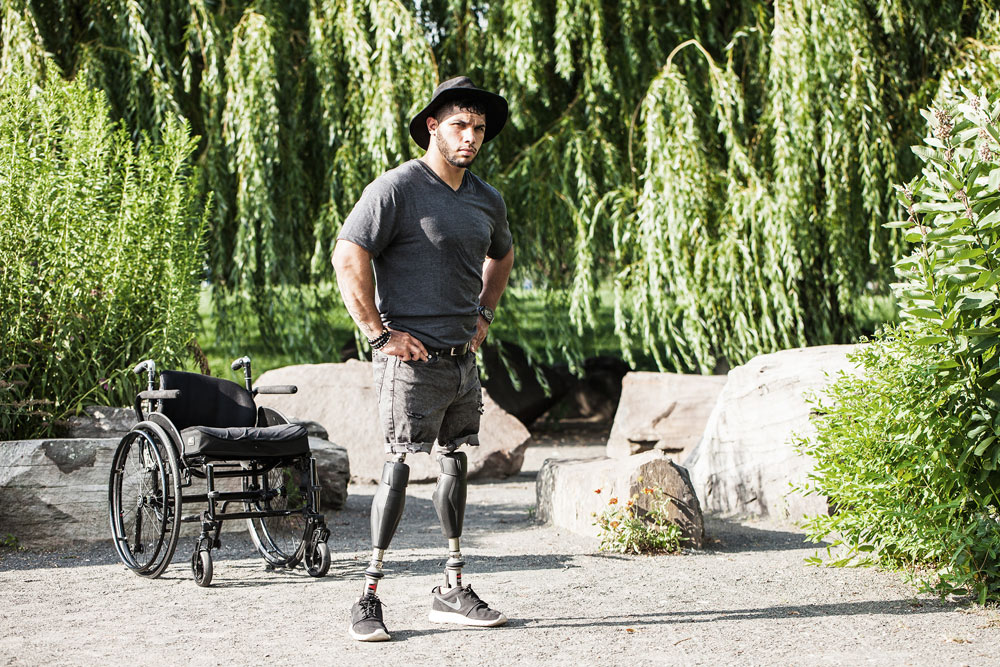
"My new series, There Are No Obstacles, helps to tell Ray's remarkable story. Sometimes, when we're looking closely enough, time stands still, reminding us to stay grounded. For the series, I wanted to create something meaningful and inspiring, so I created captions and played with typography, pushing myself outside of my comfort zone. The presentation needed to be special because there are very few people I've met who are as present and in the moment as Ray. Somehow, this tragic accident that paralyzed Ray for several months empowered him to accomplish tremendous feats of incredible athletic ability.
"We are all fighting battles, but there are few heroes like Ray who raise the bar and, through their triumphs, help us to change our own perspective. Ray is a badass on the ice and much better than most. After losing his legs, it changed his center of gravity completely and he had to relearn how to walk. However, nothing holds him back. His athletic ability is incredible, so he's no longer a victim, but a heroic fighter who is thriving. His spirit and tenacity inspire you to overcome all obstacles.
"Find your ability within your disability. We all have our strengths and weaknesses, but if we focus on elevating our game, we can remove all doubts and make anything possible." Michael Weschler, December, 2017.
It's Women's History Month at D.C.'s
National Museum of Women in the Arts, the only major museum in the world solely dedicated to championing women through the arts. I am joining in the #5WomenArtists social media campaign. Led by the National Museum of Women in the Arts, and now in its third year, the campaign seeks to confront gender inequity and inspire a global conversation. Here are my nominations of
five six women artists who I personally love and respect enormously. Here are my
five six seven EIGHT:
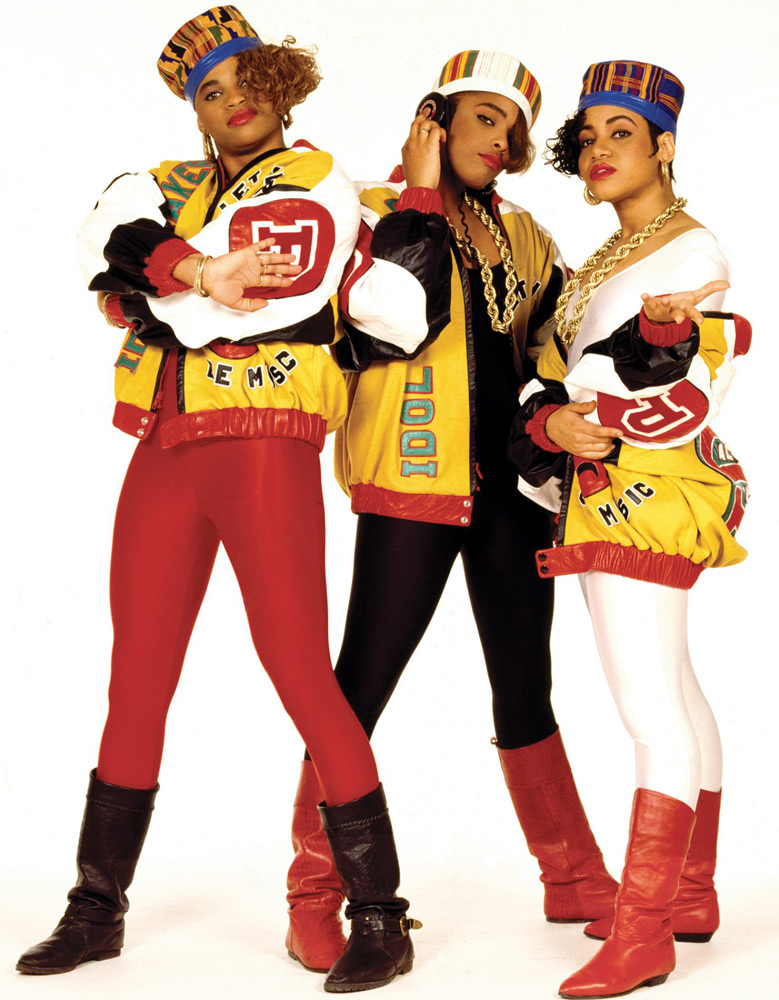
Janette Beckman is a prolific artist. She not only has an archive that takes no prisoners, she still shoots as much as ever. People love Janette's style and the consistency throughout her work whether she's shooting a big name band, an underground women's fight club, or kids on the street. Check out the breadth of her work on her tip top website. Salt n' Pepa, 1987.
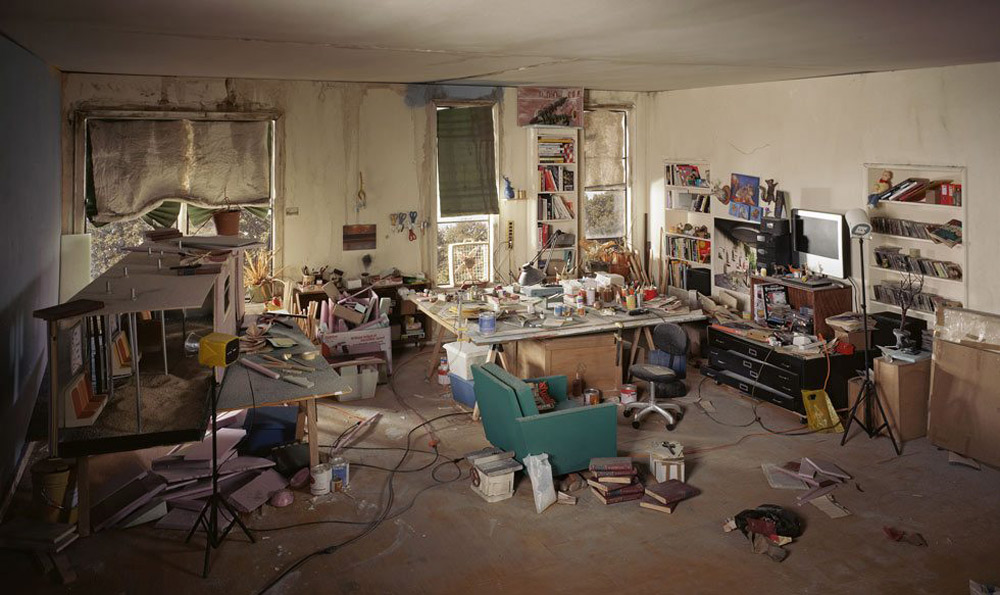
Lori Nix and Kathleen Gerber ("We Make Large Things Small") are almost indescribably creative. Their wry eyes pervade their work. Lori and Kathleen spend arduous months making small dioramas that they then photograph. Above is "Living Room", 2013, which slays me with its mini-mini version of their Subway diorama, on the left. They scanned their CDs and books and printed them small to recreate their shelves - just one of the myriad little details that feature across their work.
I witnessed as
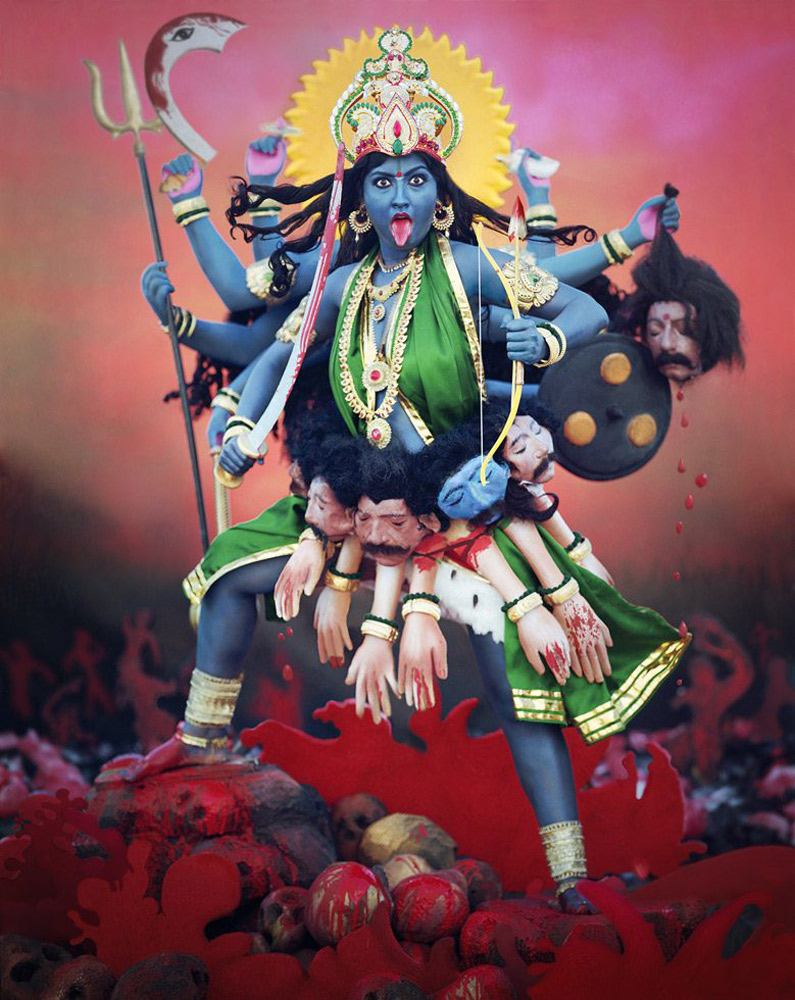
Manjari Sharma developed her Darshan series. Everything from the original concept to the final execution was superbly accomplished with appropriate love and devotion, and she brought her audience along for the journey. Manjari produced the gods in her home country of India with local artisans and eventually showed prints 60 x 48 inches in brass frames hand made and shipped from India to their debut outing at ClampArt in New York in 2013. Look out, here is Maa Kali coming to take your head.
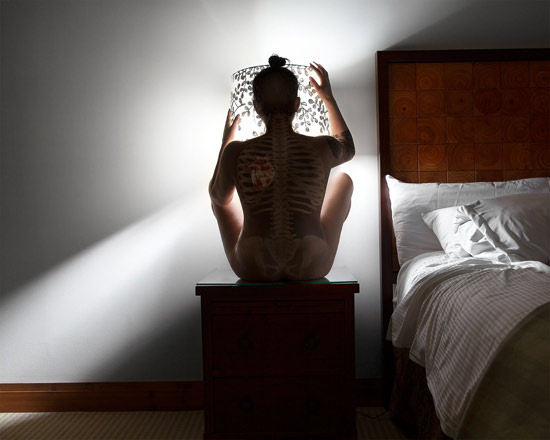
Rocio De Alba quietly impresses with her subversive work. Examining motherhood, addiction, and neurosis, without overly navel gazing, her photography is thoroughly relatable. Rocio uses what is around her to create her curious vignettes.
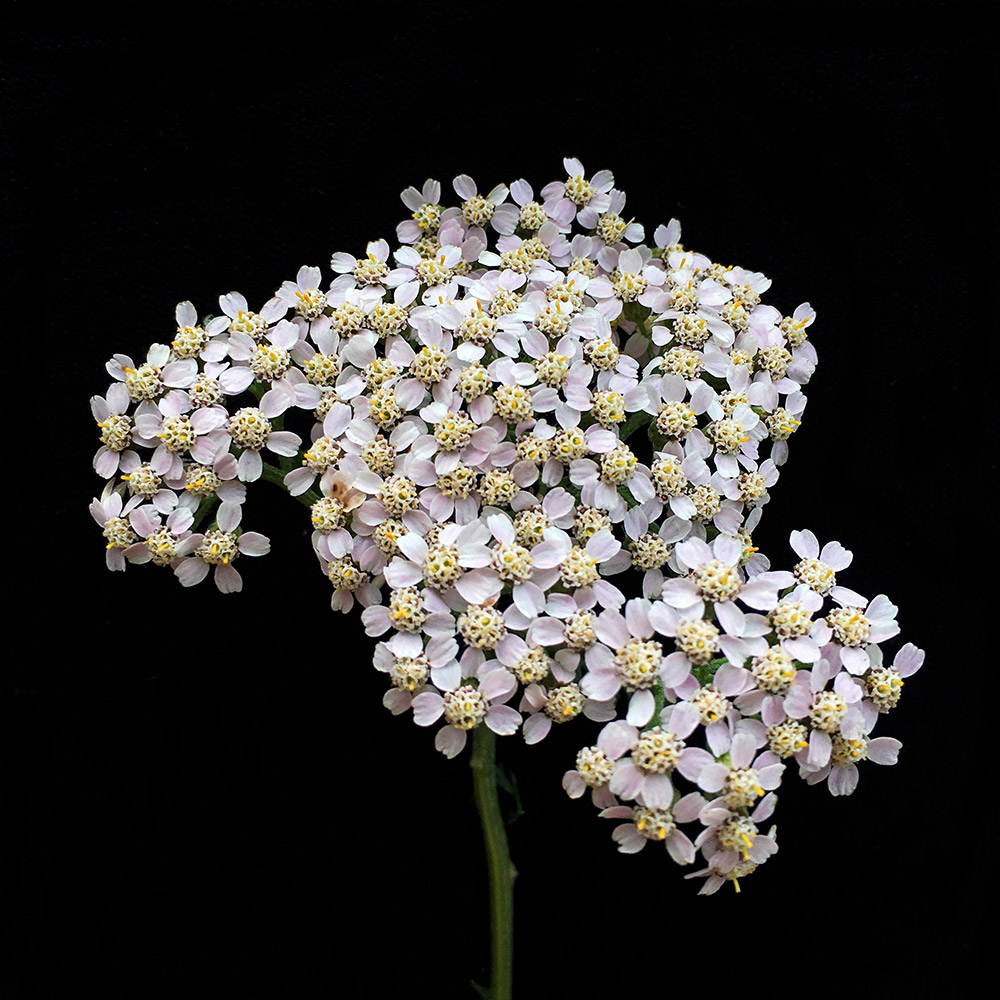
Chloe Juno is an artist and also a curator. In this particular series she cleared her mind with nature walks, simply photographing flowers in situ to such lovely effect. Like all these artists, Chloe has a variety of work to enjoy. Please visit all their websites and follow them on the social media.
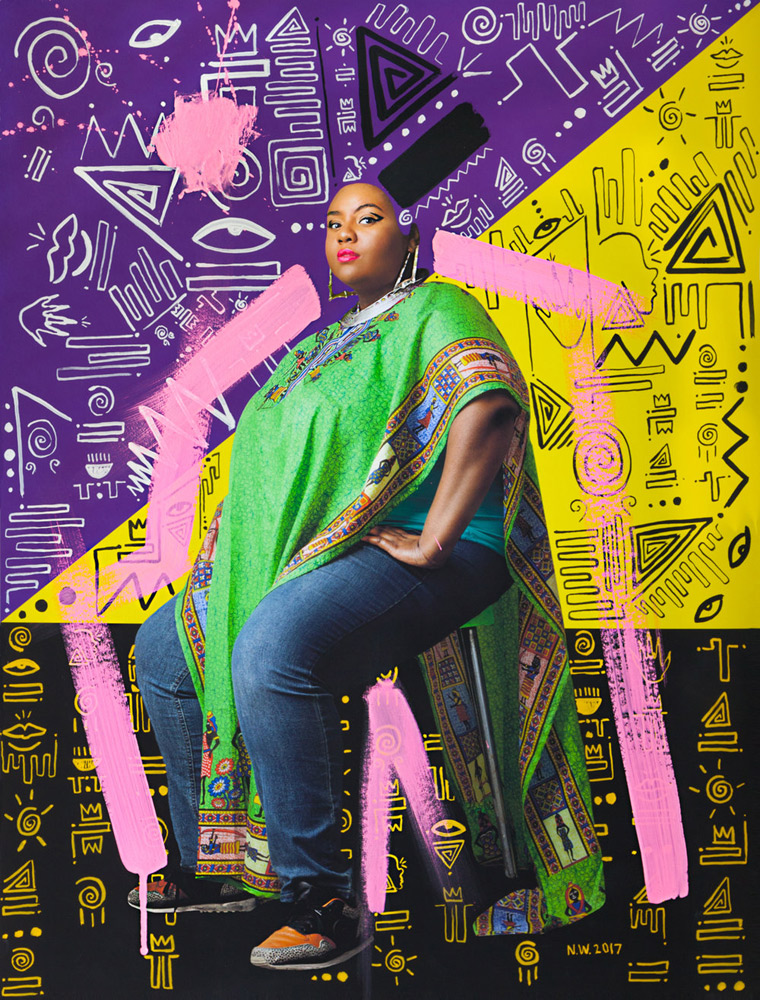
Working in both photography and illustration is youngster
Nichole Washington. Nichole has gone from student to shero in the short time I've known her. I can't wait to see what she does next.
My bonus artist is
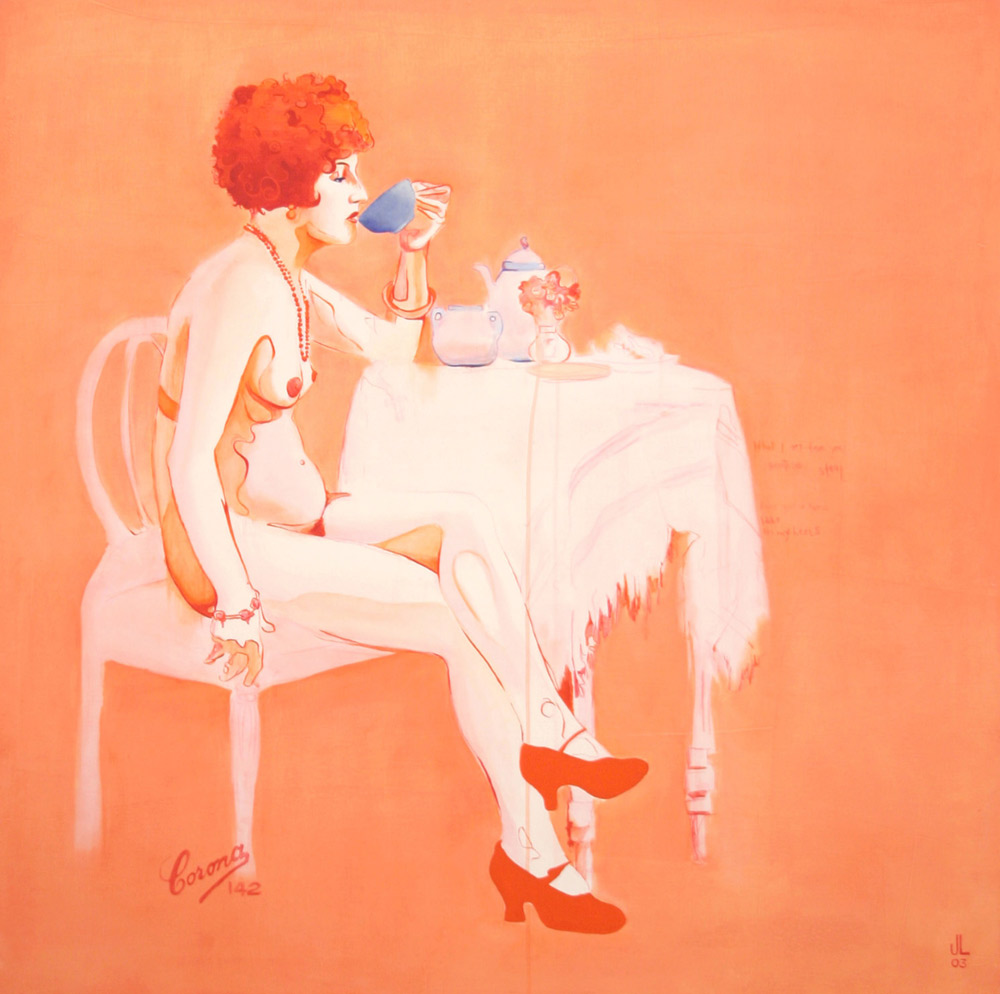
Jenny Laden whose style I have also watched develop over many years. I love her starlets, recent drawings, and lucky for you Jenny now takes on portrait commissions. Enough with the photographs! Above, Teatime, 2003.
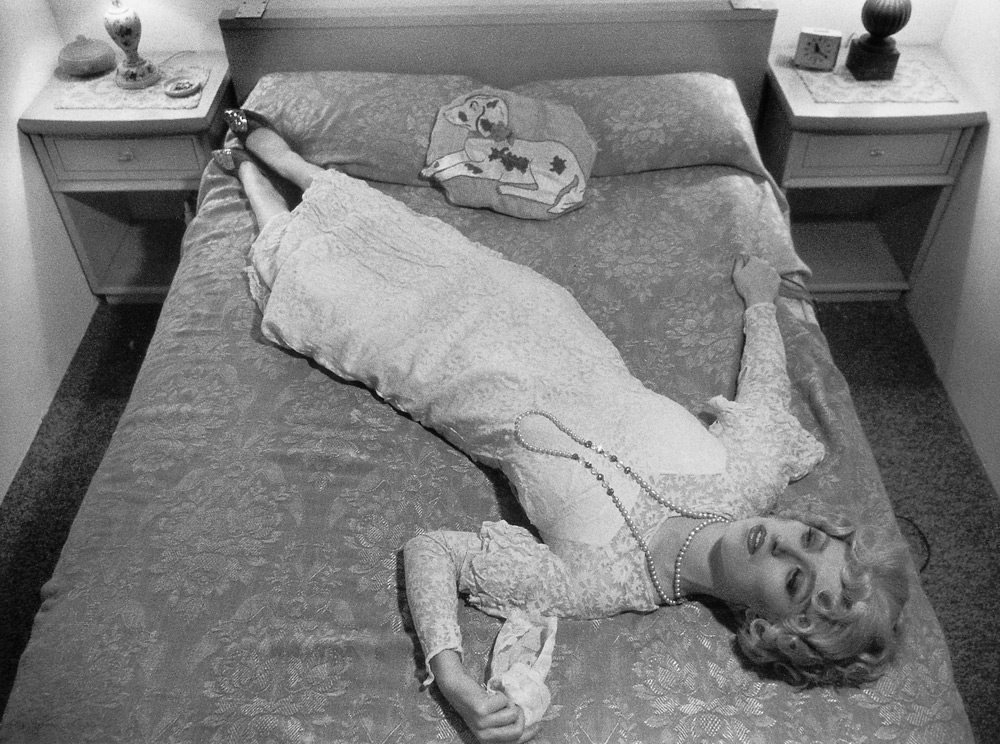
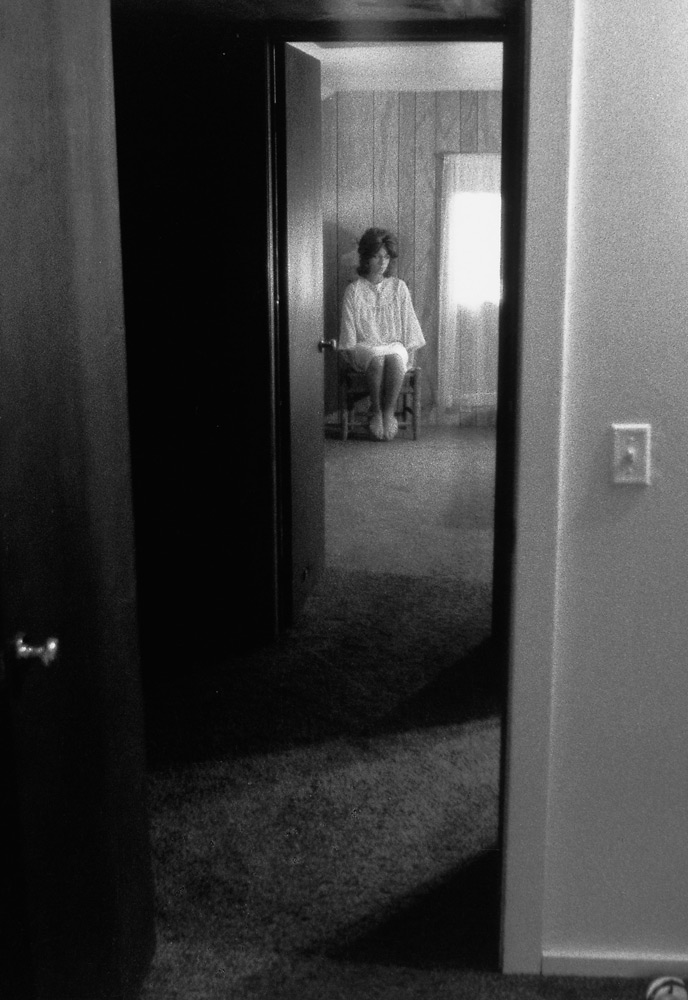
Cindy Sherman, Untitled Film Still #11, 1978; Gelatin silver print, 12 3/8 x 15 7/8 in.; Courtesy of the artist and Metro Pictures, New York. On view in the exhibition Women House (March 9-May 28, 2018)
March is Women's History Month. At D.C.'s
National Museum of Women in the Arts (NMWA), the only major museum in the world solely dedicated to championing women through the arts, there's lots going on.
First, it's the return of the award-winning
#5WomenArtists social media campaign. Led by the museum, and now in its third year, the campaign seeks to confront gender inequity and inspire a global conversation.
NMWA poses the question: "Can you name 5 women artists?" and invites individuals and cultural organizations to celebrate women artists by using the hashtag #5WomenArtists on social media. In 2017, over 11,000 individuals and 520 organizations from 30 countries and all 7 continents participated. They expect an equally strong response in 2018, when the museum will be encouraging a focus on women artists of color, who experience a double disadvantage in an already challenging field.
And, just opened is the opening of the exhibition Women House (March 9-May 28, 2018) featuring 36 international artists whose work - photography, sculpture and video - recasts conventional ideas about women in the home. Women House forms a sequel to the famous project Womanhouse, developed in 1972 by Judy Chicago and Miriam Schapiro. The artists and their students at the California Institute of the Arts transformed a dilapidated Hollywood mansion with works that disrupted conventional ideas about the home as a feminine space. It attracted thousands of visitors and national media attention. A landmark exhibition in art history, Womanhouse was the first female-centered art installation to appear in the Western world.
The artists in Women House at the National Museum of Women in the Arts, include Louise Bourgeois, Judy Chicago, Mona Hatoum, Zanele Muholi, Leticia Parente, Martha Rosler, Miriam Schapiro, Cindy Sherman and Laurie Simmons and others.
I have a feeling of disgust that there's a need for Women's Month, but let's join in while we still need to! Here's some of what's on view at the National Museum of Women in the Arts in the Women House exhibition. Definitely worth a trip to Washington.
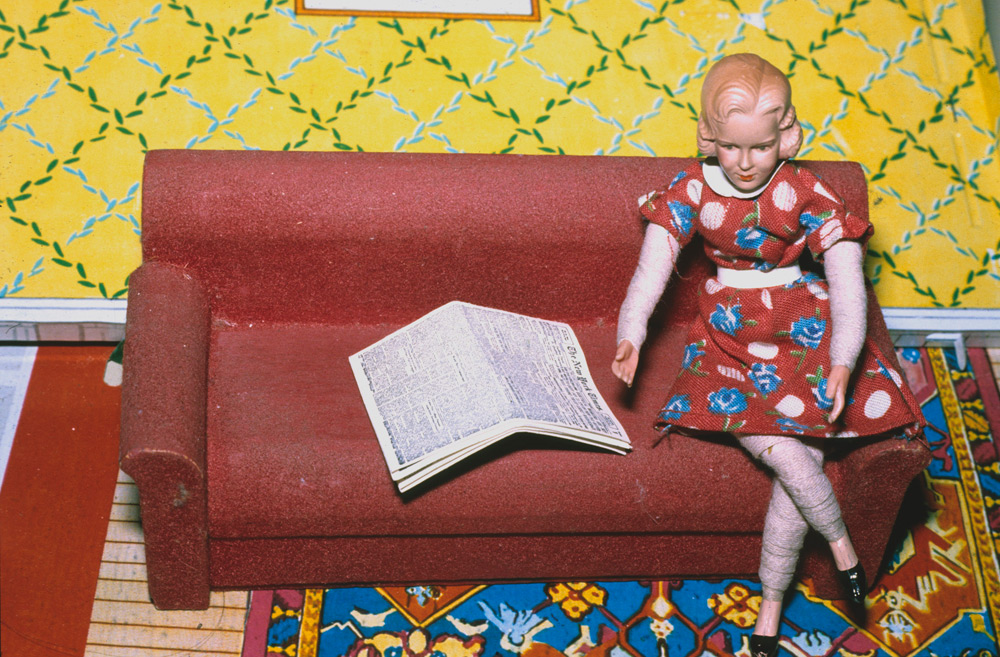
Laurie Simmons, Woman/Red Couch/Newspaper, 1978; Cibachrome print, 3 1/2 x 5 in.; Courtesy of the artist and Salon 94, New York
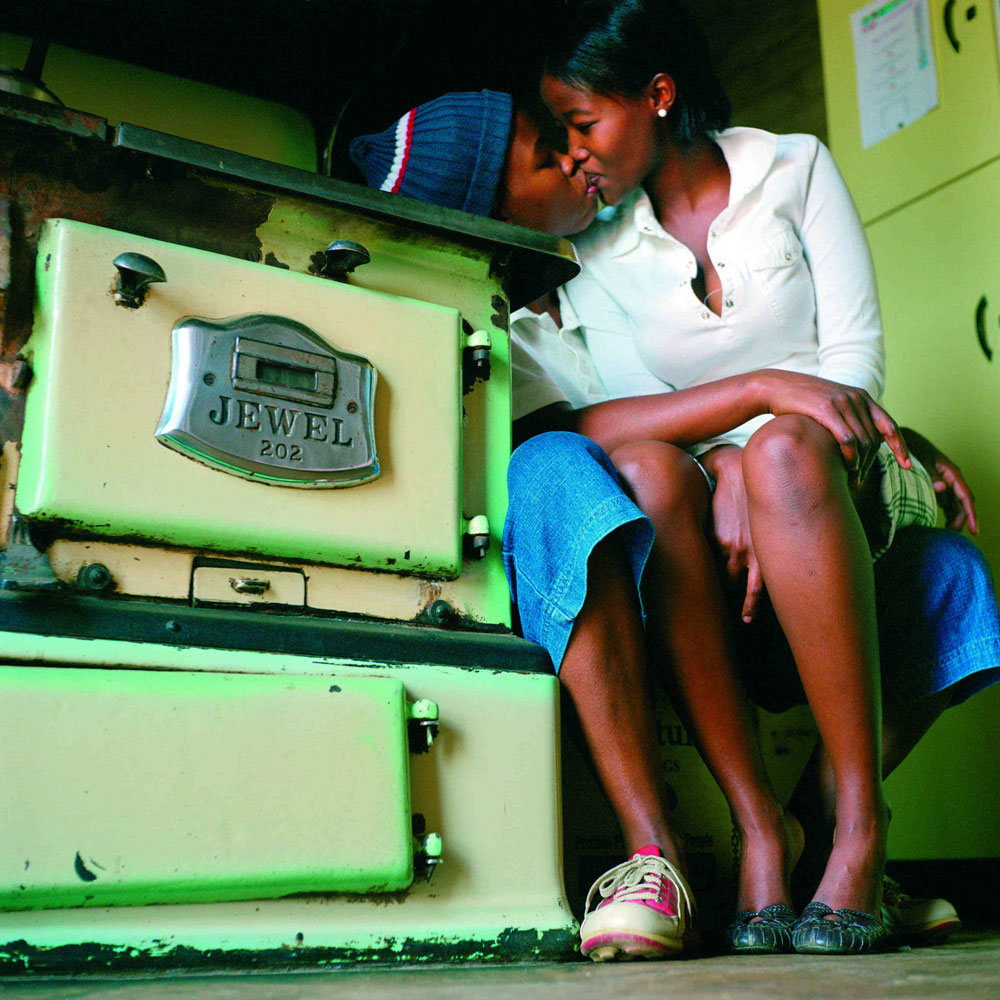
Zanele Muholi, Katlego Mashiloane and Nosipho Lavuta, ext. 2, Lakeside, Johannesburg, 2007; Lambda print, 30 1/8 x 29 3/4 in.; Private collection
Cindy Sherman, Untitled Film Still #82, 1980; Gelatin silver print, 15 7/8 x 12 3/8 in.; Courtesy of the artist and Metro Pictures, New York
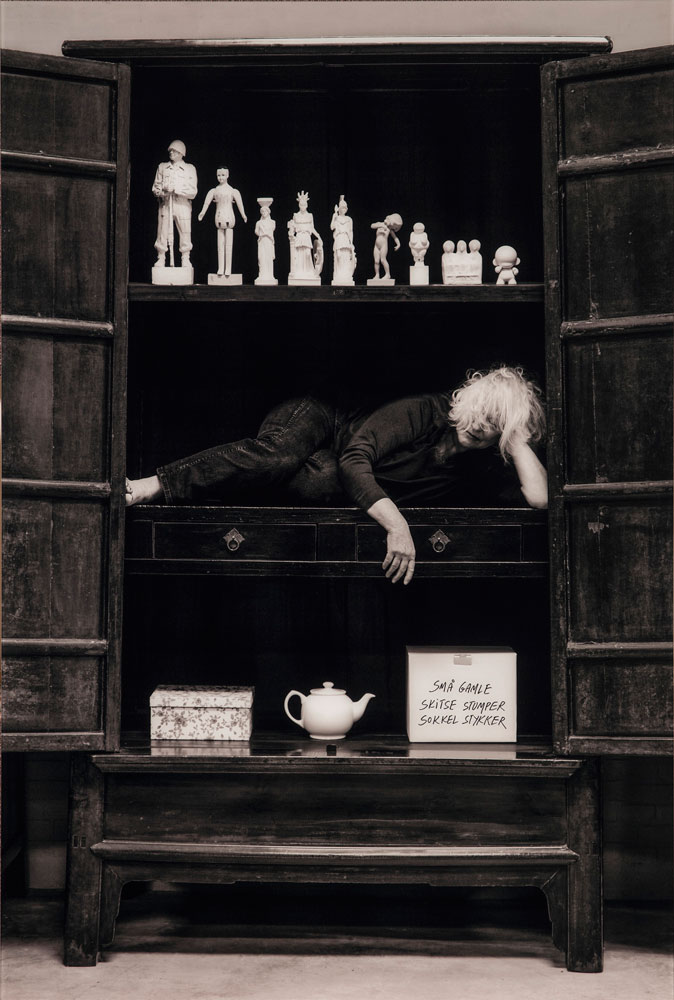
Kirsten Justesen, Portræt i arkiv med samling (Portrait in Cabinet with Collection), 2013; Chromogenic print mounted on Dibond with matte acrylic, 58 1/4 x 39 1/2 x 1 in.; National Museum of Women in the Arts, Gift of Montana A/S; © Kirsten Justesen
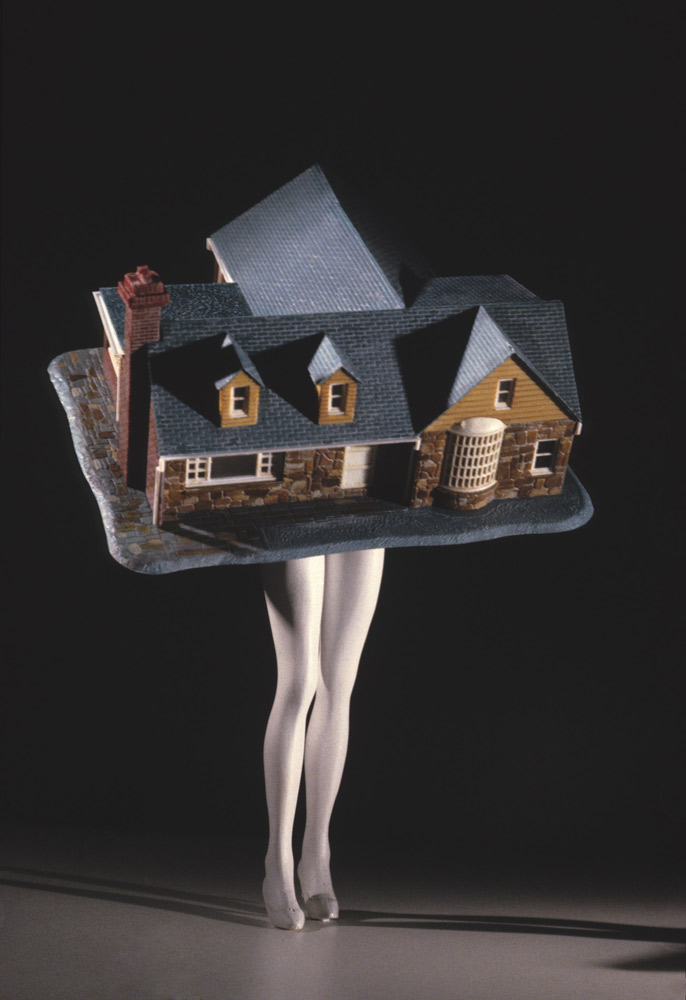
Laurie Simmons, Walking House, 1989; Chromogenic print; 64 x 46 in.; Collection of Dr. Dana Beth Ardi; Photo courtesy of the artist and Salon 94, New York
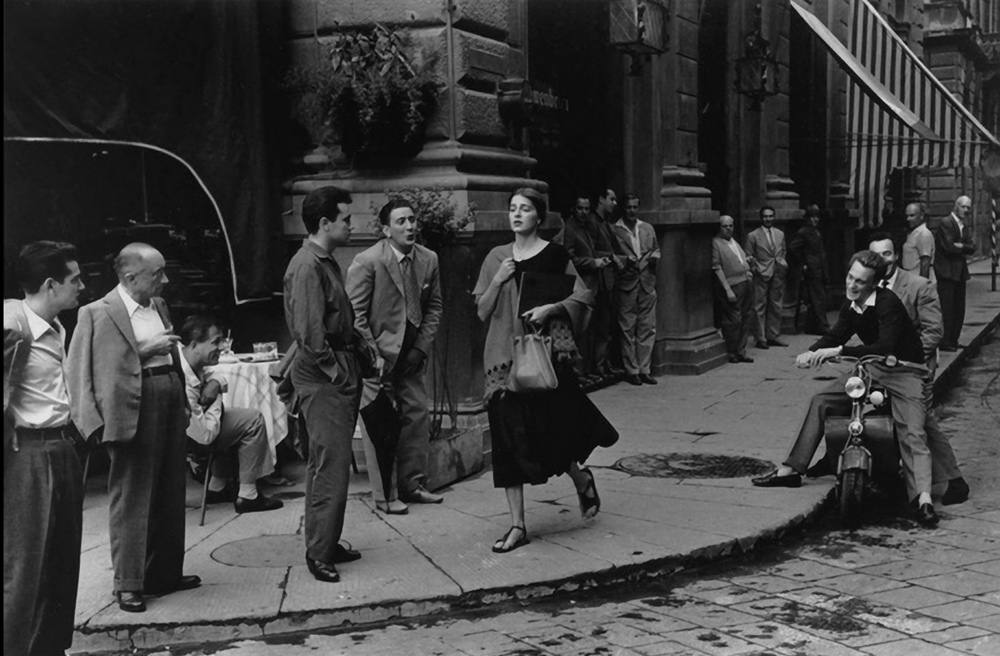
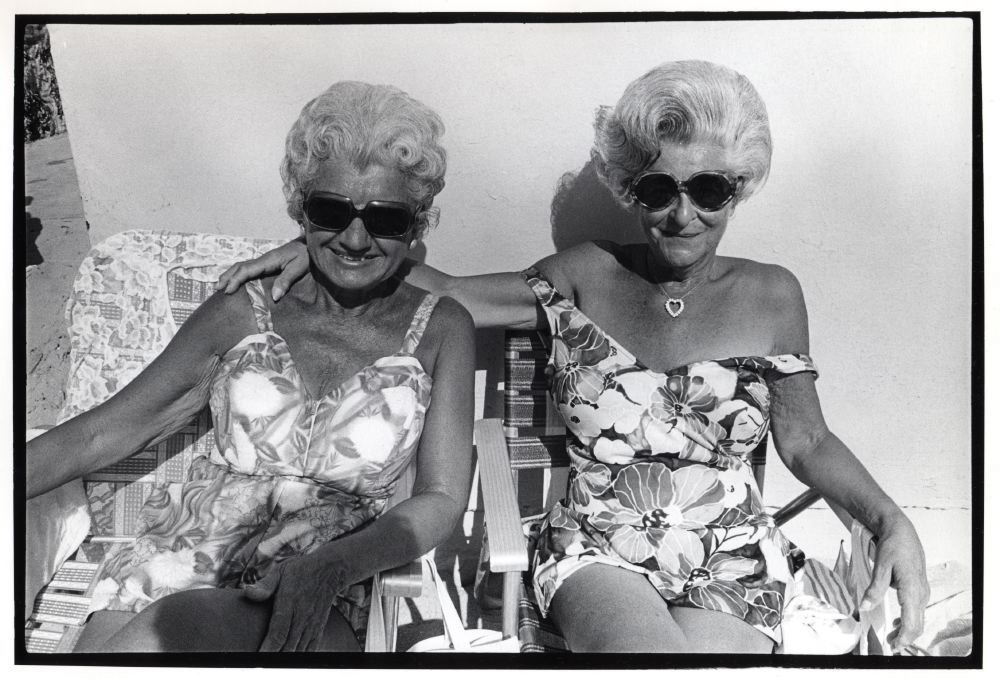 Miami Beach, 1974 © GODLIS
"I took these photographs in late winter 1974, when I was in Miami Beach for 10 days visiting my (Jewish) grandmother who lived in the area now known as South Beach. I was on a short break from my first year of photography school up in Boston (East Cambridge, a school called Imageworks). By that time in 1974, I was already knee deep into "street photography", and had already burned my way through various photography books: Henri Cartier-Bresson's Decisive Moment, Robert Frank's The Americans, as well as the work of Garry Winogrand and Lee Friedlander.
"But it is Diane Arbus who echoes through all of these Miami Beach 1974 photographs. Diane Arbus died less than 3 years earlier, in the summer of 1971. And by fall of 1972 a tremendous exhibition of her life's work had opened at the Museum of Modern Art in NYC. Quite unlike any photo exhibition before, there were long lines of people daily at the Museum to see her work. I took a trip (a pilgrimage) to New York to see that show, and got myself a copy of the now legendary Arbus Aperture Monograph. And a little over a year later I took these pictures in Miami Beach. This is no coincidence.
"At age 22, Miami Beach was somewhat familiar territory to me. I had been on many visits to Miami as a kid visiting my grandparents. So I was quite familiar with the mix of palms and kitsch. There are photos of me in my Davy Crocket shirt under the palm trees. But now, instead of having my picture taken, I was doing the picture taking. Shooting over those 10 days with my Pentax Spotmatic and a wide angle lens, I was welcomed by the Jewish retirees playing cards - "why do need my picture?" "You're such a nice boy, you should meet my granddaughter". I spent every day wandering along Ocean Drive and accompanying Lummus Park lawns, nearby Washington Street, the Dog Tracks and the old Pier. I took trips to the Zoo, and explored the Lincoln Road Mall where I found the "golden girls" protesters demonstrating for Nixon's impeachment, less than two years after the 1972 Republican Convention had nominated him in Miami Beach itself. I went back to photography school with over 50 shot rolls of Tri-X, and realized I'd just turned a corner.
"When taking these pictures, I remember following the advice of Garry Winogrand. Look through the lens carefully, and be very aware of what you include between the four edges of the photograph. Keep your eyes open and concentrate. I believe that it was during this 10 day break from photography school in Miami Beach in 1974 that I first found my "eye."" - GODLIS