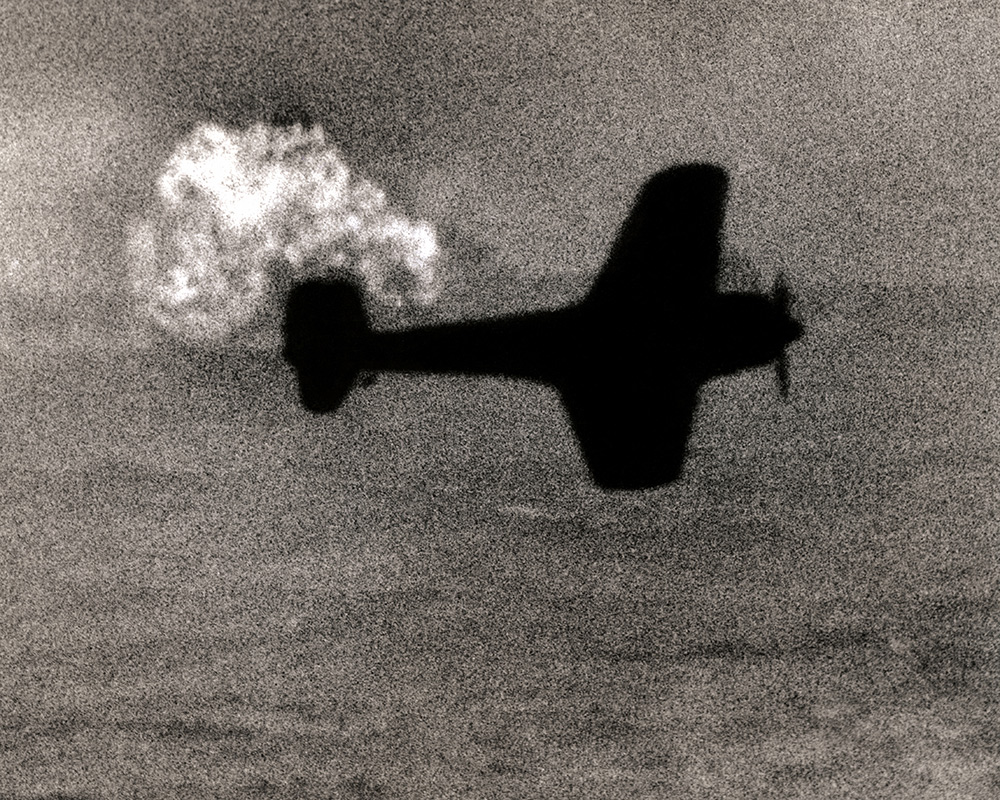
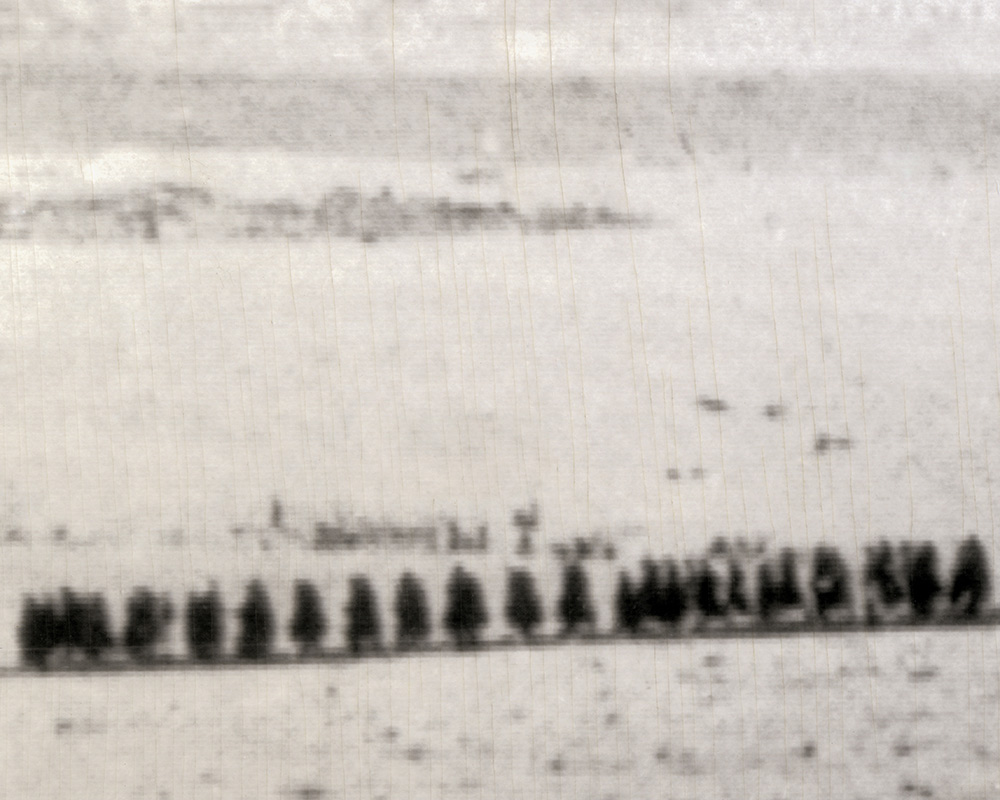
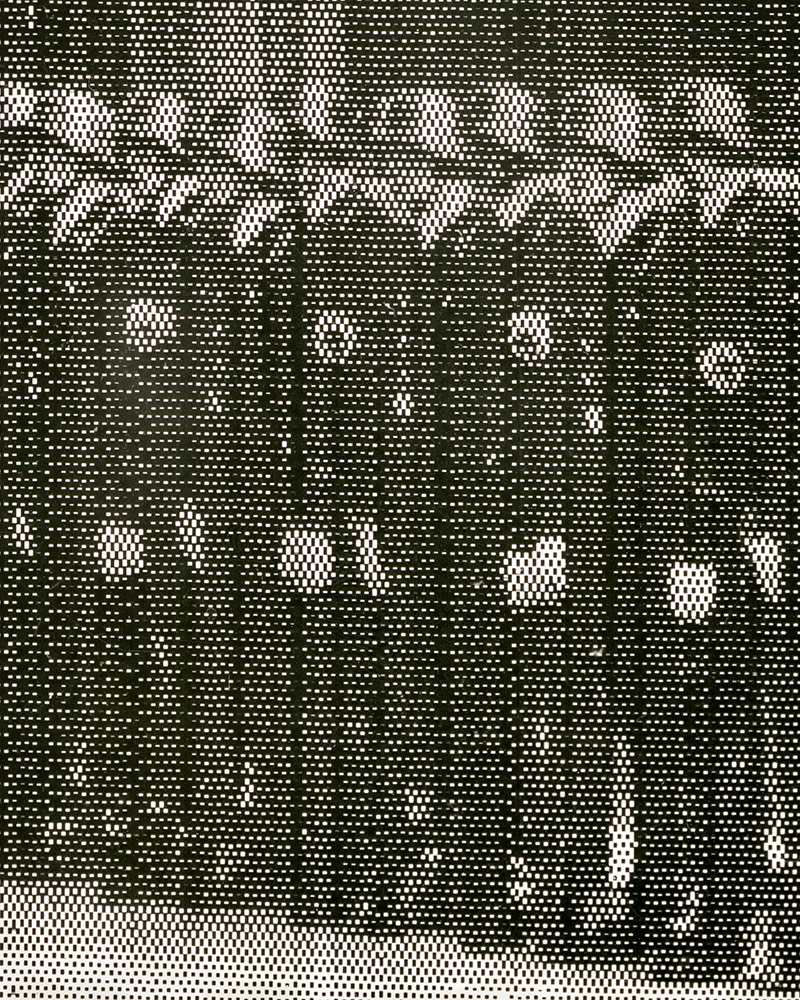
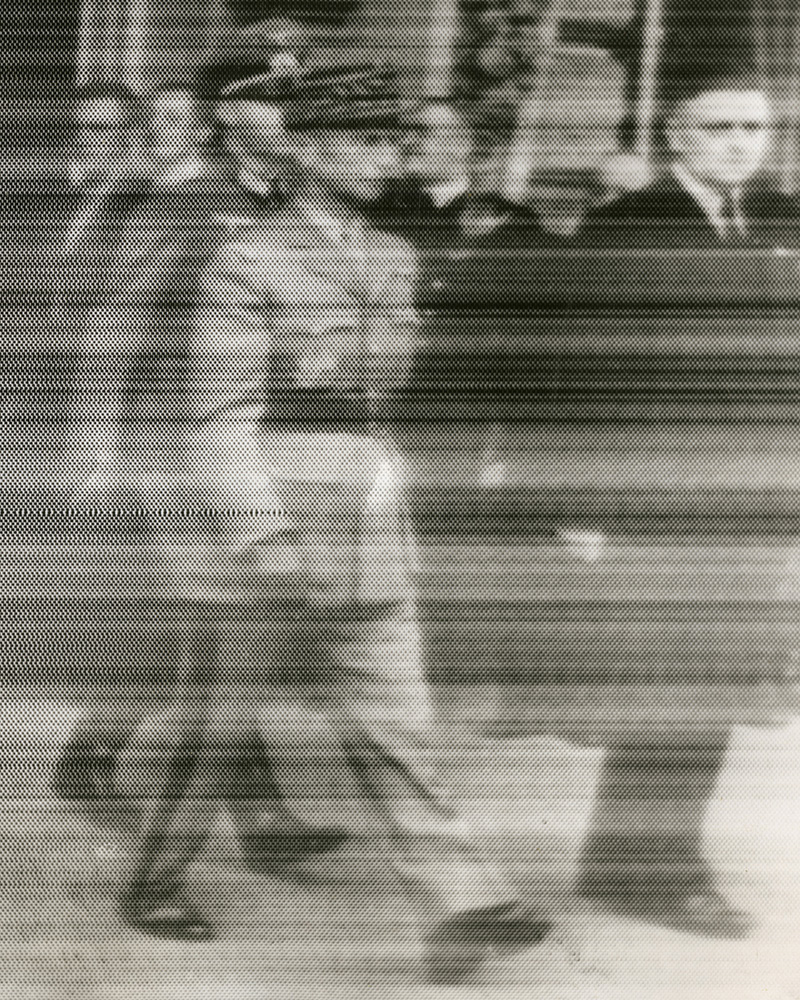
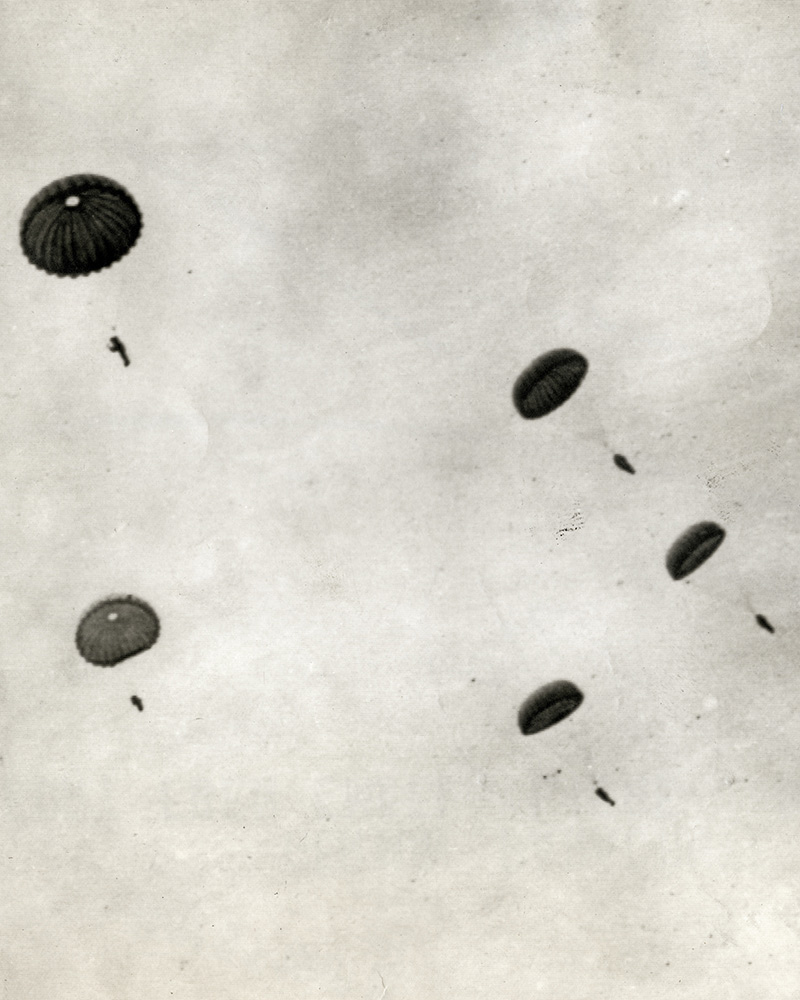
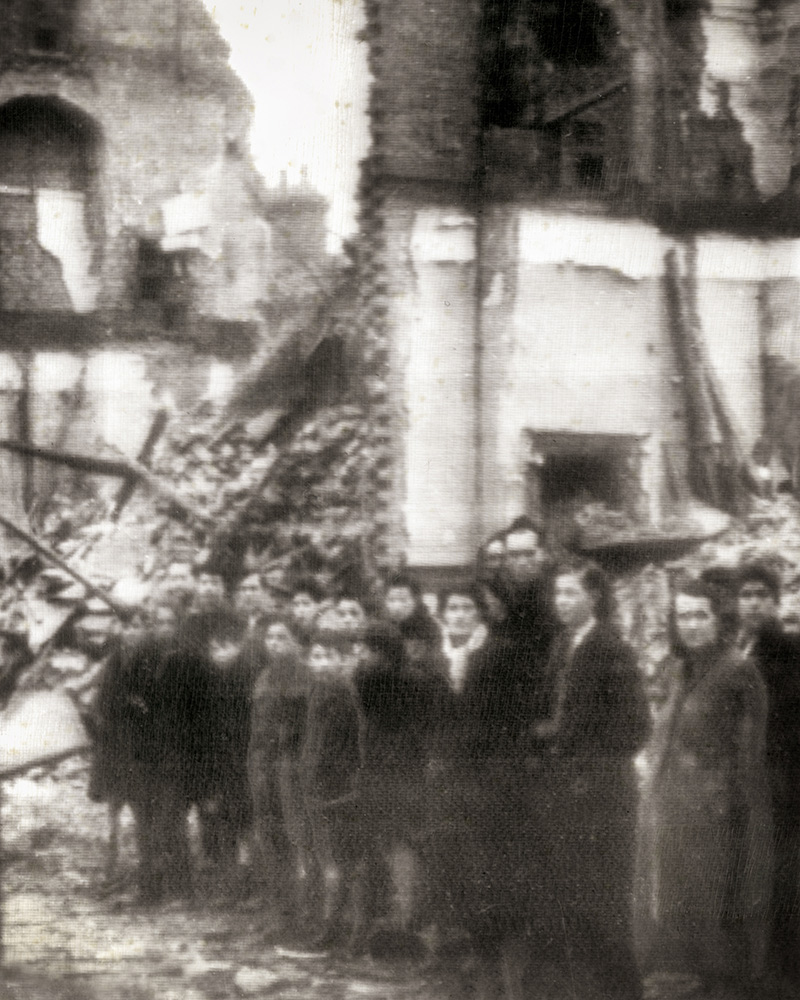
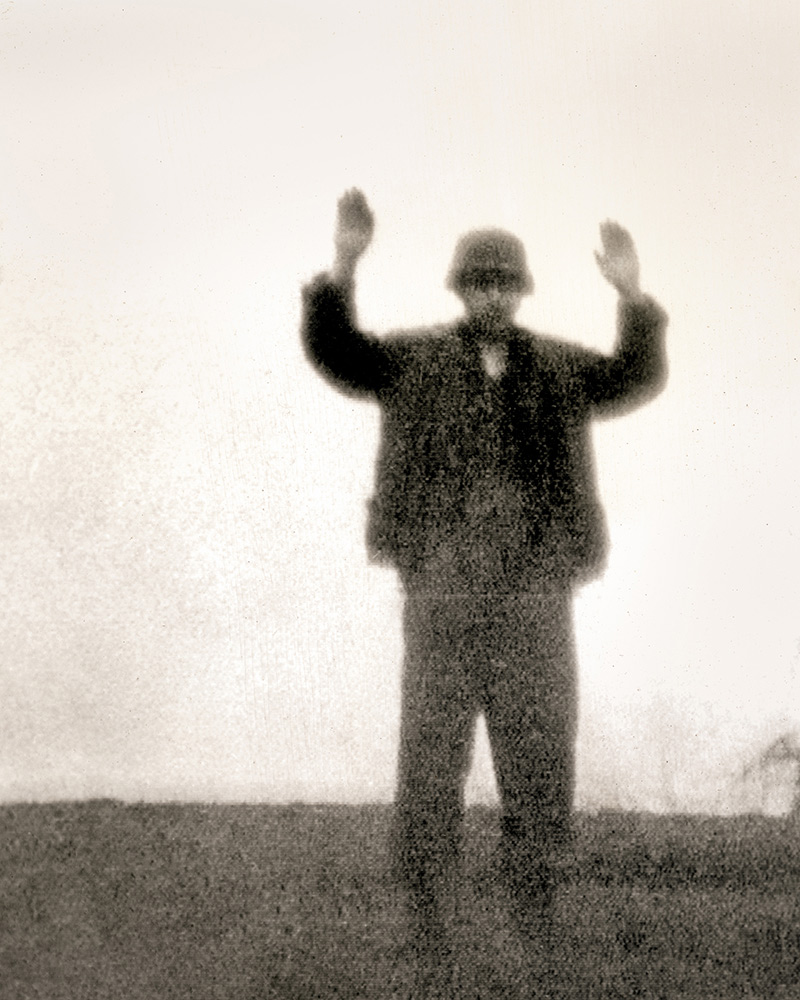
Images by David Pace and Stephen Wirtz/Schilt Publishing
Congratulations to friend of aCurator David Pace for his new book, a collaboration with gallerist/collector Stephen Wirtz, which is out this March. David Pace and Stephen Wirtz Images in Transition, Wirephotos 1938-1945 is published by the fabulous folks at Schilt Publishing (available in stores March, 2019, and for pre-order online for €50 / £45 / $55)
The two examined Wirtz' collection of wirephotos from World War II - images transmitted by radio. Pace says: "Together we re-cropped and re-edited the original prints to make new images that show the transmission defects and extensive retouching that was common at the time."
This is it! Look no further! The bumper book of Rob Hann's Best Road Trips is out now! The simple layout of this book lets the images shine. aCurator is Hann's biggest fan.
Invisible Britain is a platform that is working with underrepresented individuals and communities to amplify their voices and help enable them to to tell their stories via a diverse range of creative projects. The platform will also run workshops on the creative arts, a mentorship scheme and provide practical support and advice regarding creative opportunities, as well as offering paid work placements on film and television productions.
The book Invisible Britain: Portraits of Hope and Resilience (Paul Sng, Policy Press) reveals untold stories from people in the margins of British society, left out of the conversation and suffering at the hands of government policy.
Visit Invisible Britain for information on film screenings and book signings, beginning November 1st, 2018.
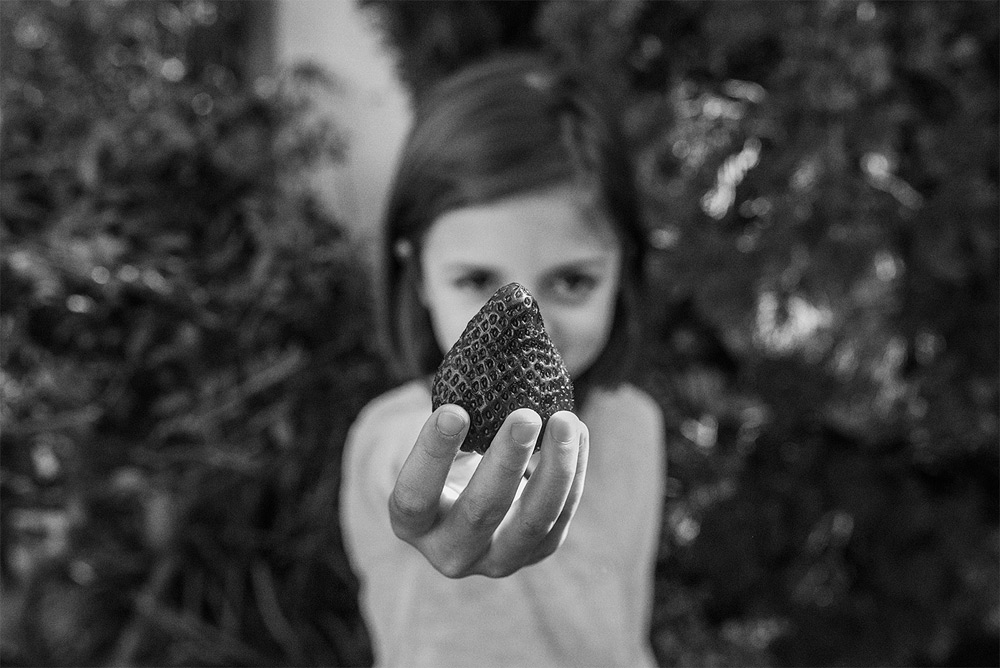
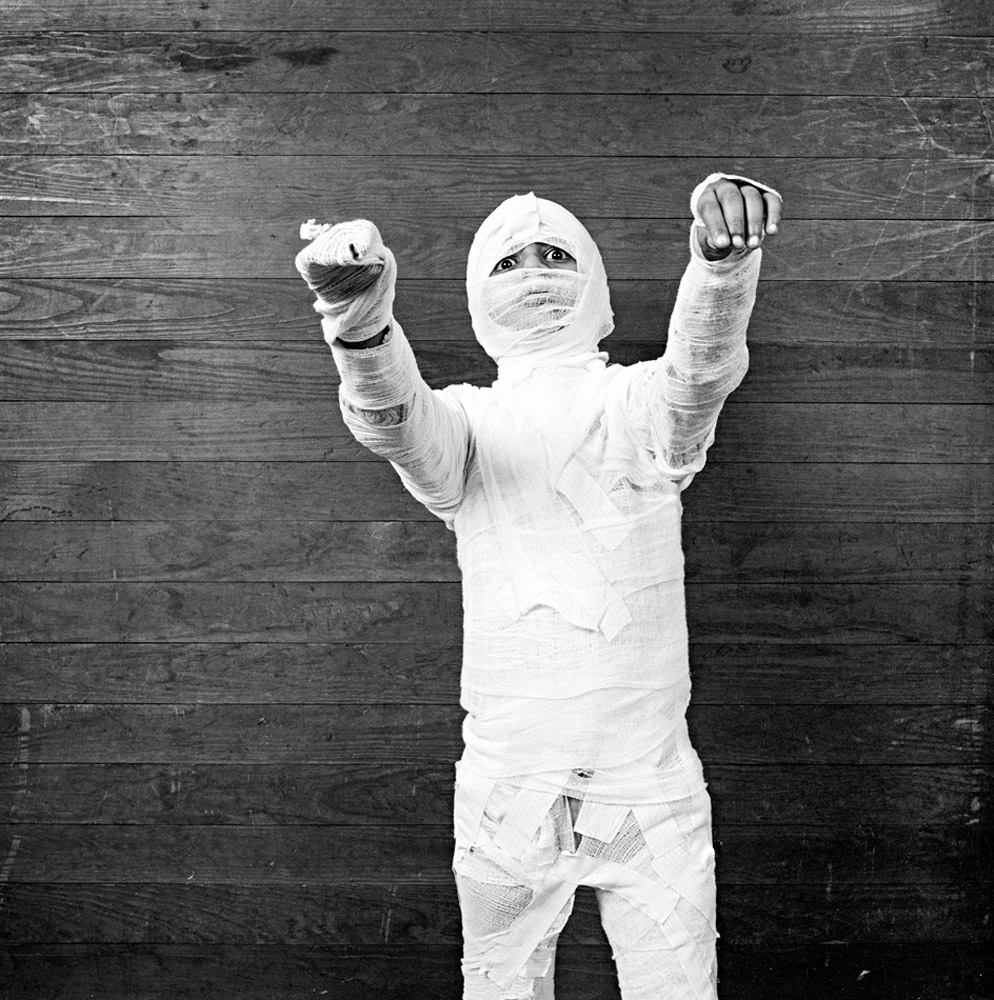
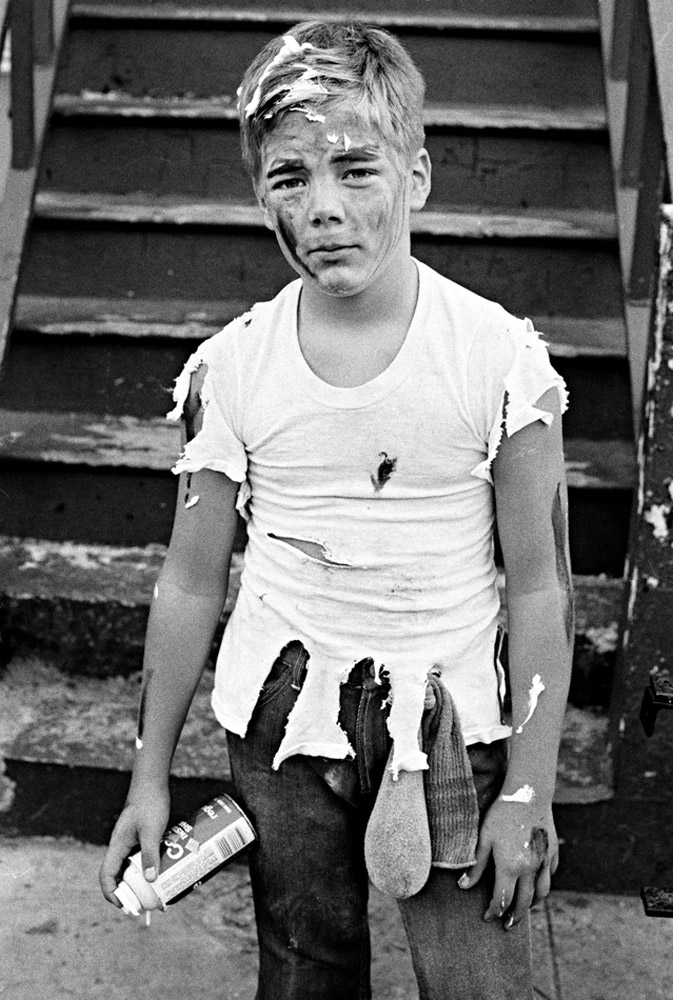
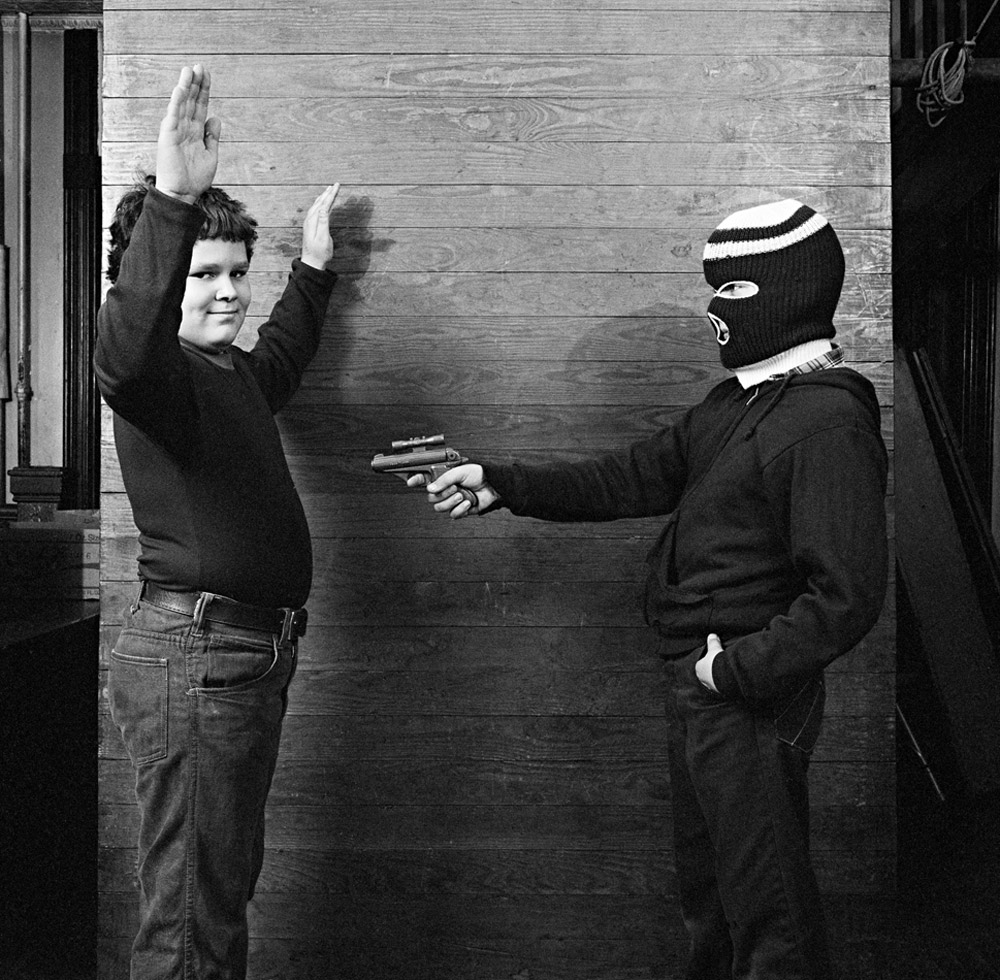
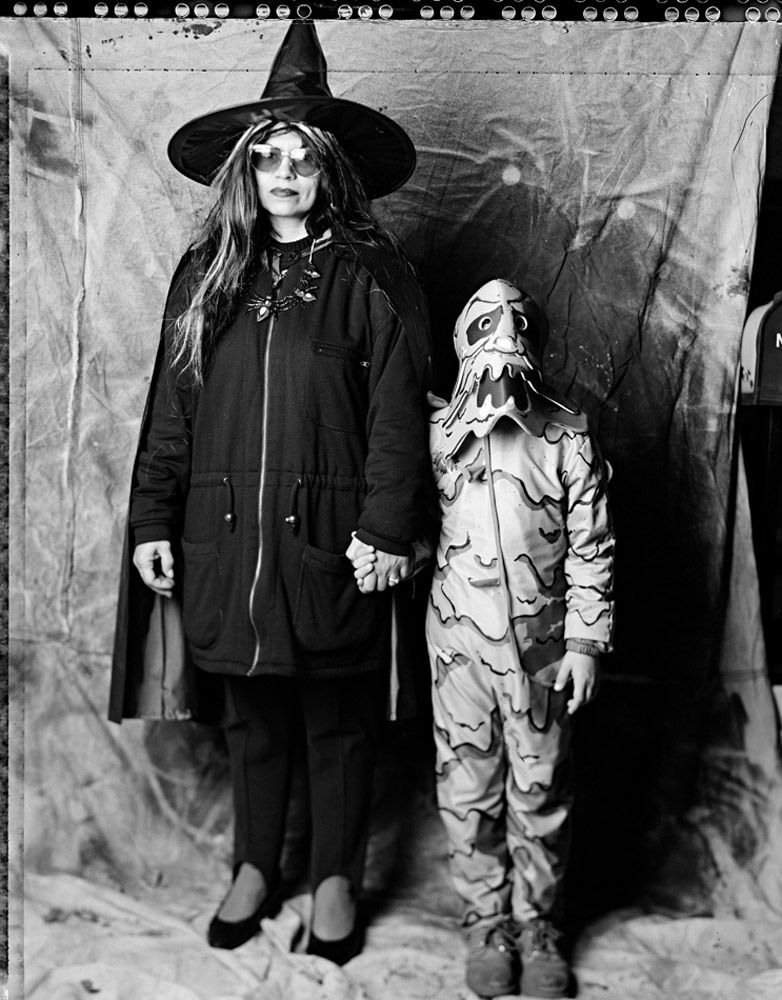
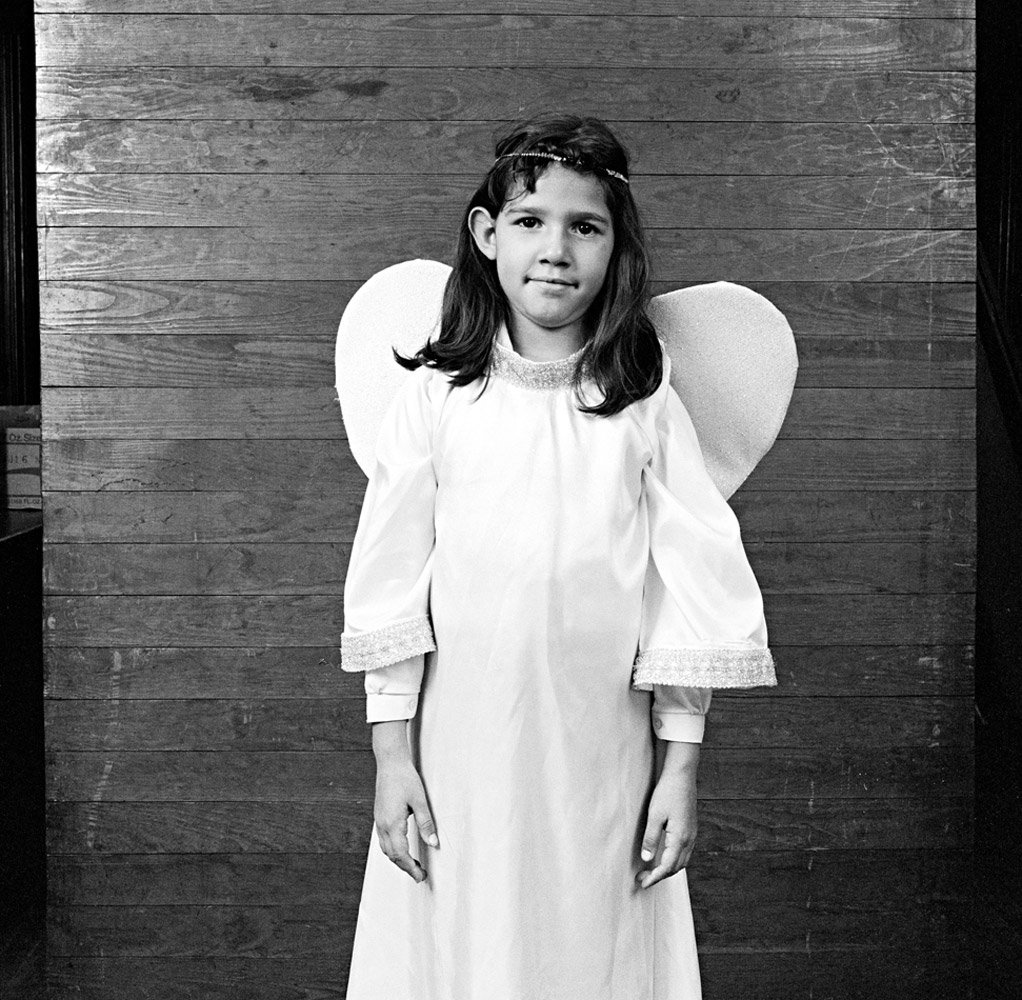
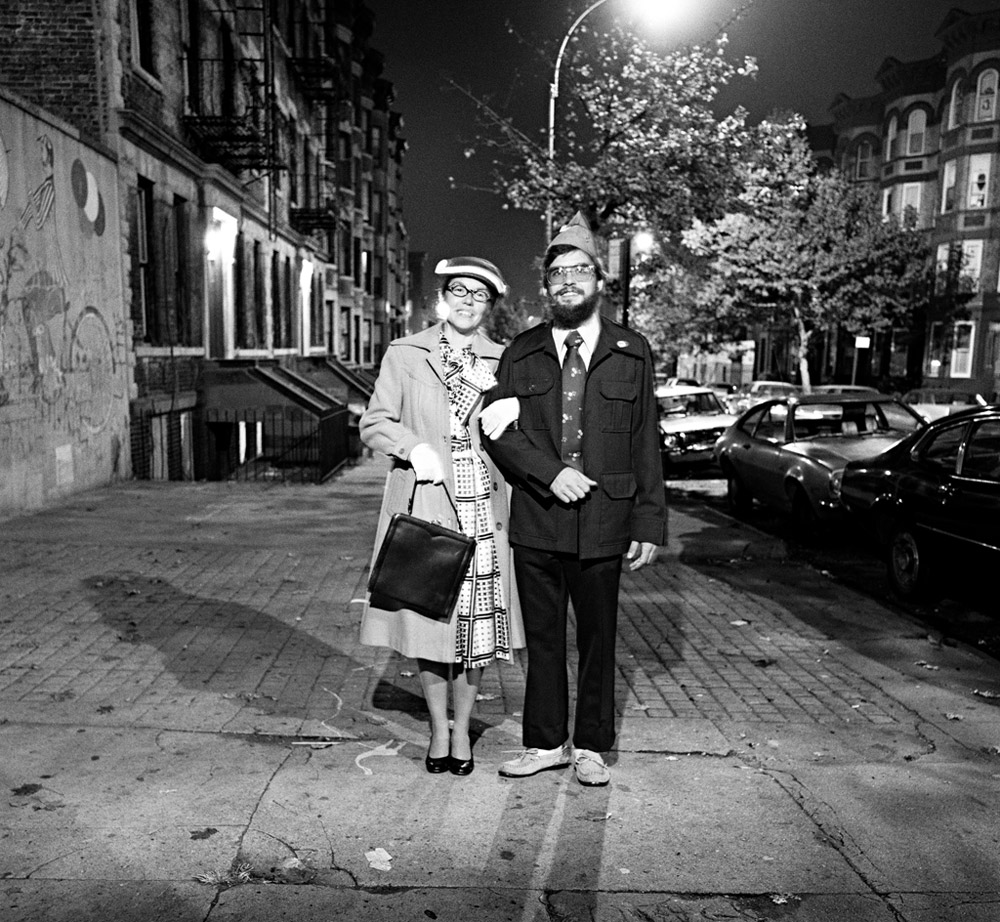
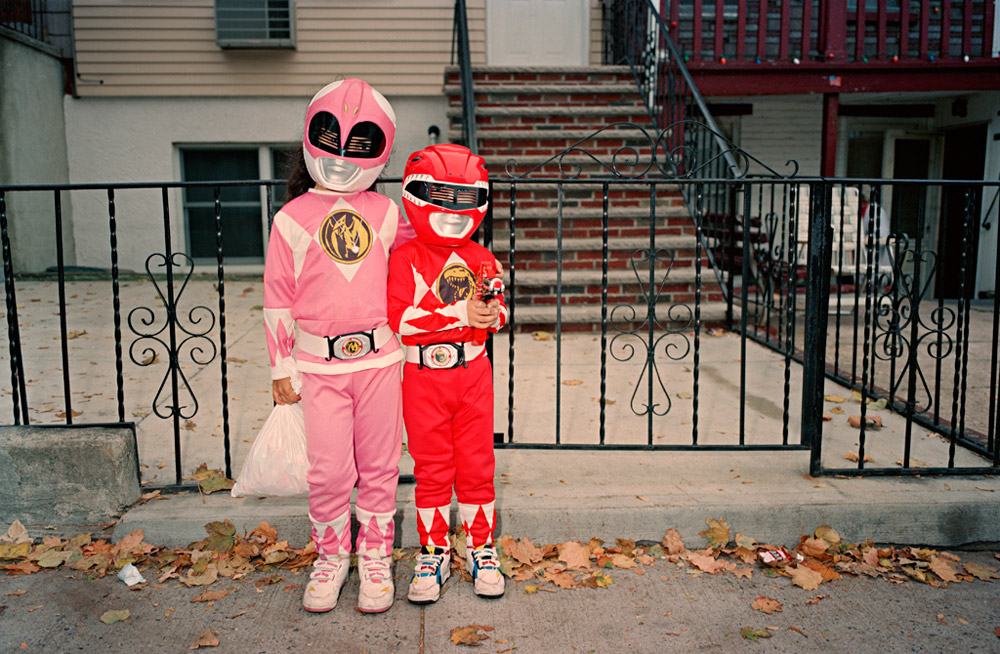
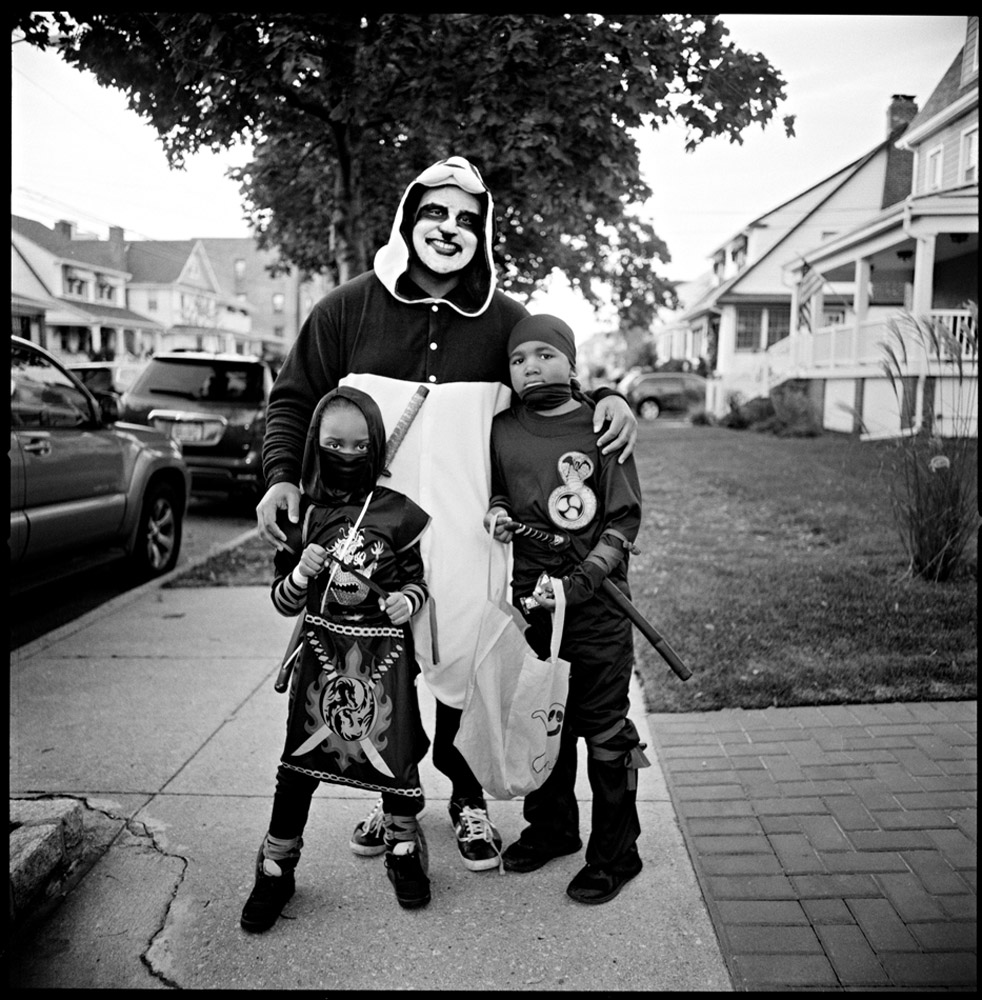
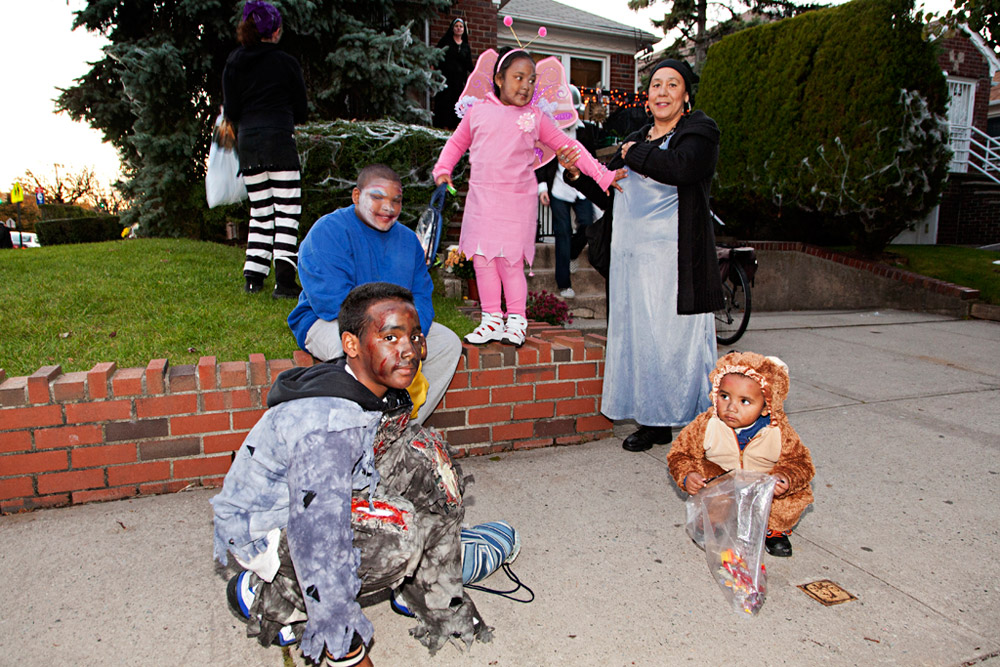
Us older British ex-pats grew up without Halloween and some of us have trouble relating to the madness that descends upon us each October. Larry Racioppo on the other hand, grew up in the thick of it.
"Growing up in South Brooklyn, I loved Halloween. My cousins and I didn't wear store-bought costumes, just a little face paint. We were more interested in fighting our friends with homemade chalk bags and throwing eggs than in 'trick or treating'. In 1974 I began photographing the kids in my neighborhood every Halloween."
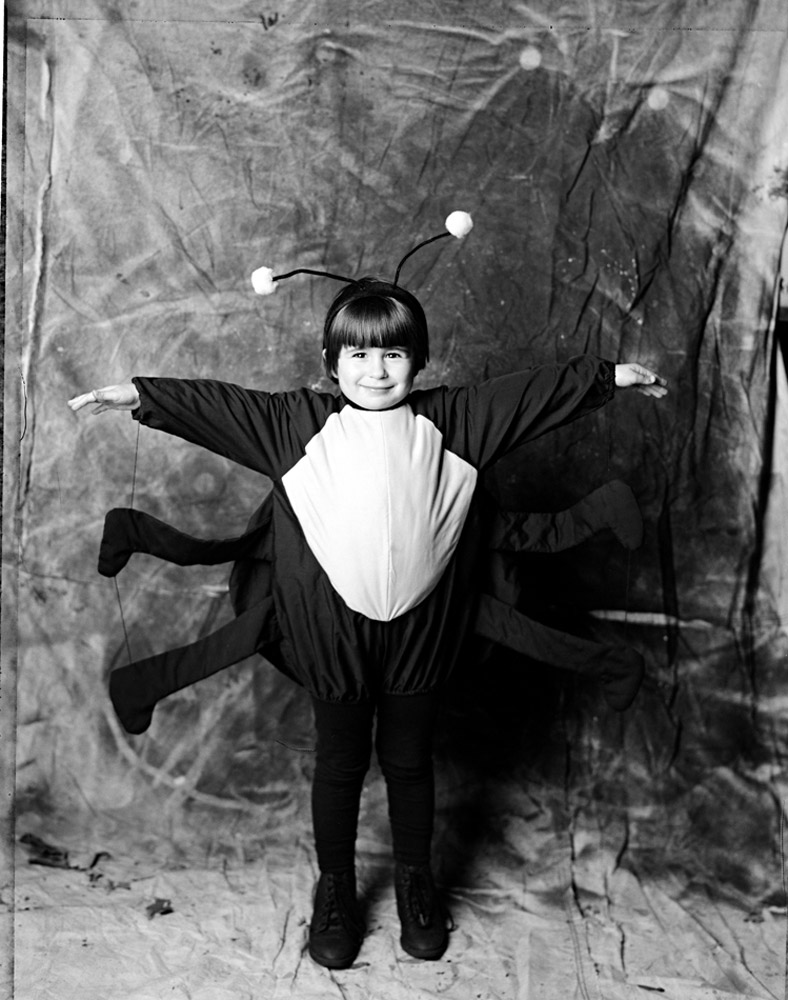
Girl in Bug Costume, 18th Street, Brooklyn, 1996
"The 11th Street Photo Gallery in the East Village exhibited some of my black and white Halloween prints in 1979. The Village Voice reproduced 8 of these images in its centerfold along with a story about the Greenwich Village Halloween Parade. Scribner's published HALLOWEEN, a book of these photographs, in 1980 and eventually the New York Public Library's Photography Collection purchased a portfolio of this work."
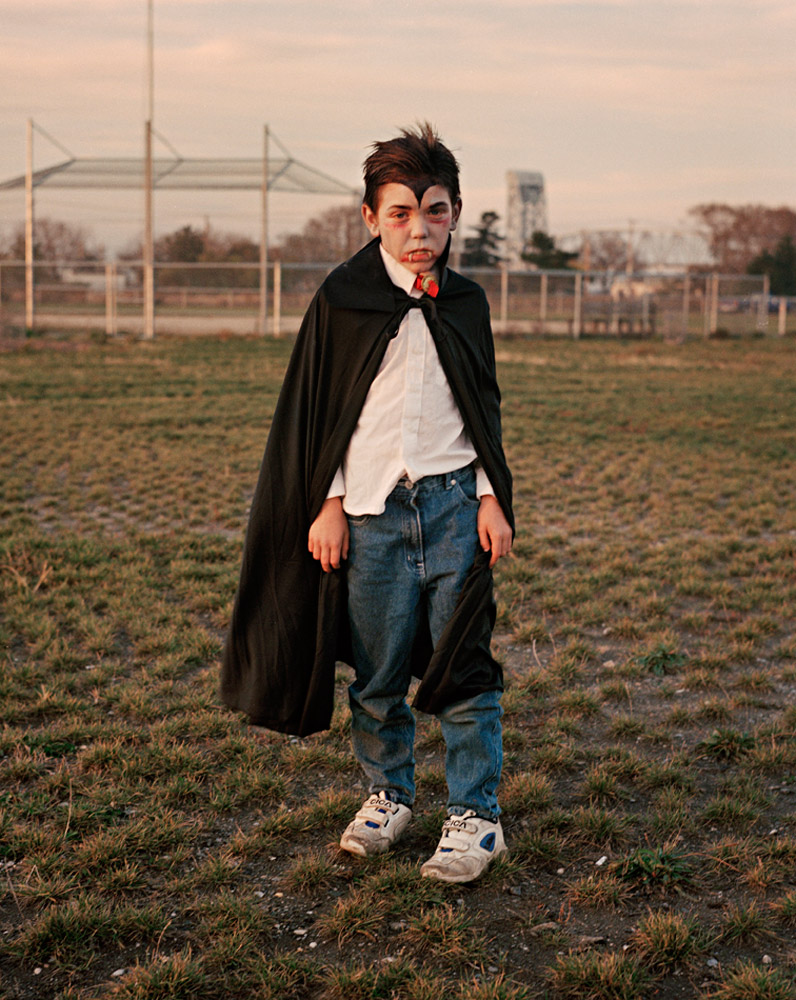
Dracula, Fort Tilden, Queens, 1997
"I continued photographing on Halloween with newer and better equipment. Using a Hasselblad camera and a strobe unit, I photographed at my local Catholic church in 1980 and at the Park Slope Food Coop in 1982. In the 1990's I returned to my old neighborhood with a 6x9 Fuji camera and shot with120mm color. When I moved to Rockaway Beach, Queens in 1991, I began photographing there on Halloween too."
Without question, one of the highlights of 2017 was Pete Souza's talk with Michael Shaw of Reading the Pictures, which was a special presentation brought to us by the exceptional folks at Photoville. Publisher Shaw and former White House photographer Souza met at St. Anne's Warehouse in Brooklyn before the start of Souza's national tour to promote his bestselling book, "Obama: An Intimate Portrait."
Above is the 2 minute excerpt but I strongly recommend a large glass of something and the whole 90 minutes, below.
aCurator was given the book on Christmas morning and cried till lunchtime. Here I am telling him.
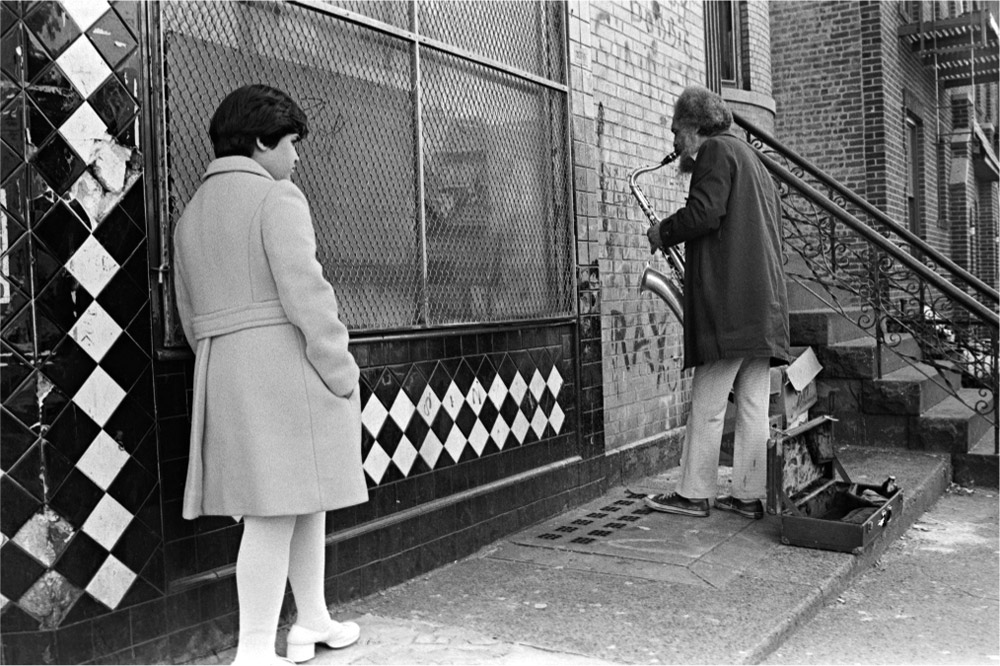
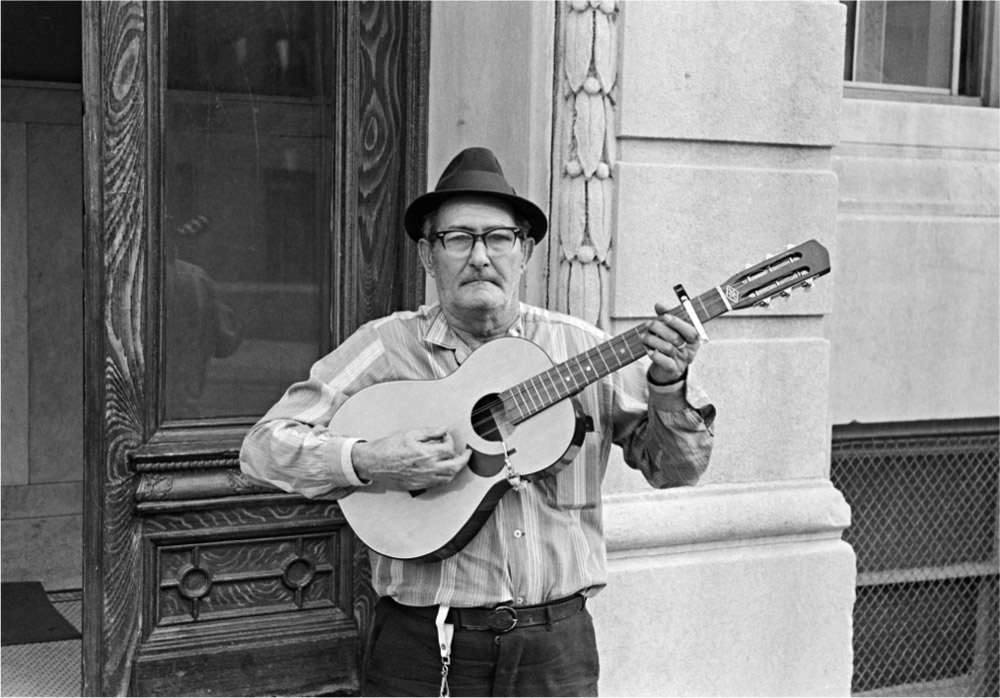
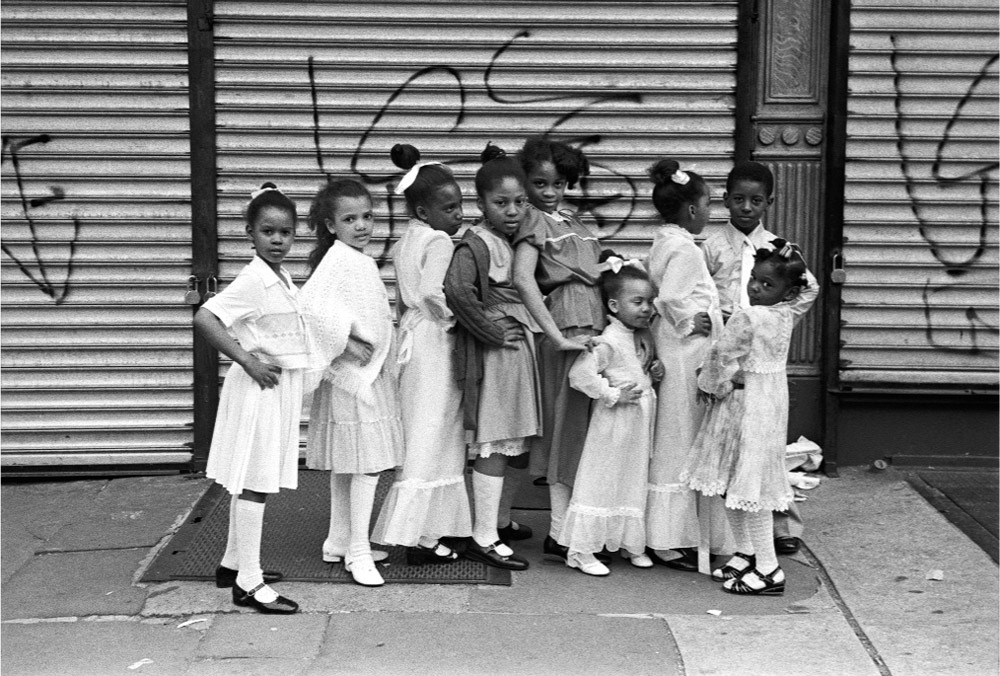
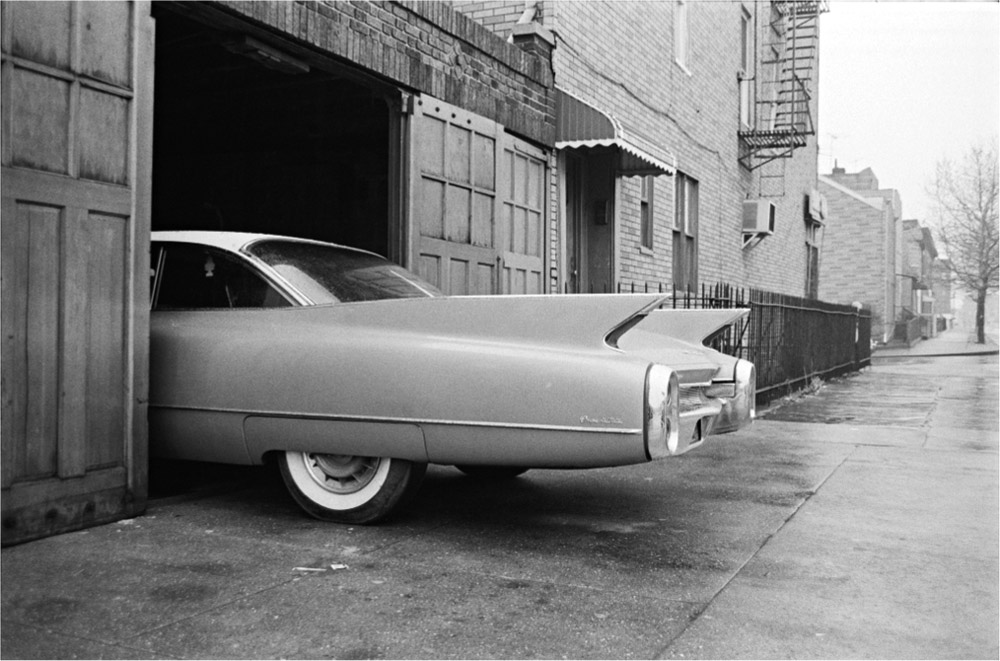
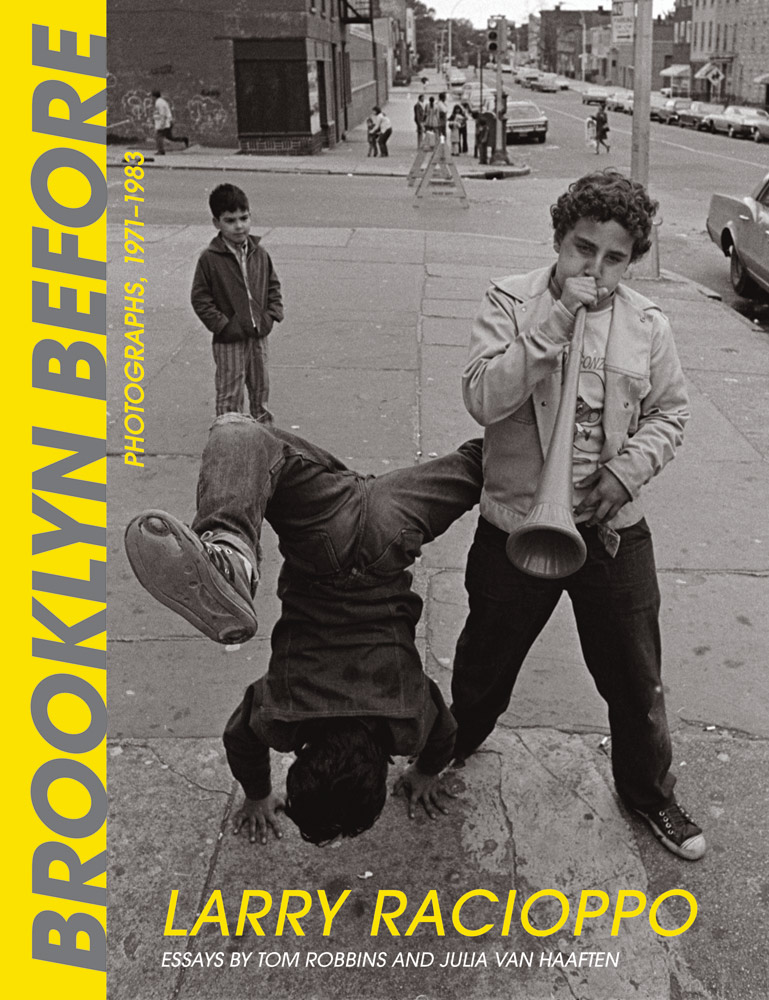
"Brooklyn Before: Photographs, 1971-1983" is a new book of photographs by Larry Racioppo, out now from Cornell University Press. The book is chock full of street scenes of Brooklyn, a couple of decades before the gentrification of large parts of the borough. Larry recorded the feelings and the fashion in his beloved neighborhood.
Guitarist, 40th Street, 1971
From the preface: "When I returned to Brooklyn in December 1970, after two years in California as a VISTA volunteer, I had no plans and a thrity-dollar camera I barely knew how to use. I was twenty-two years old and I wanted to become a photographer. I took a course at the School of Visual Arts, a job with the telephone company, and I began to photograph my family and friends in South Brooklyn."
Children on a Break from Pentecostal Church Services, 7th Avenue, 1979
I love this excerpt from Julia Van Haaften's essay: "Art photography was in full ascendency by 1980, when the critic John Russell asked Berenice Abbott, the rescuer of Atget's archive, about her professional practice a lifetime earlier. "Of course," she told him of her experience starting out from Man Ray's studio in 1925, "there were hardly any photographers in Paris then. It wasn't like today, when every other person is a photographer."
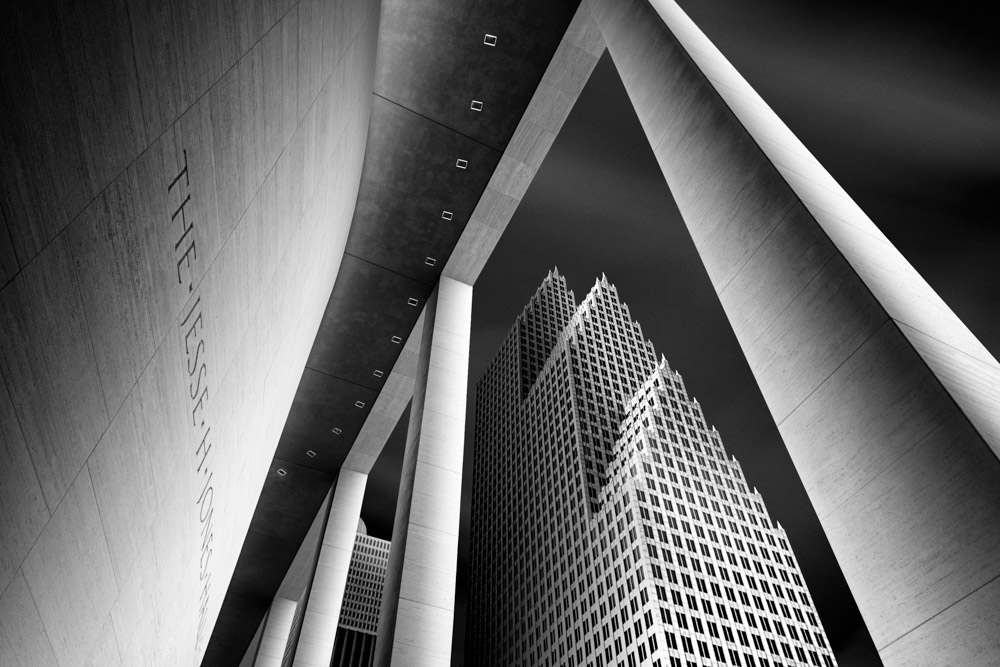
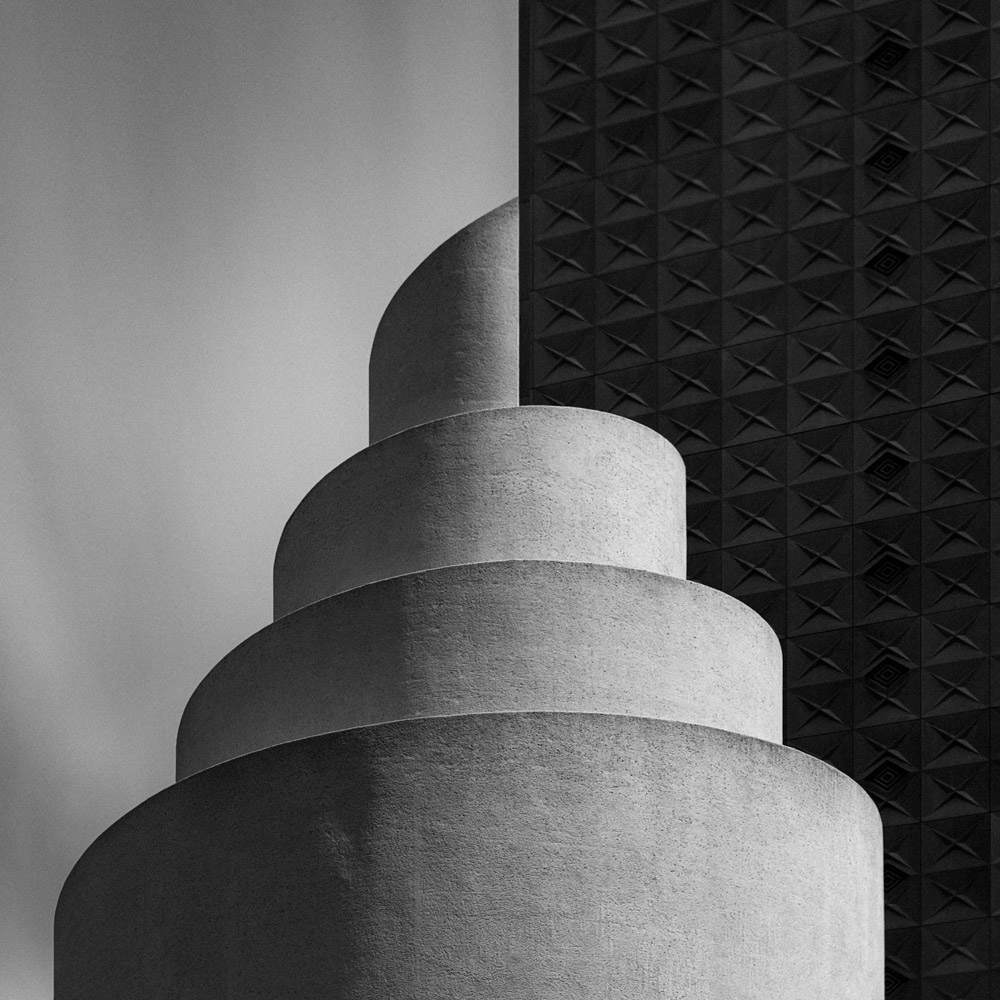
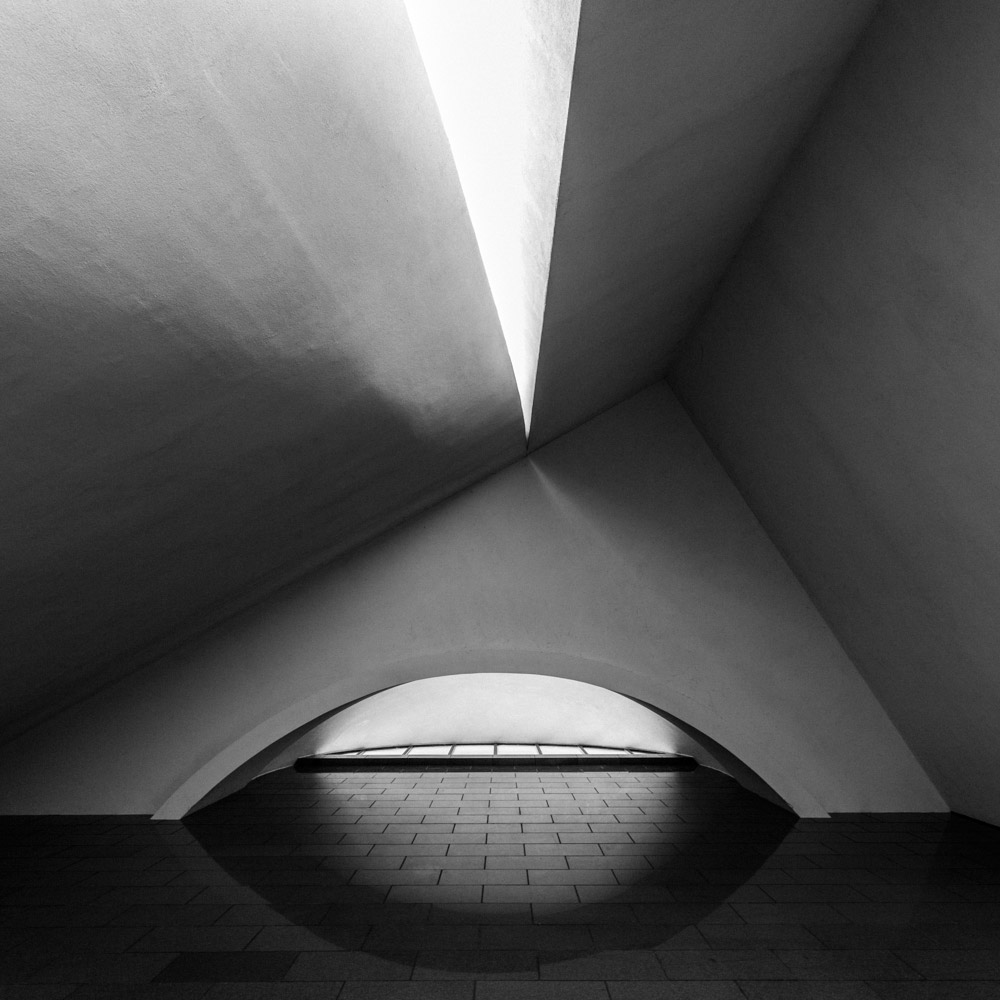
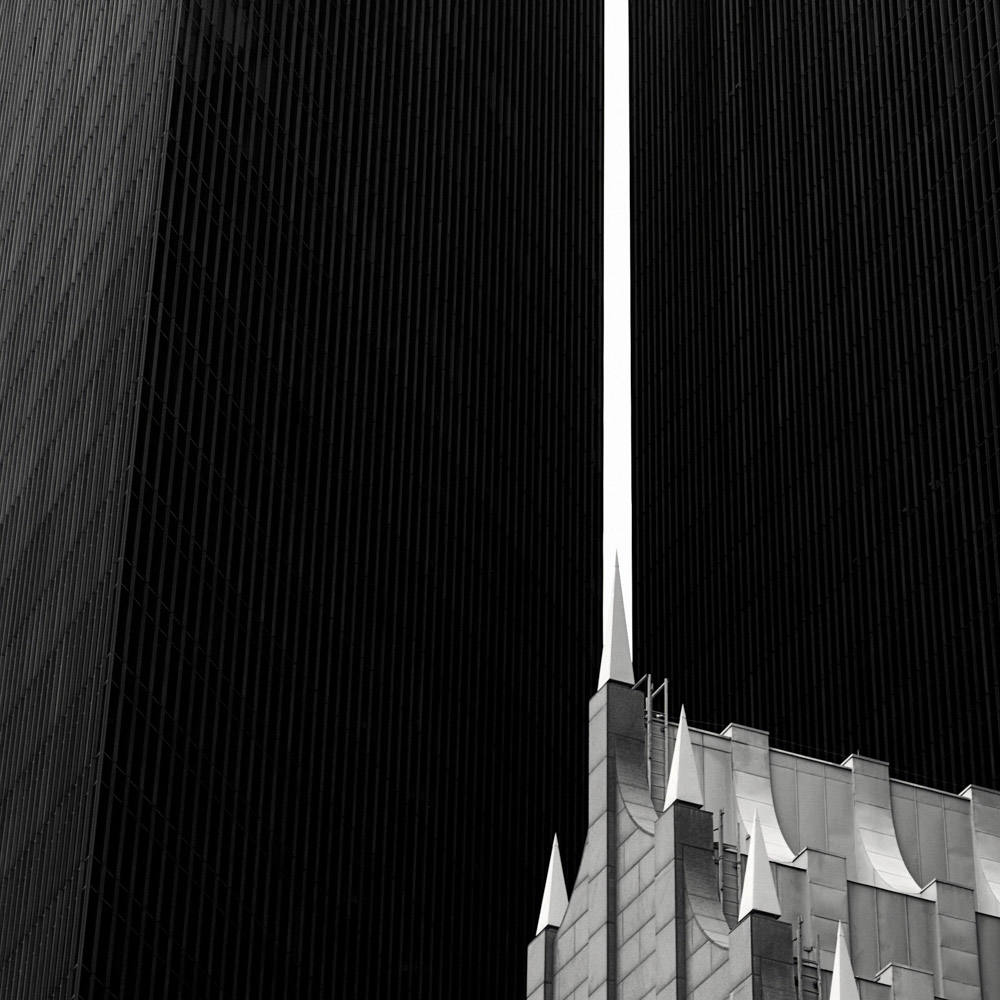
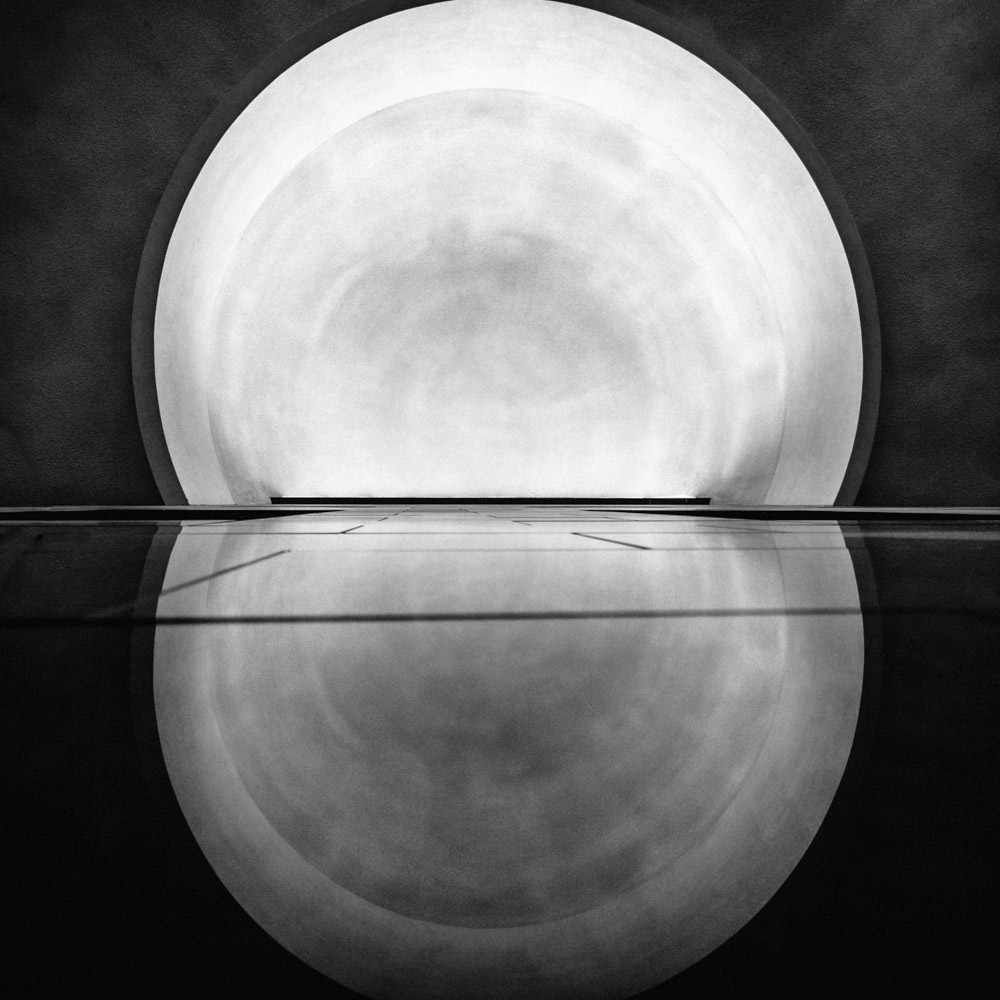
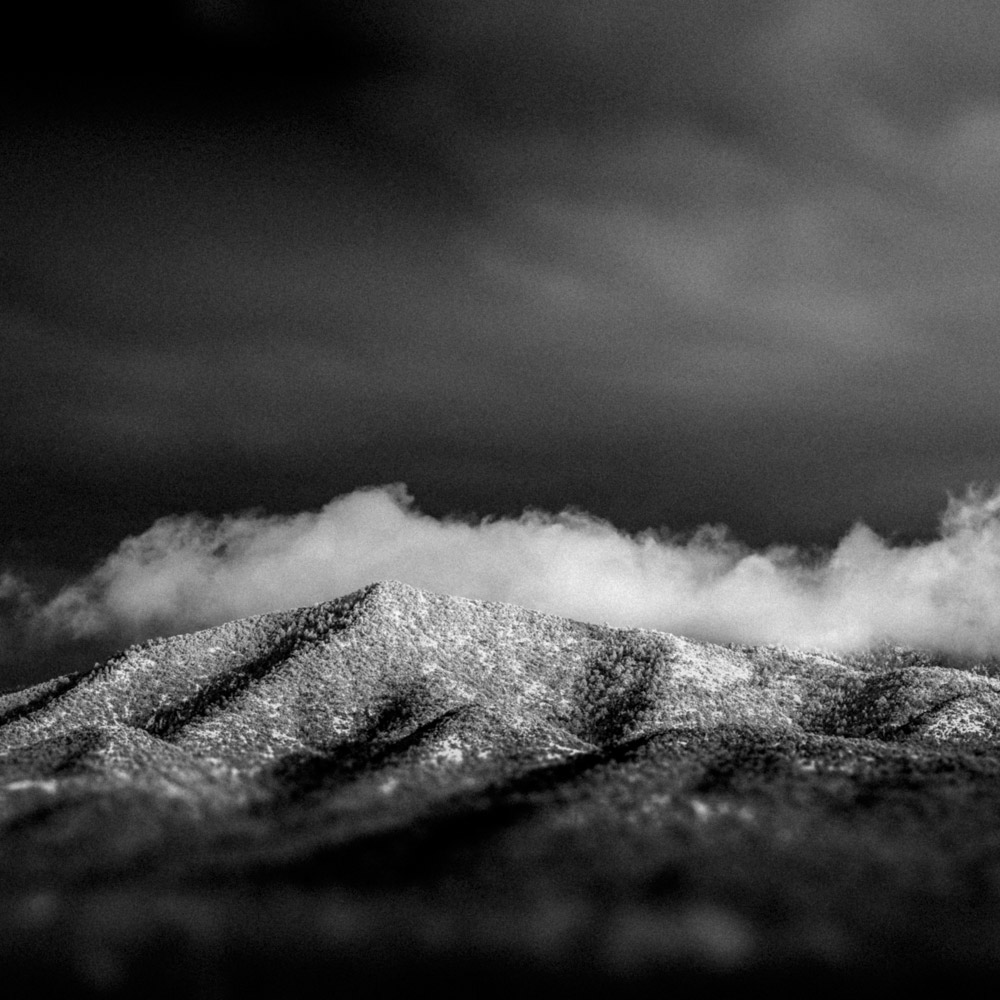
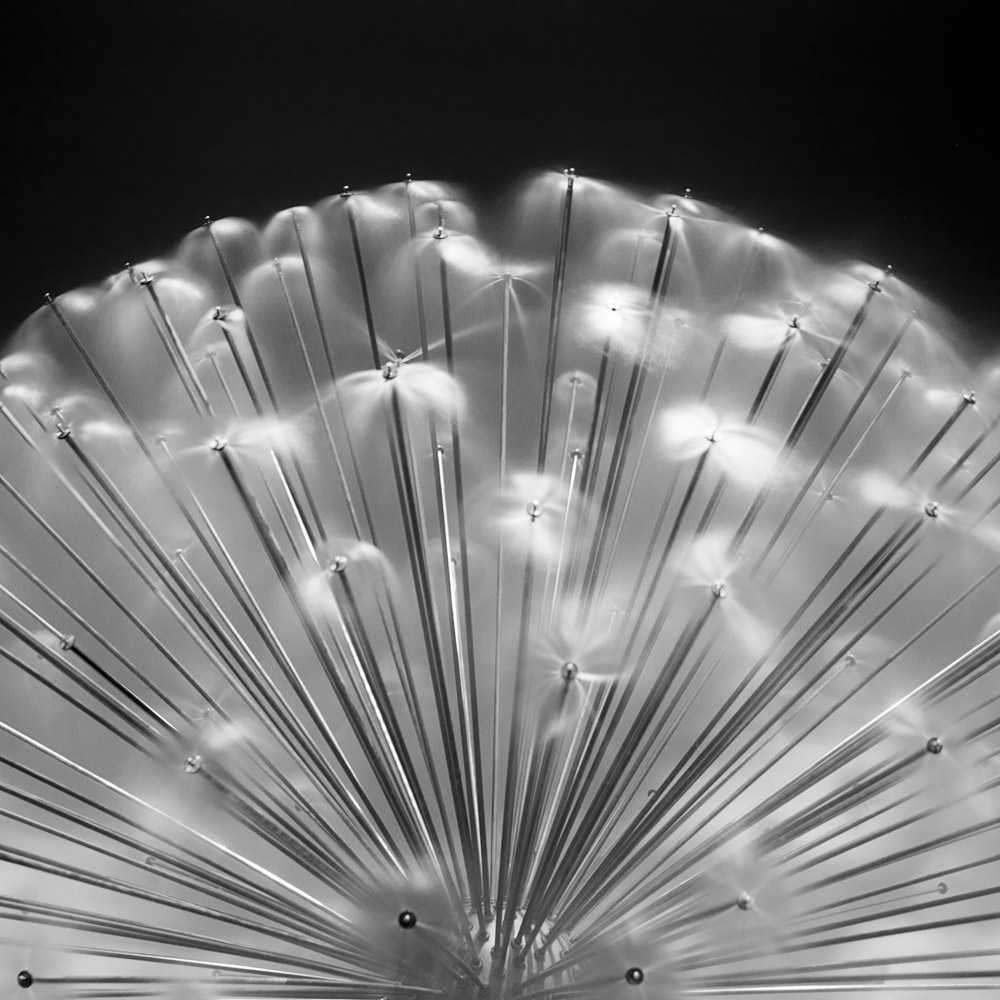
Floating my boat are many of the gorgeous images from Mabry Campbell which will be on exhibit, and for sale at reasonable prices, at Catherine Couturier Gallery, Houston, Texas, from September 8th - October 13th, 2018.
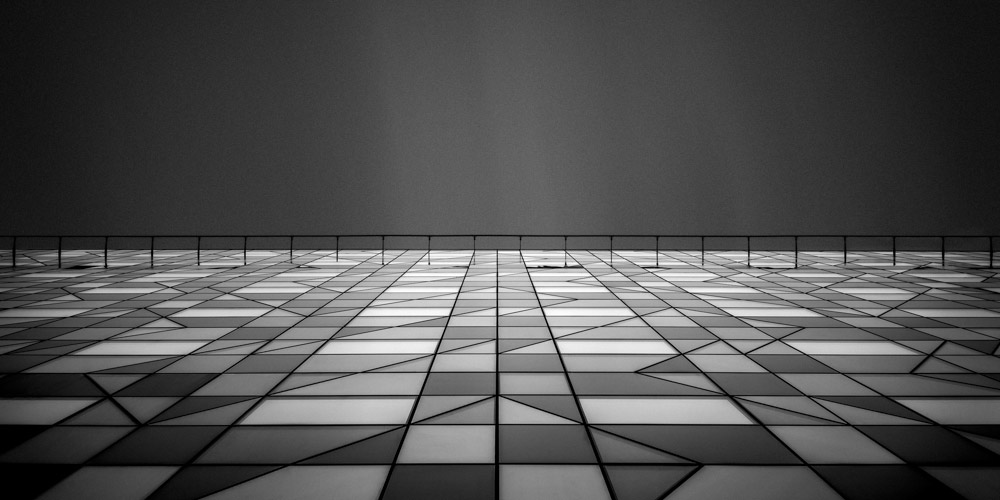
"Mabry Campbell is a fine art photographer from Houston, Texas who is internationally known for his fine art and architecture photography of iconic Houston landmarks and locations around the globe. He works primarily in black & white fused primarily with long exposures to create images of an altered reality shaped both by his vision and his desire to impress an initial moment of confusion upon the viewer. For Campbell, his goal is to amplify inherent qualities in forms to create images with suggested emotion and heightened visual presence - to make images that are removed from reality as far as possible without compromising the essence of the object matter."
Yum!
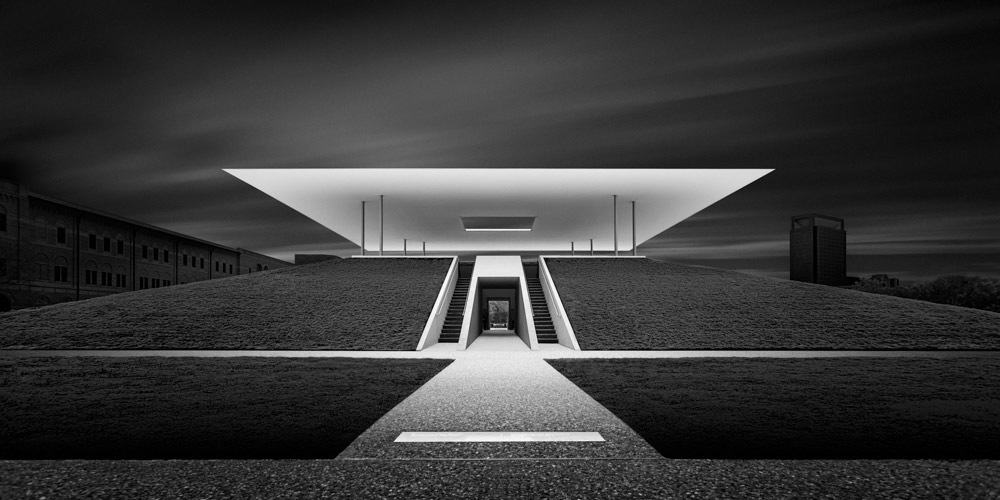
Honoring I - The Time Dynamic - James Turrell Houston, Texas, 2015
Enter Performing Arts, Houston, Texas, 2013
Chapel of Thanks-Giving No. 3, Dallas, Texas, 2017
Chapel of St. Basil No. 2, Houston, Texas, 2011
Between Two Towers, Houston, Texas, 2018
Chapel of St. Basil No. 6, Houston, Texas, 2011
The Atalaya, Santa Fe, New Mexico, 2015
Genesis V - Gus Wortham Memorial Fountain, Houston, Texas, 2015
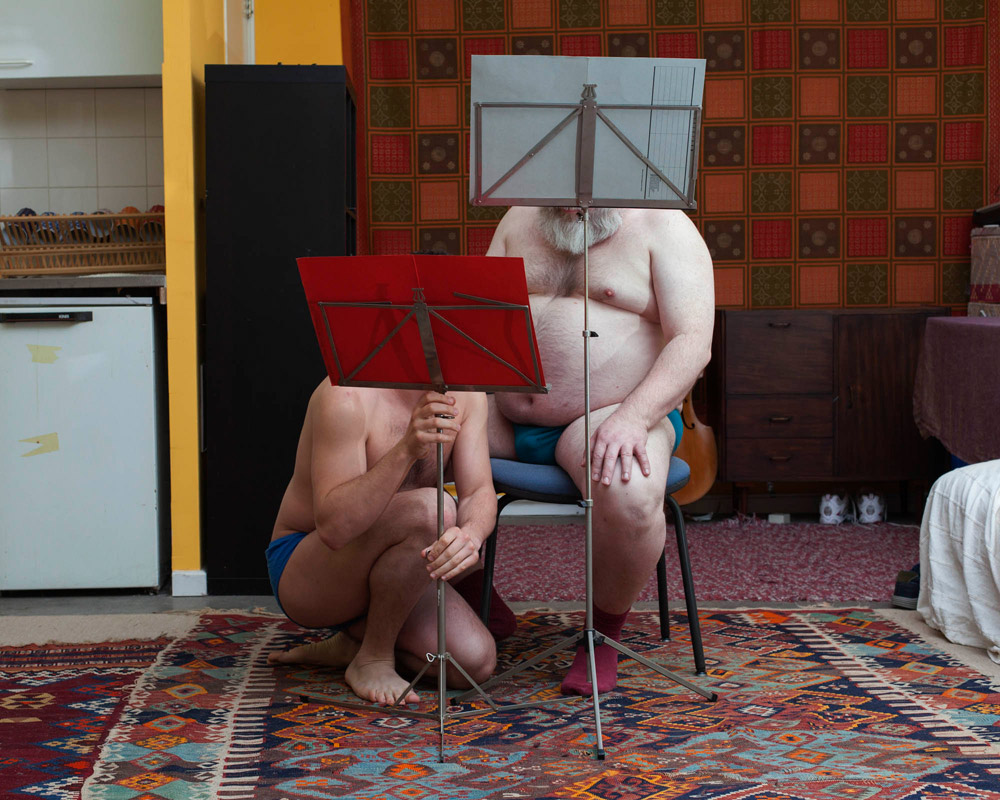
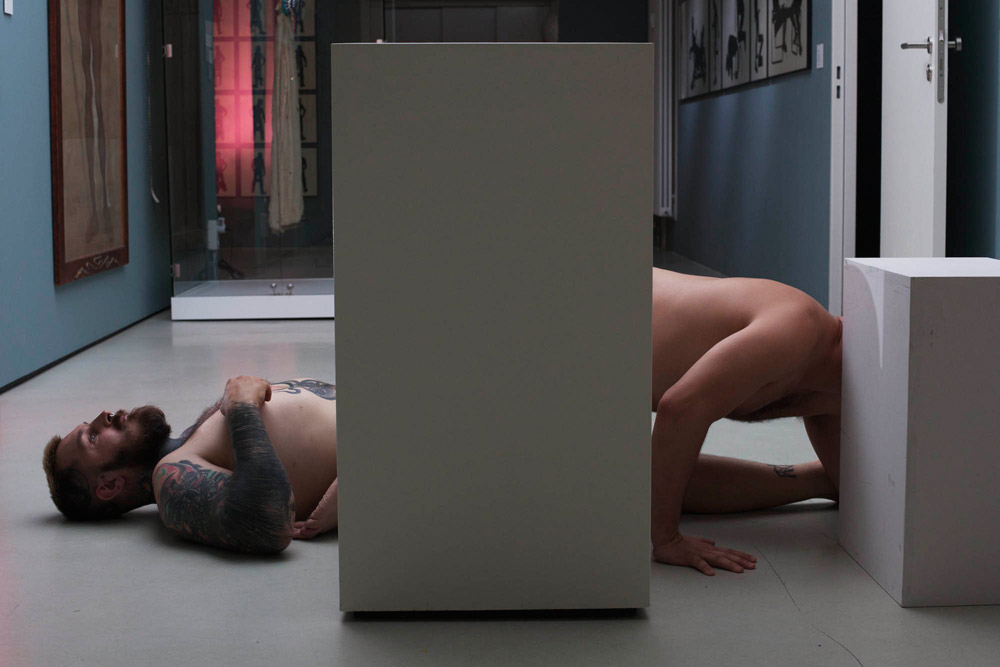
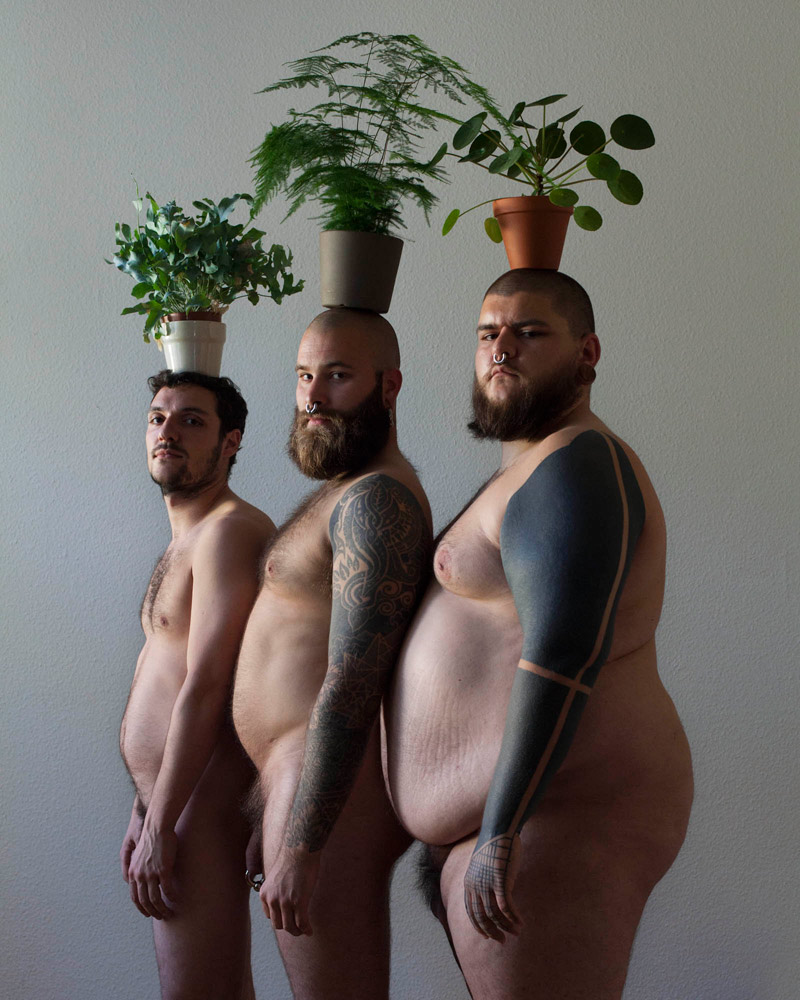
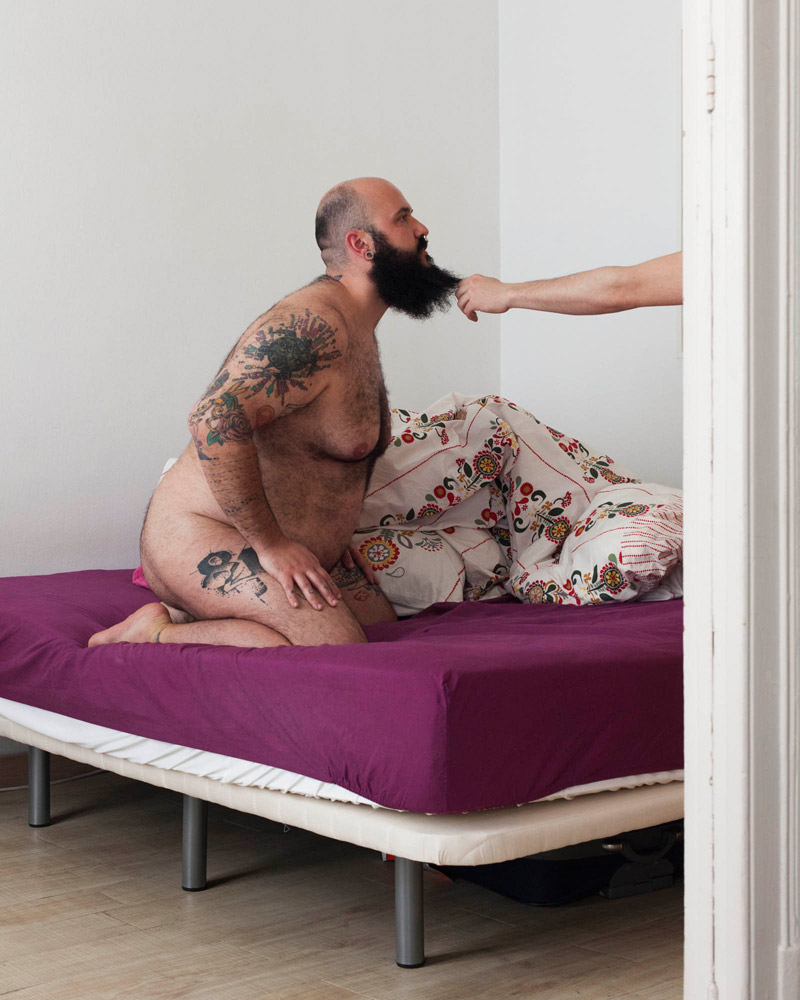
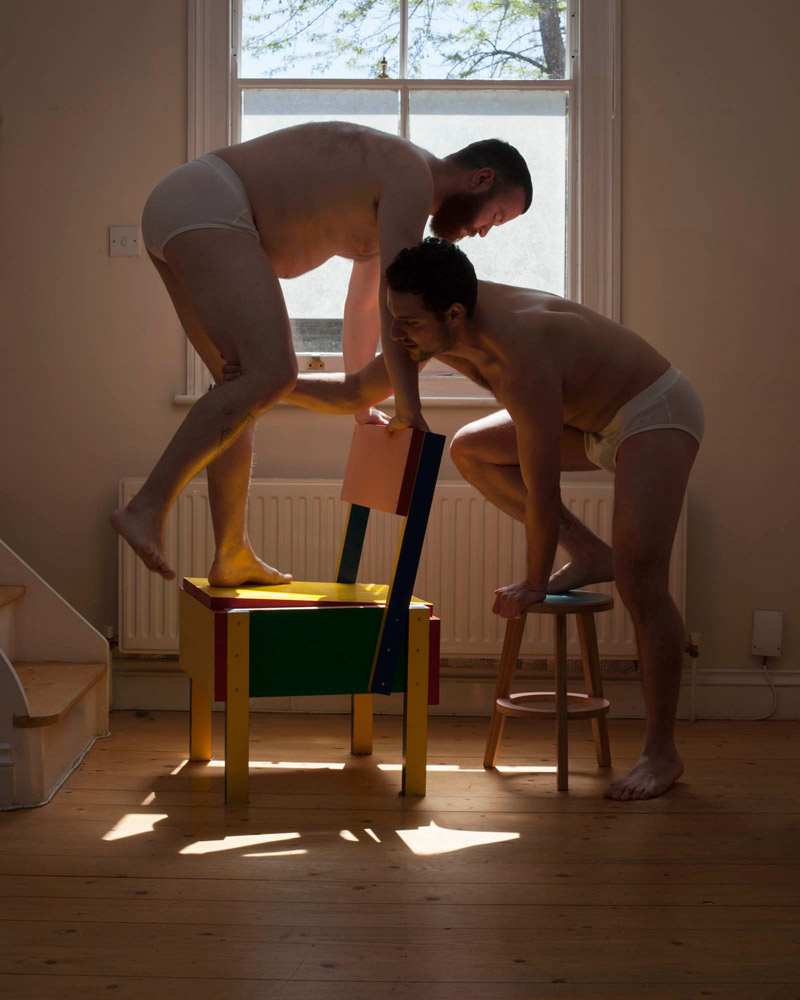
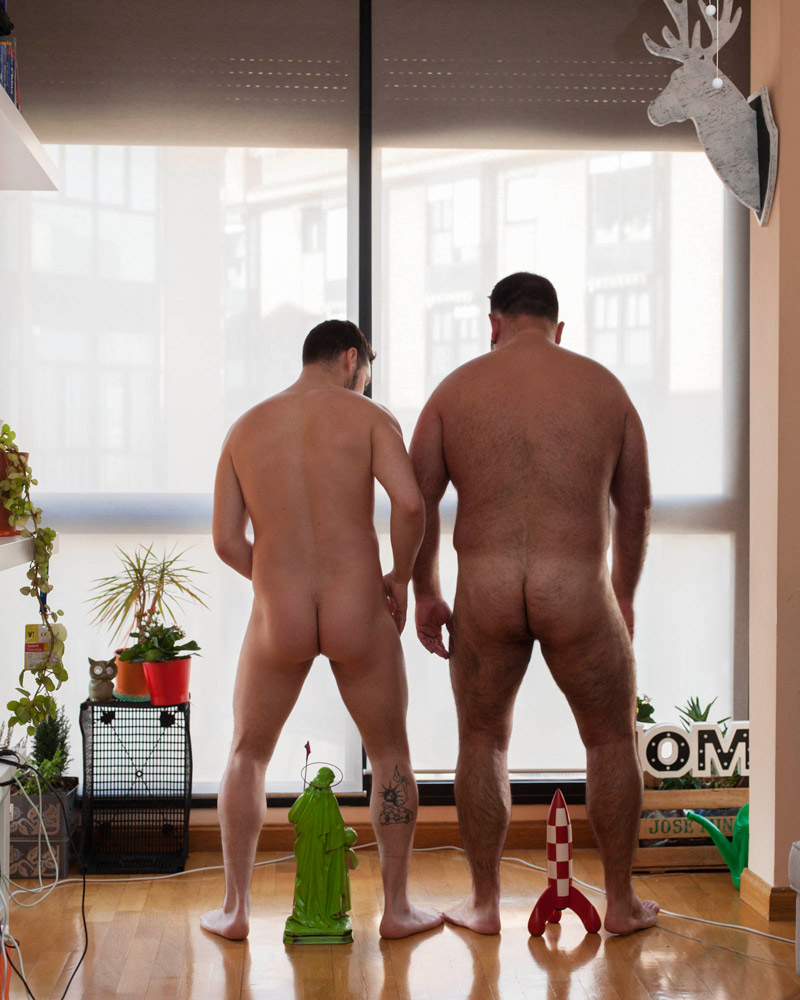
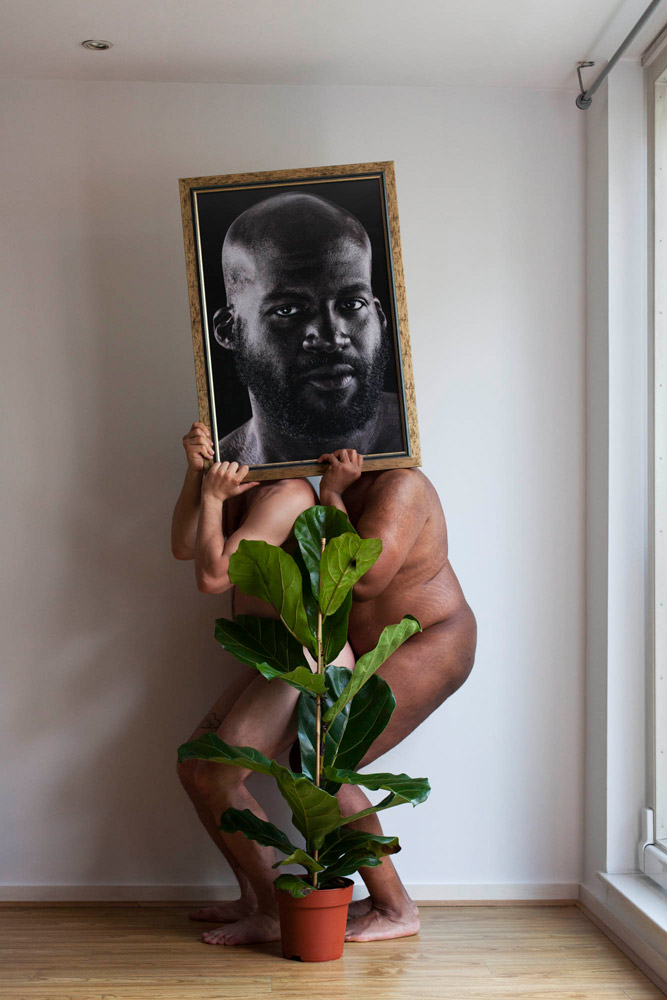
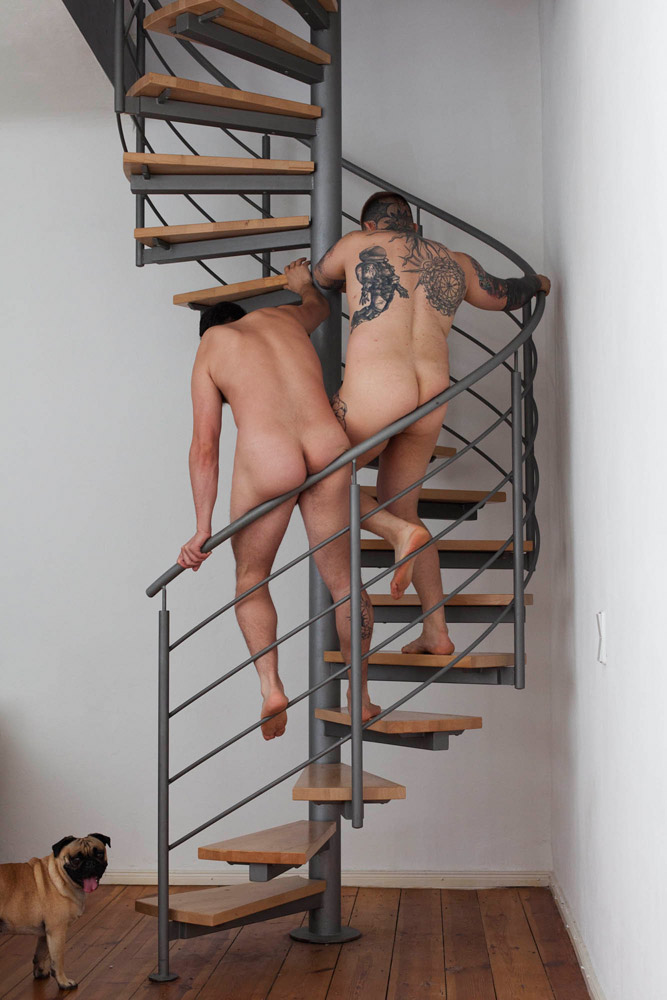
New from my favorite naked photographer and his chosen bears. Mickey Aloisio shot these during a couple of months in Europe earlier this year. It seems he's as comfortable getting naked abroad as at home! Read more about Mickey in an earlier blog post "Gay Wildlife".