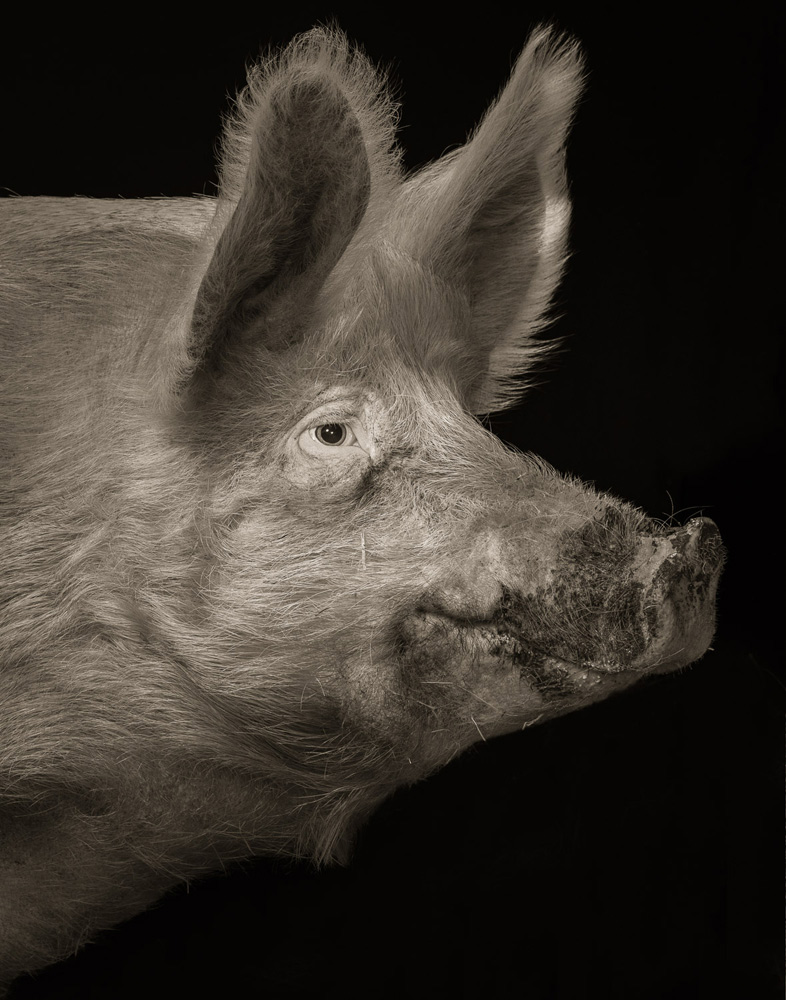
Kevin Horan's last feature in the magazine was his gorgeous and hugely popular series of goats and sheep. I am happy to publish some more of his barnyard friends, this time it's the pigs. As an almost-lifelong vegetarian, I wonder how you could eat these guys, but as Kevin says, "Of all the animals we eat, they're the only ones who will return the compliment."
"Farm animals are products. They produce fiber or eggs or milk or horse power. Pigs are grown for only one thing: meat.
Having moved to a place where my neighbors are barnyard animals, I am compelled to see them as individuals. Through portraiture, I can regard them as non-human persons. I can attempt to bridge the species divide. I can try to see what's going on inside the pig mind. Anyone who spends time around these animals knows they have particular personalities. Can the camera let us see them? Or are we seeing the illusion that's in all portraits?
Pigs are uncanny - clearly a different order of beast from other farm animals. They're so like us that they're used in medical education, and their heart parts and lungs can be transplanted into humans. They share many diseases with us. They prefer a clean place to eat and sleep, unsoiled by feces and filth. They like to watch TV and drink beer, and given the opportunity, they grow fat and sedentary. Of all the animals we eat, they're the only ones who will return the compliment.
And they're clever. They can figure out gates and latches and switches, and human relationships. They're self-sufficient. They're on the job. They're watching, and they know how to get what they need."
"Dogs look up to you; cats look down on you," Winston Churchill observed. "Give me a pig - he looks you in the eye and treats you as an equal."
Thanks to Kevin for his writings.
#GoVeg!
Scenes from a Childhood, the debut book by photographer
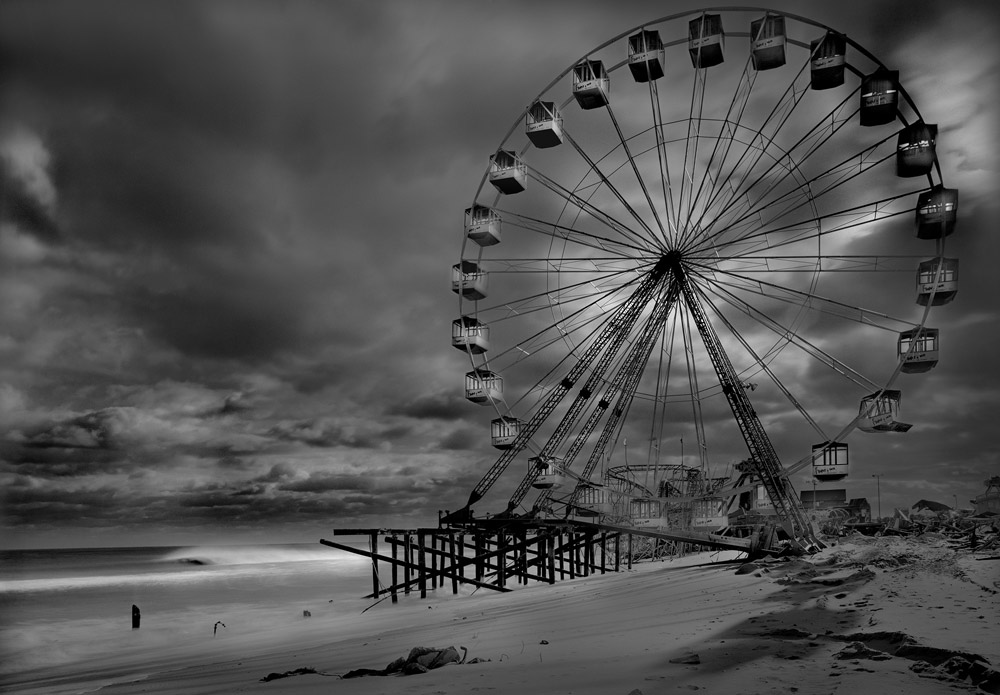
Michael Massaia, is a collection of images revealing symbols of childhood joy and adventure through the nostalgic longing of adulthood. Massaia's captivatingly beautiful photographs are whimsical while edifying subjects that are disappearing from childhood today.
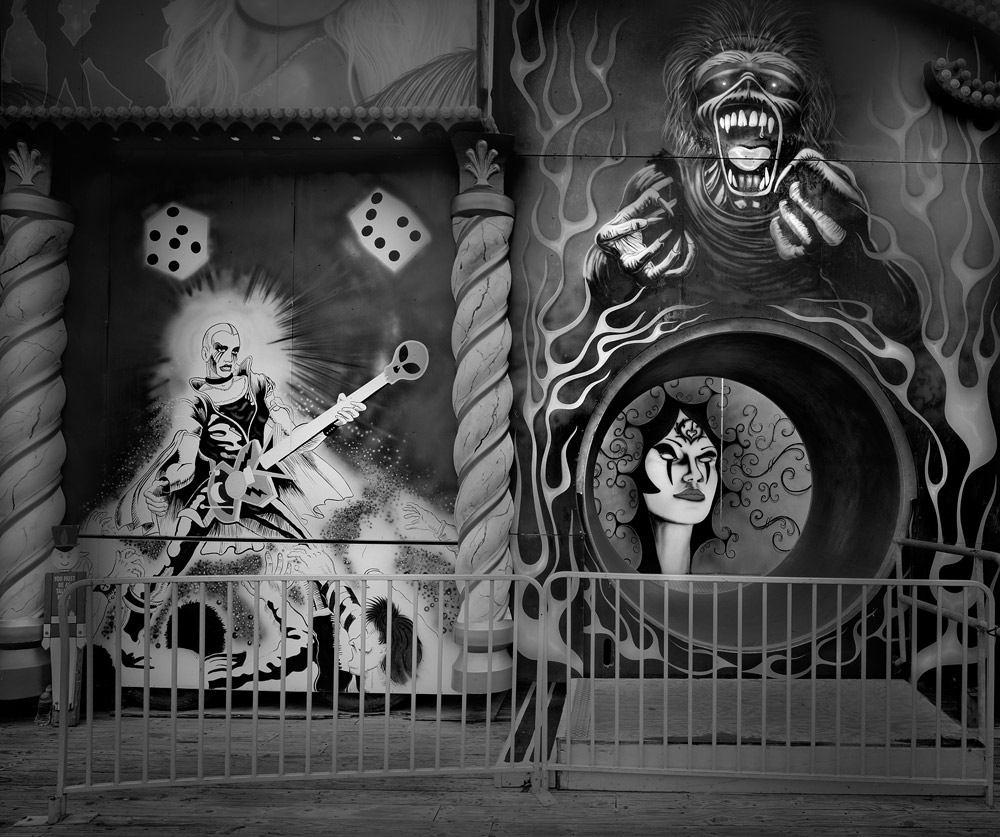
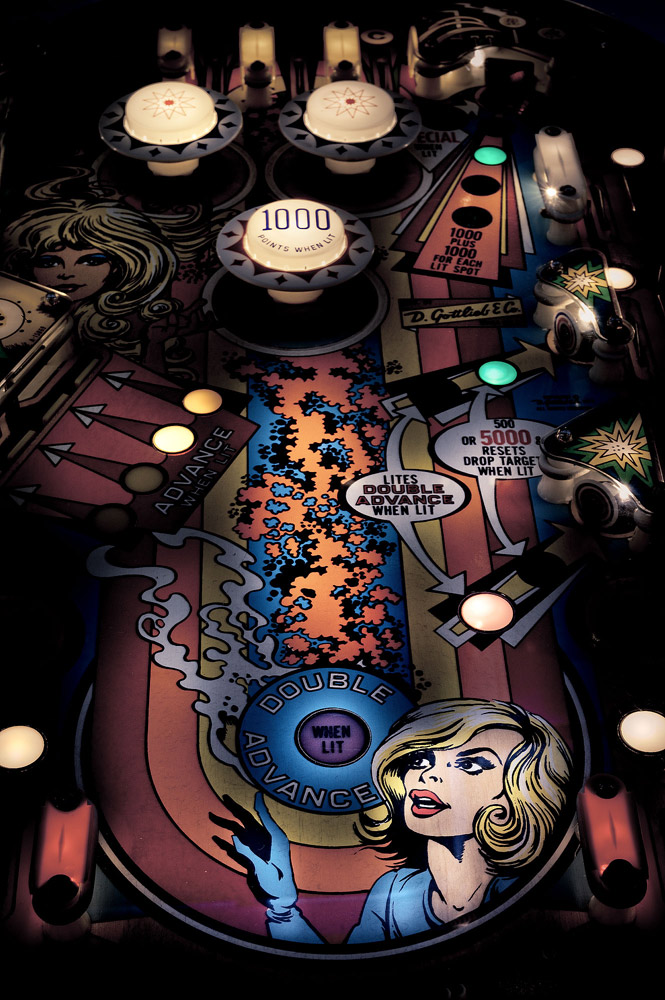
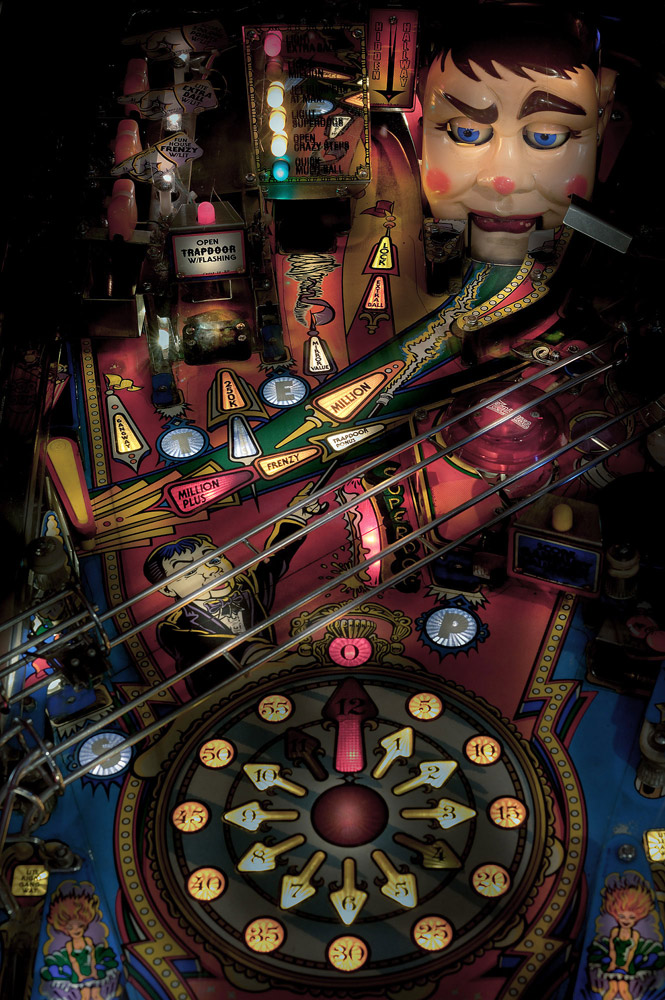
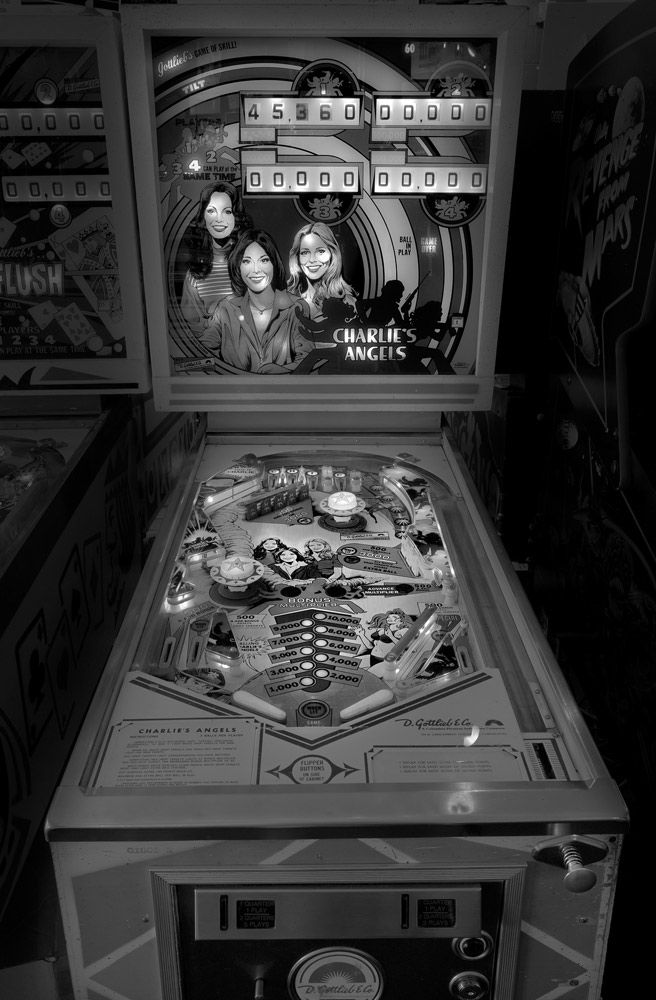
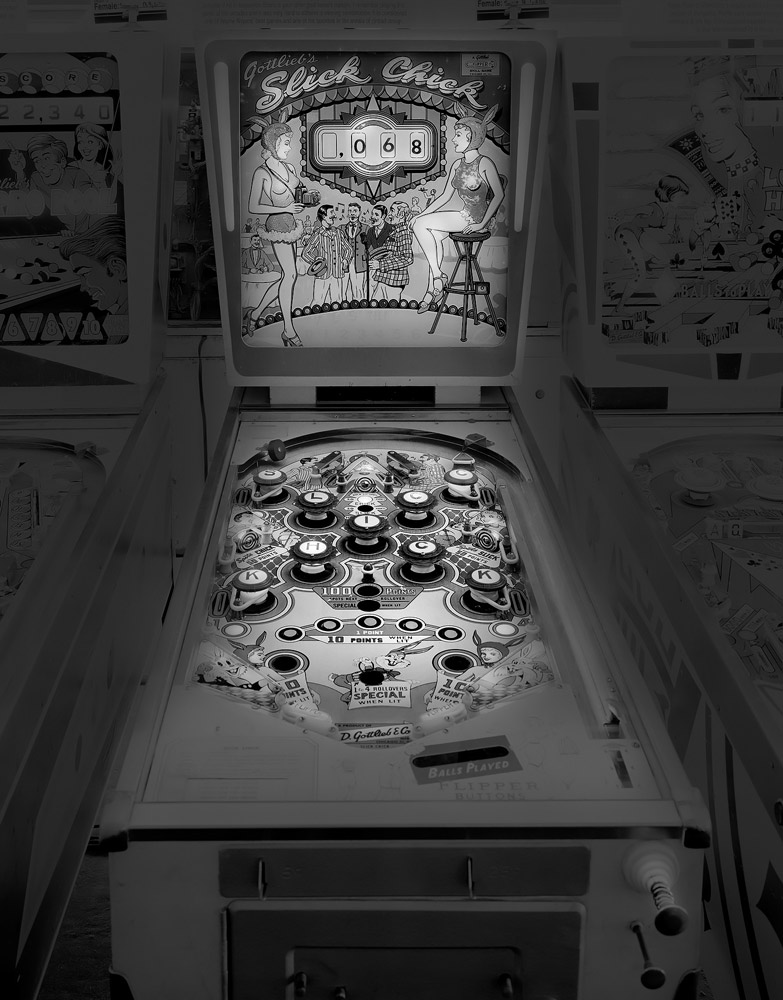
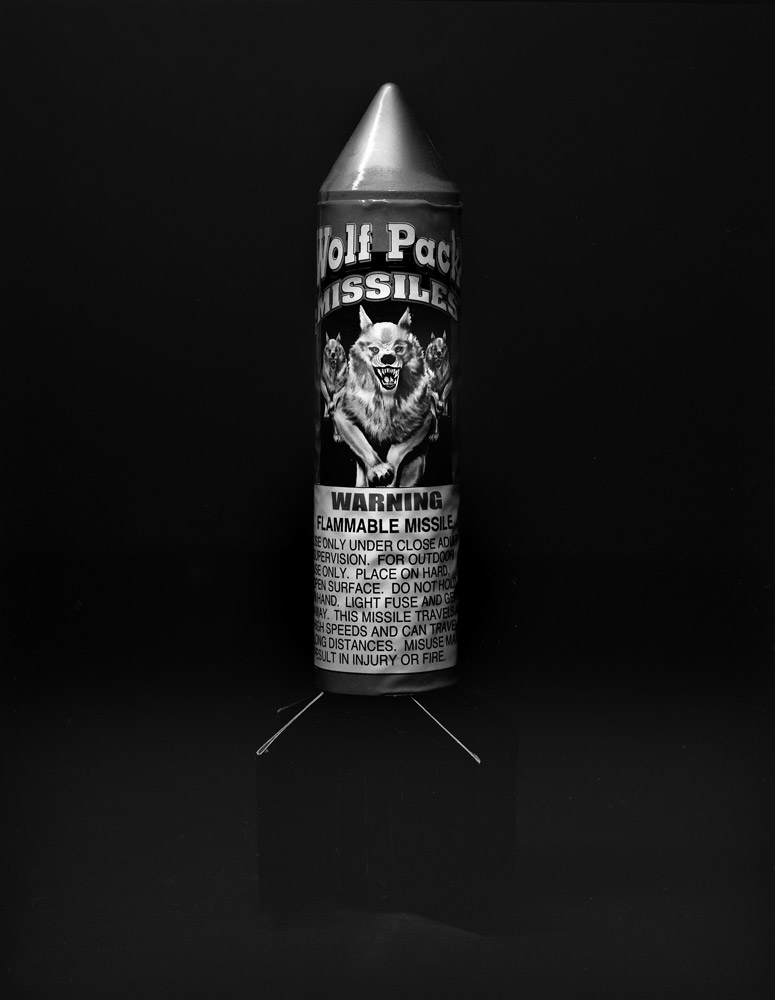
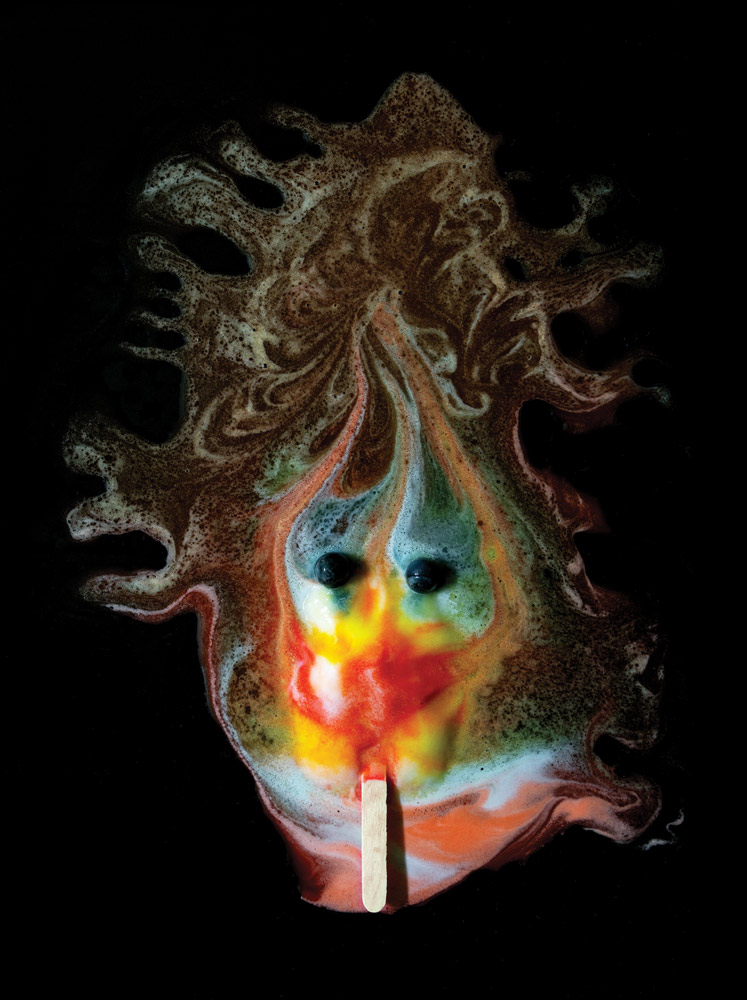
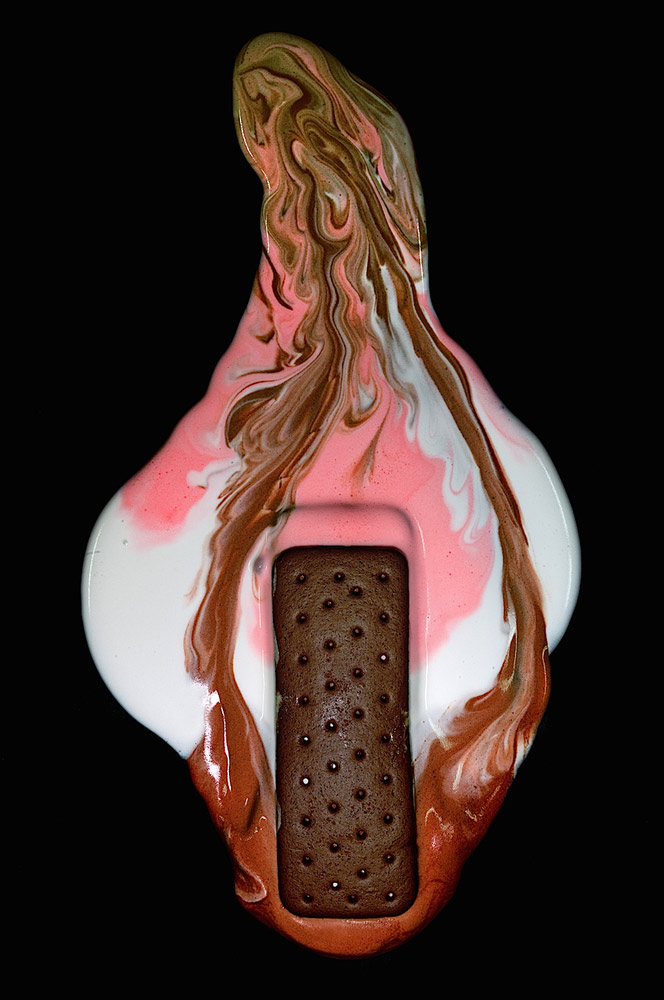
Scenes from a Childhood includes four of Massaia's photographic series: "Afterlife", documenting vacant amusements of the Jersey Shore and what remained following Hurricane Sandy; "Saudade," portraits of pinball machines at New Jersey's last remaining arcades; "Quiet Now," still lifes with Fourth of July fireworks; and "Transmogrify," abstractions of melting ice cream pops. With each of the series, Massaia asks viewers to recall the magic of our own youth and ponder how it shaped us as adults.
Afterlife: Fun House Entrance
From the book: Watching a young artist develop their style and technique over a period of years can be a fulfilling experience. When the artist is as compelling as Michael Massaia, it becomes a privilege fraught with anticipation. Time stands still when a new portfolio arrives; breath is held, expectations are managed.
The backlit black-framed environment of my online photography magazine, aCurator, coddles Massaia's photographs. I have published at least ten of his portfolios over the last six years. It is only when you are stopped dead in your tracks by one of his particular handmade prints that it becomes clear that although the web loves and has embraced him, it is in his prints that true mastery is witnessed, enough to make your heart sing, and your eyes water.
In his book "The Botany of Desire," (Random House, 2002) American author, journalist, activist, and professor Michael Pollan wrote: "Memory is the enemy of wonder, which abides nowhere else but in the present. This is why, unless you are a child, wonder depends on forgetting - on a process, that is, of subtraction." The photographs in the four portfolios that make up this book re-introduce wonder, re-present the familiar and connect us to feelings and memories of our own childhood.
The subjects of "Saudade," "Quiet Now," and "Afterlife" are devoid of their cacophony, allowing us to experience stillness and imbue them with our own reminiscences, while the wacky, sticky trails of "Transmogrify" take us back to that horrifying moment we experienced in slow motion as a much-craved creamy treat toppled to the floor.
In the more controlled environment Massaia needed to produce the still lifes, instead of managing how the wind and sea affect his long exposures on the shore at night, he had complete control over the elements, but he never takes an easy option. Photograph a pinball machine, all lights and glass? Nigh on impossible. Make a lurid kids' ice cream into a work of art? Unlikely.
Massaia is self-effacing about his incredible artistry, but he knows he must produce. His physical process chases almost impossibly after the vision in his imagination, and he is dedicated to "the importance of creating something from start to finish, by hand" while, as he describes it, "managing failure." He is propelled forwards at all times. He is driven to create, if he does not create he will probably disappear. There is nothing of the current zeitgeist about his photographs. Indeed, contrary to the ubiquitousness of digital imagery, because of his fine practices his costs steadily increase and availability of materials diminishes. Compared with volumes of trivial disposable snaps, many of which reach pointlessly towards nostalgia, it's almost impossible to conceive the lengths to which he goes to achieve such superb results. - Julie Grahame, November, 2016.
Saudade: Gottlieb's "Centigrade"
Saudade: Williams' "Fun House"
Saudade: Gottlieb's "Charlie's Angels"
Saudade: Gotllieb's "Slick Chick"

Quiet Now: Beer Can & Bottle Rocket
Quiet Now: Wolfpack Missile
Transmogrify: SpongeBob
Transmogrify: Neapolitan Bar. All images © Michael Massaia
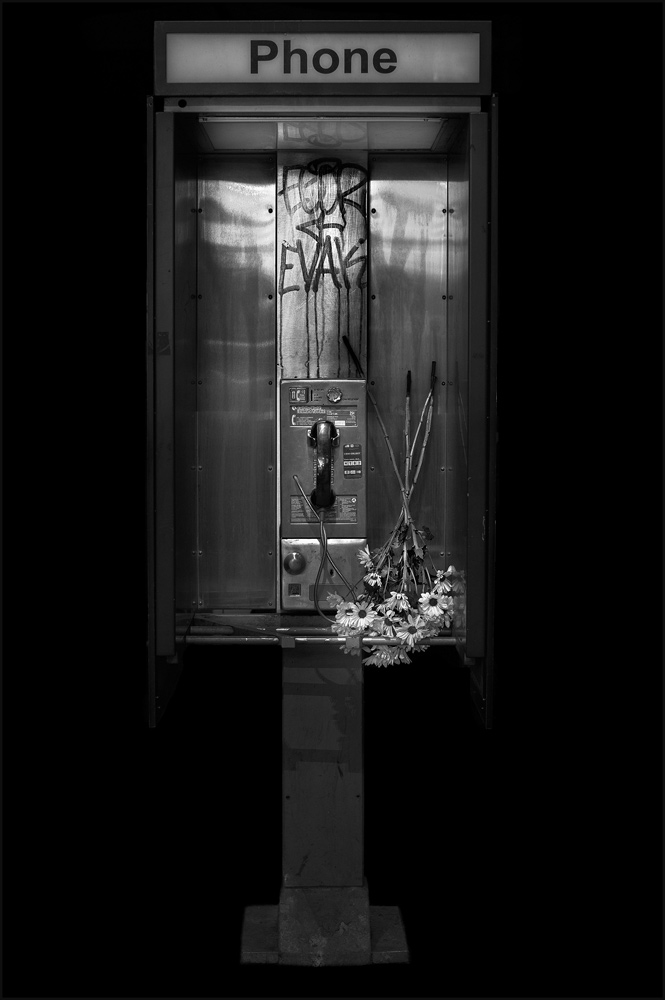
44" x 60" Selenium-toned gelatin silver print
Michael Massaia started photographing New York's last remaining pay phones in 2012. "It's in the Leaving" continues in a similar vein to Michael's previous portfolios, his nods to the recent past, its echoes, and to childhood; although one may perhaps feel less nostalgic towards this subject, not missing the days of sharing a mouthpiece with hundreds or thousands of strangers.
"While almost none of these phones still function, there is subtle proof of life inside each one. Their main function now is to seemingly act as totems pointing to less knowing, less connected, and, perhaps, better/less revealing times."
Available in real life as impeccable hand-made selenium-toned gelatin silver prints.
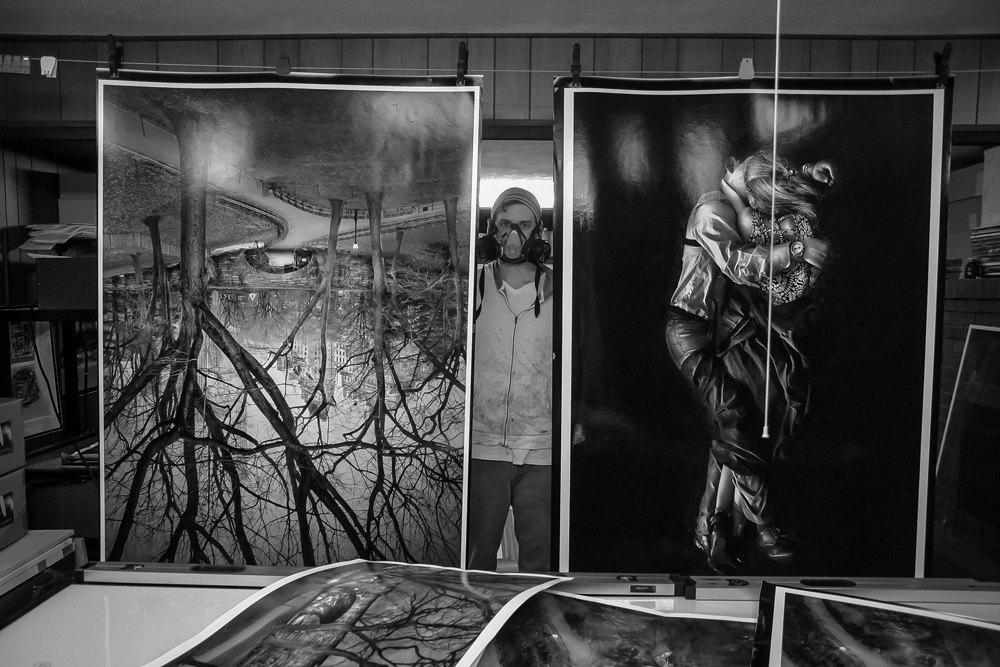
The artisan at work
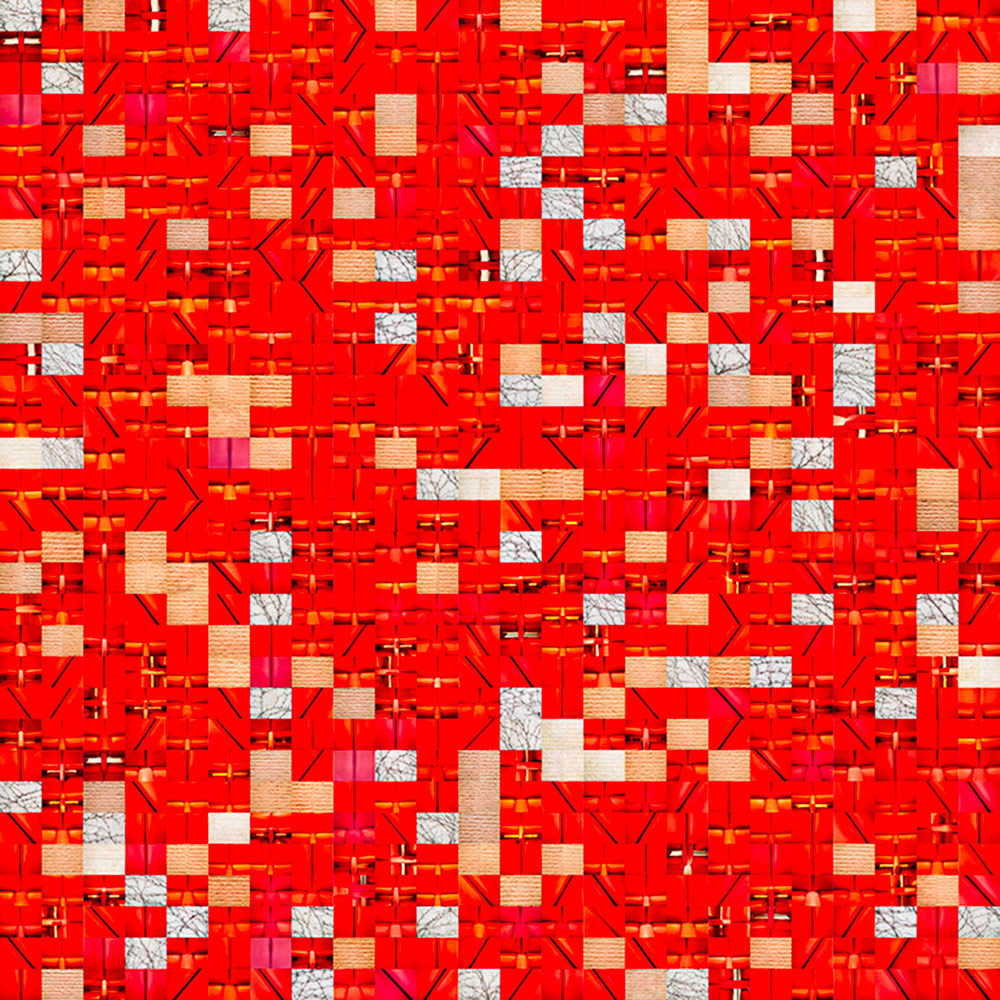
Ben Marcin photographs everyday structures such as walls, parking garages, office buildings, stairwells, sidewalks, and warehouses. Ben says he "is not interested in documenting these structures but in extracting certain elements from them to create photographs that describe shapes and forms, patterns, geometry and color." Most successfully!
In this project, he traversed several museums, photographing everything but the art. "Marcin set out to create a work of art by using the basic infrastructure of a building that houses masterworks of arts. He spent hours inside each museum photographing the ceiling lights, hand rails, display cabinets, air conditioning ducts, auditorium seats - anything he could think of other than the actual art hanging on the walls. Occasionally this led to interesting conversations with the security guards. Later he built very complex grids using selected individual photographs, thus presenting a virtual deconstruction of each museum. All of the photographs in the composites are straight images."
Go see: Ben's solo exhibition at
C. Grimaldis Gallery in Baltimore, now through December, 23, 2017 (in conjunction with another aCurator favorite,
Tara Sellios).
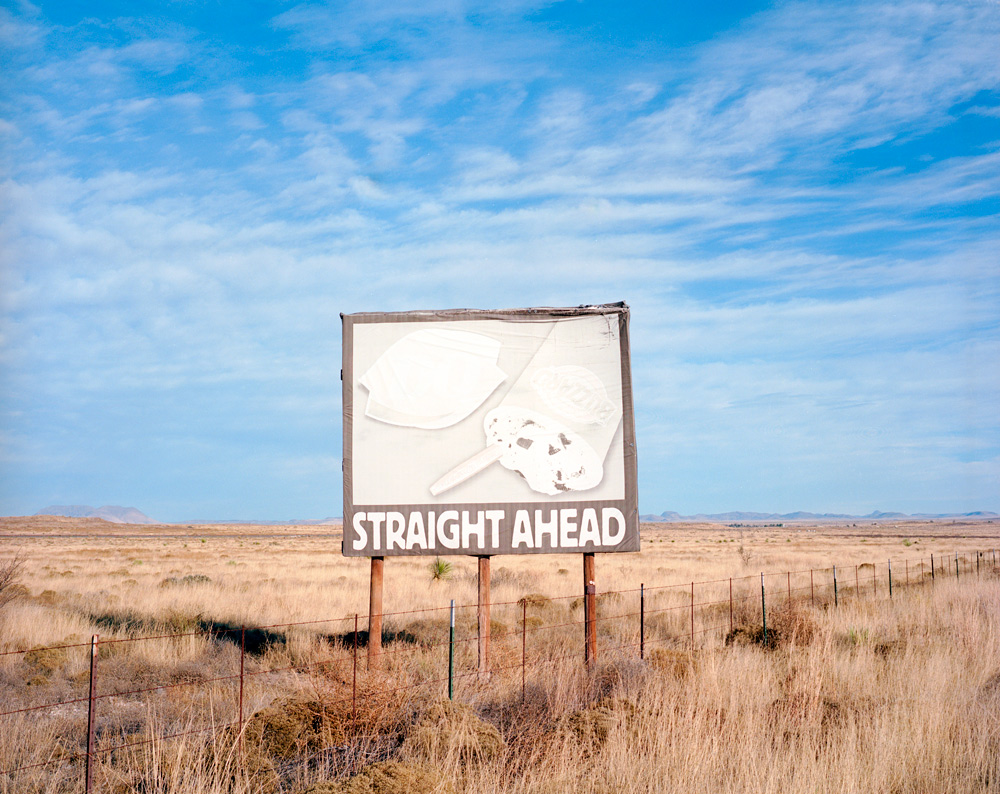
© Rob Hann
Rob Hann shares another of his perennial road trips, from earlier this year, this time covering Arizona, California, Oklahoma, New Mexico and Nevada.
View the full screen magazine photo feature, and if you're in New York City, wander down Prince Street and see if Rob is there selling his lovely and affordable prints. Holidays are coming!
Writes Rob: Music plays a big part in my road trips. I travel alone and the playlists I take with me set the mood when I'm out there. The strange and restless road songs on Joni Mitchell's 1976 album "Hejira" are always with me.
These lines from the song "Black Crow" seem to say something about what I'm doing when I'm on the road.
There's a crow flying
Black and ragged
Tree to tree
He's black as the highway that's leading me
Now he's diving down
To pick up on something shiny
I feel like that black crow
Flying
In a blue sky
Go on Rob Hann's previous road trips:
Lone Star State of Mind
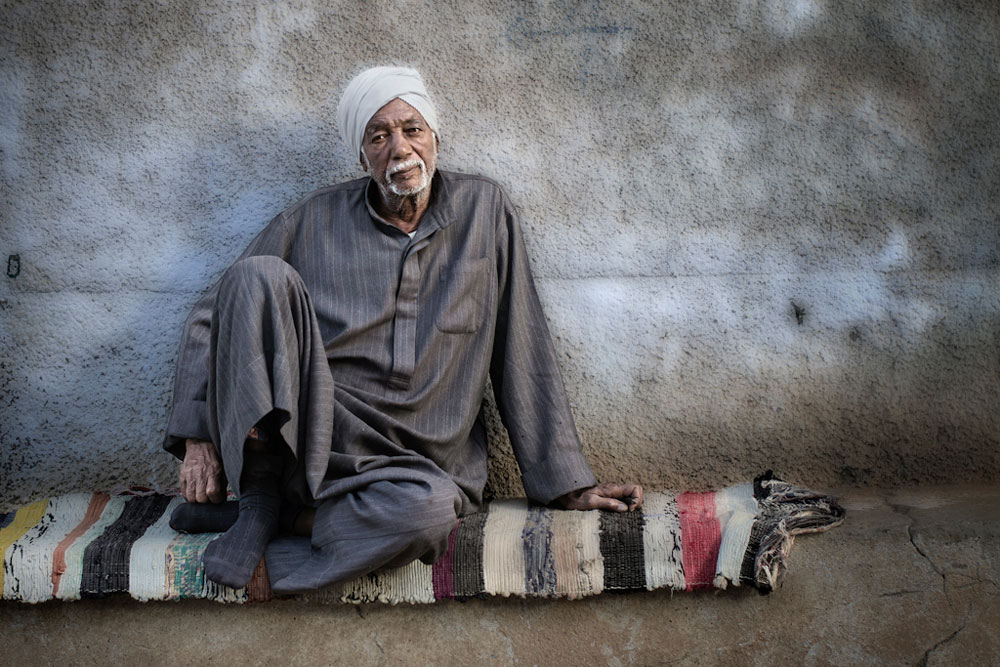
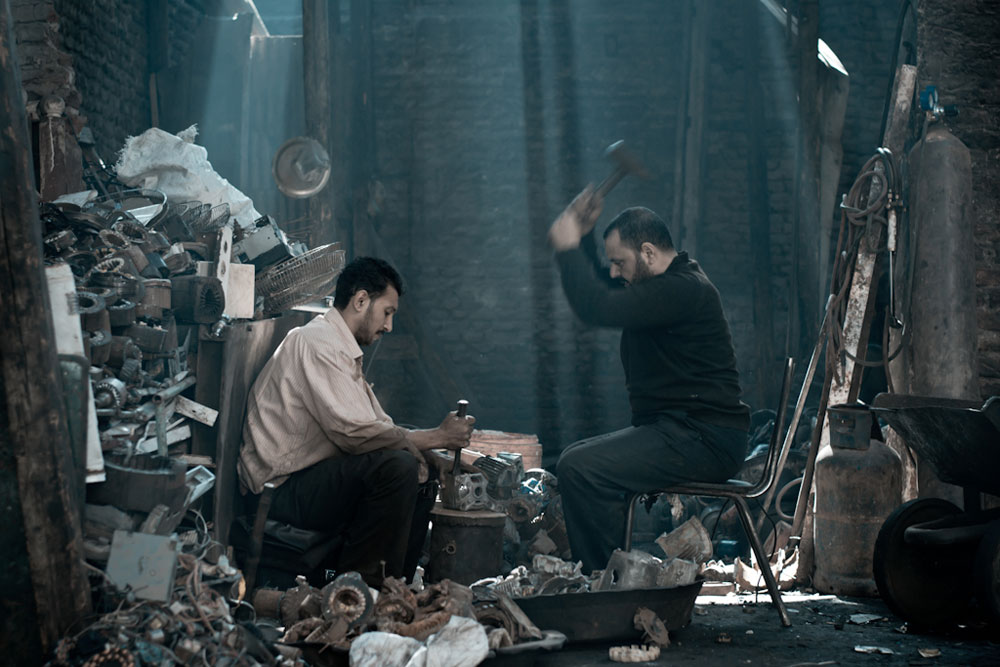
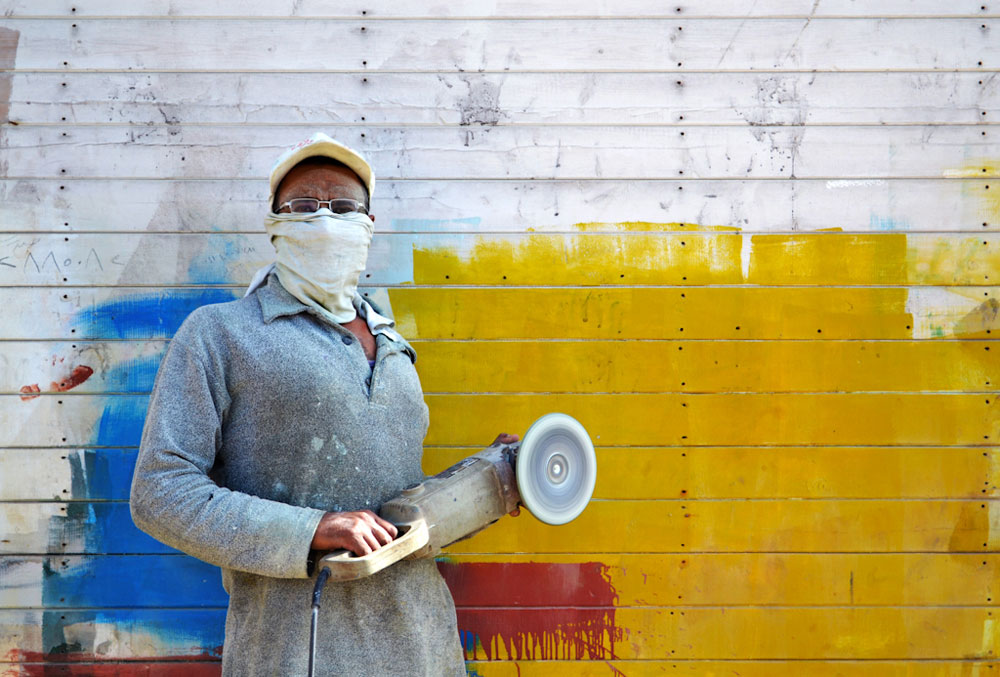
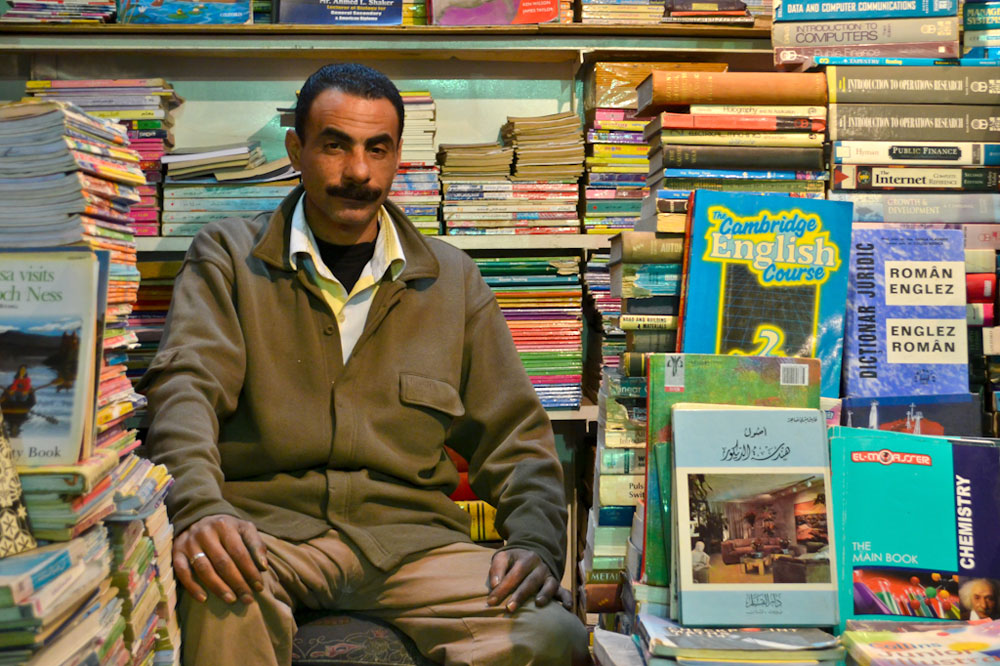
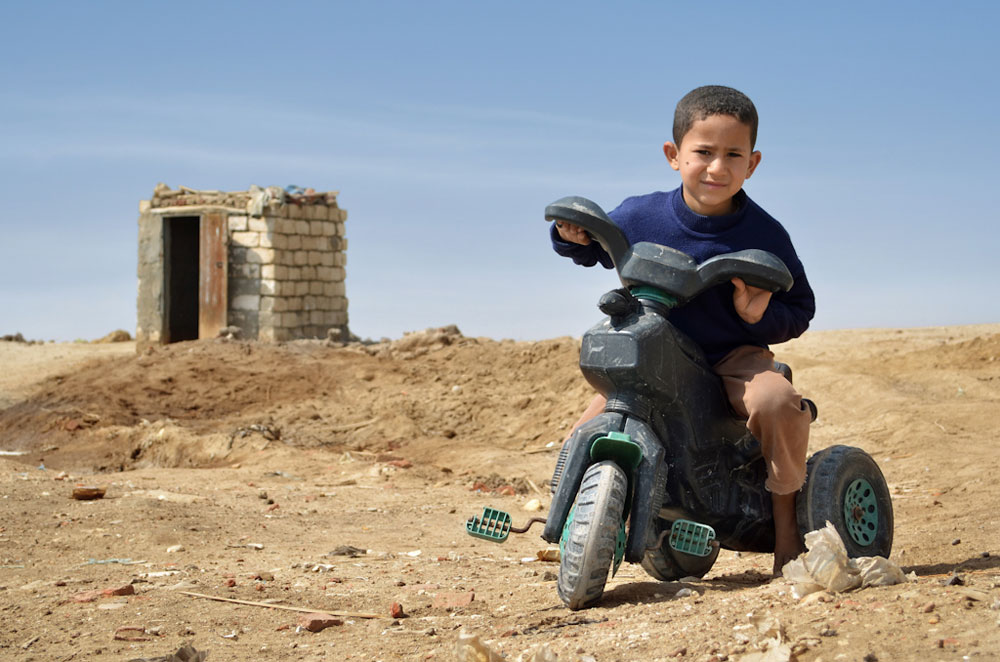
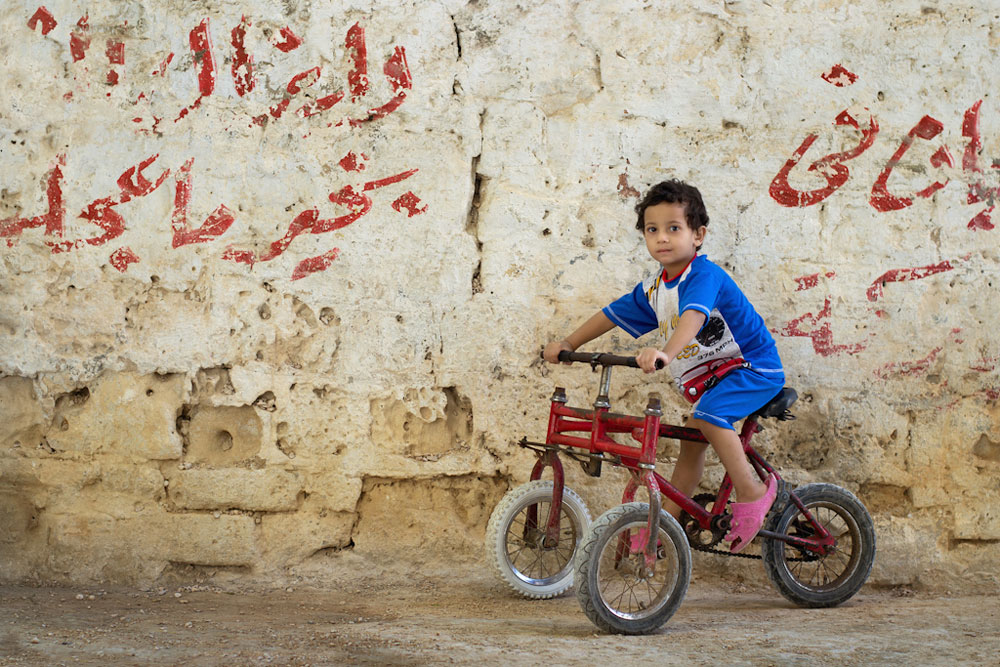
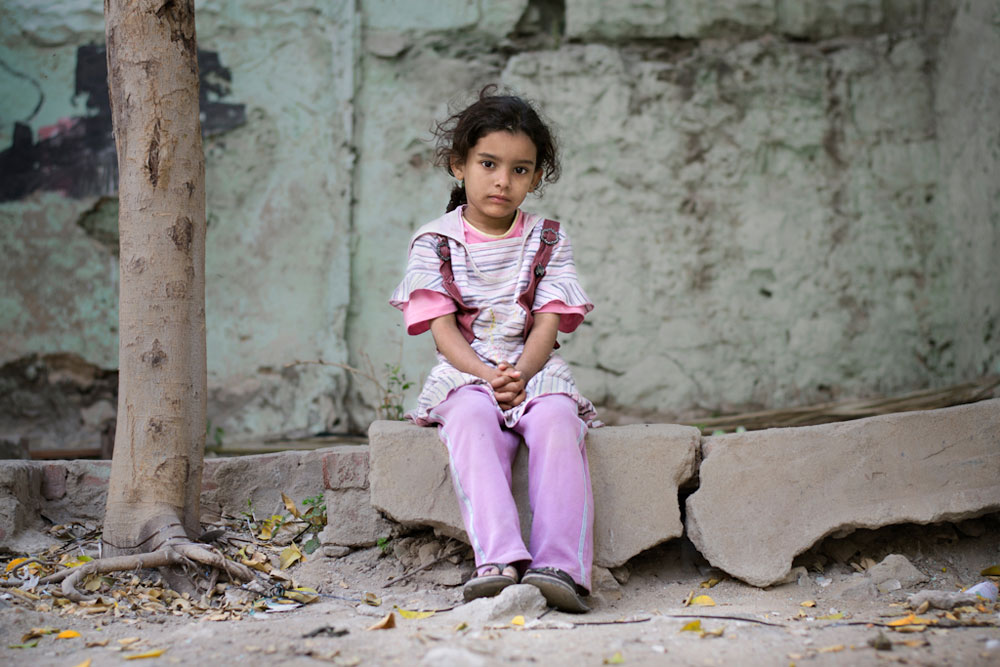
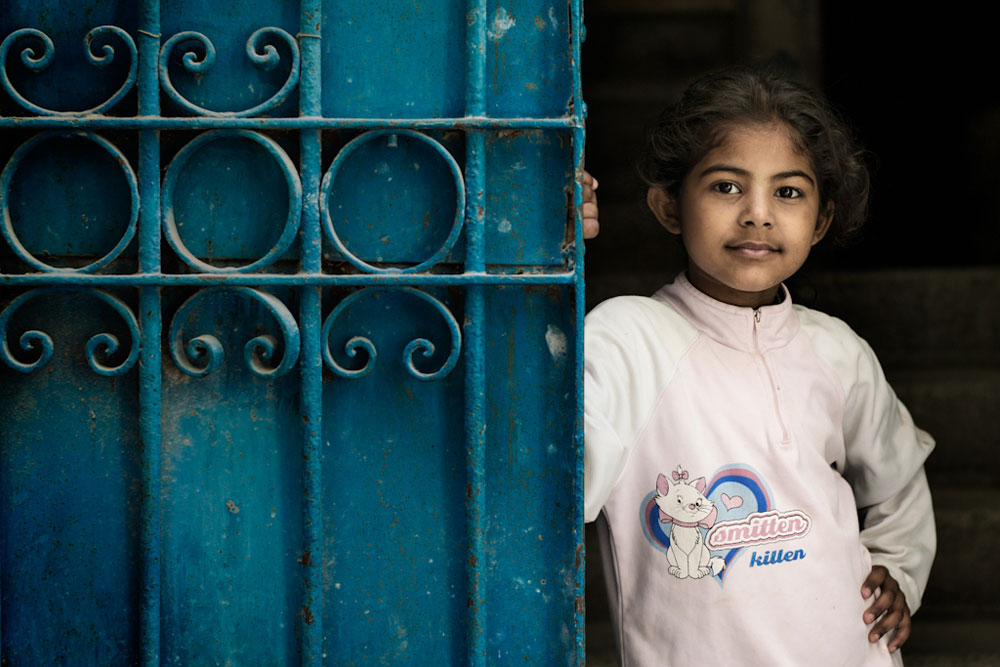
Yasser Alaa Mobarak is an Egyptian photographer based in Delhi. Yasser sent in a selection of fabulously engaging portraits from his "Human" series. I think they speak for themselves.
Yasser Alaa Mobarak is a 24-year-old, Egyptian award-winning photographer. He has won photography prizes from National Geographic Traveler India, National Geographic Egypt, International Federation of Photographic Art, Photographic Society of America and Prix De La Photographie Paris. Yasser's works have been featured in National Geographic Magyarország, National Geographic Srbija, Digital Camera World Magazine, Amatuer Photographer Magazine, Smart Photography Magazine, Silvershotz Magazine, Adobe Blog, PBS NewsHour and Xinhua News Agency. He is holder of AFIAP distinction from the International Federation of Photographic Art and holder of Associateship from Image Colleague Society International. He was judge at Adobe Youth Voices Awards, Romania's National Creativity Contest and The Photographic Angle. He is visiting Faculty at Delhi College of Photography and Author at Digital Photography School.
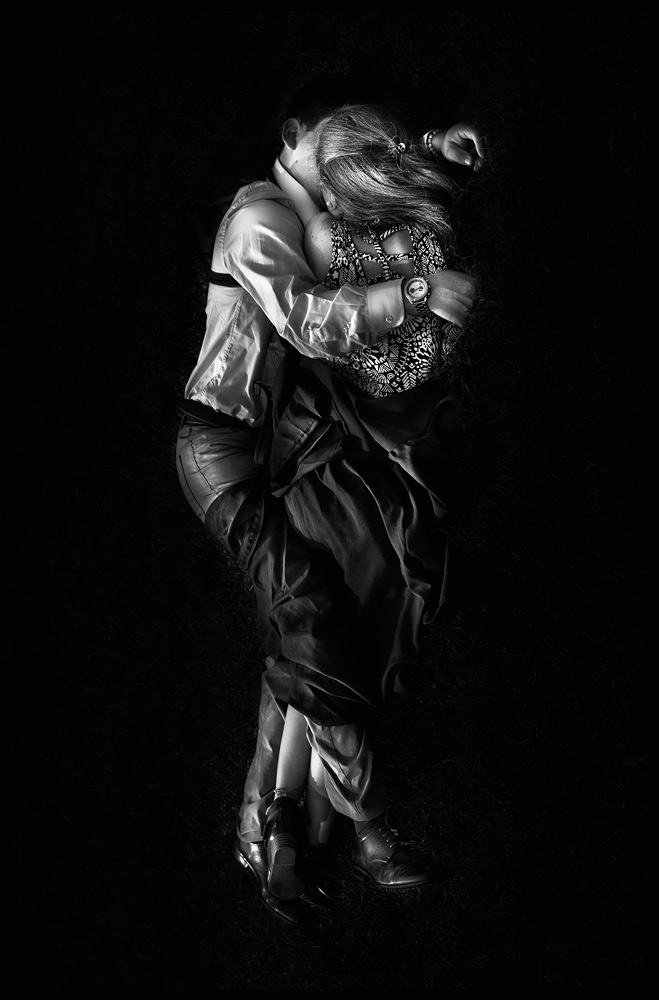
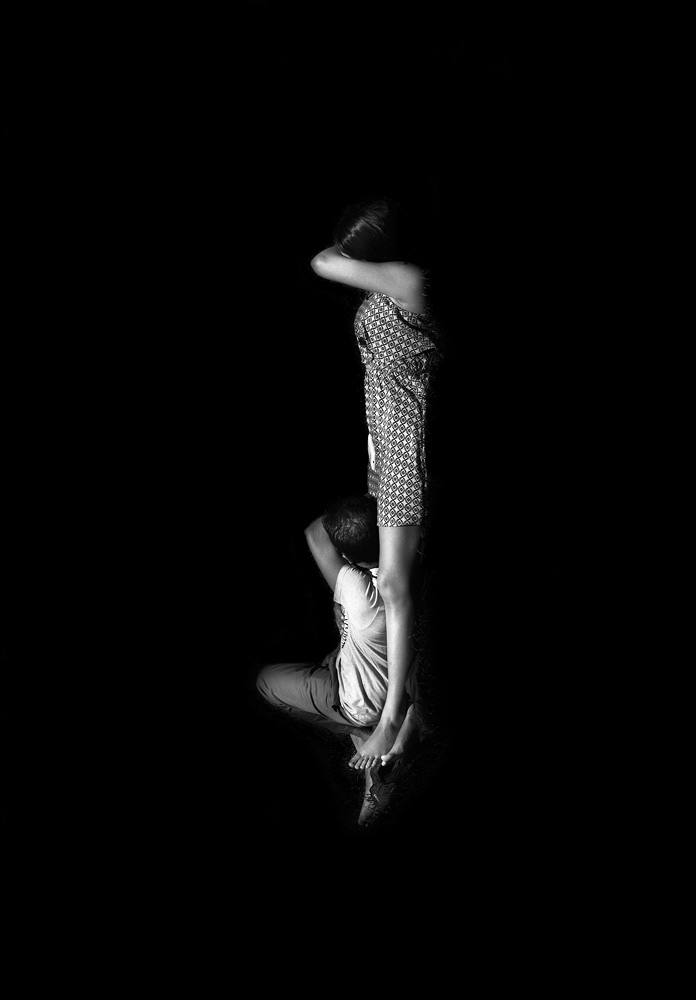
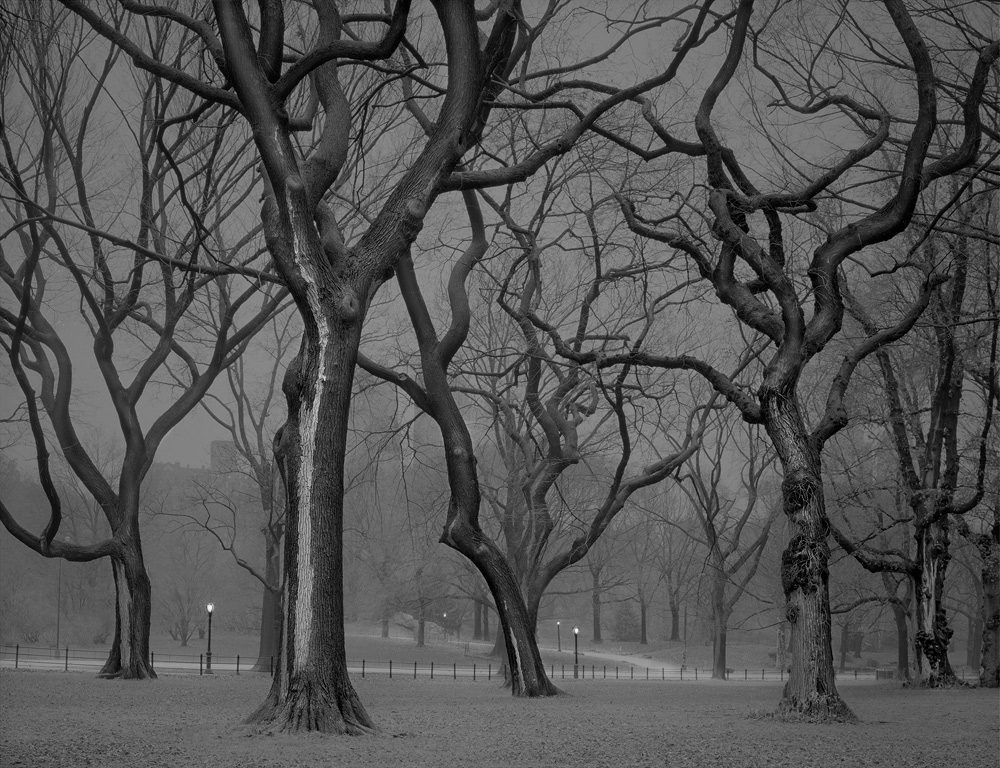
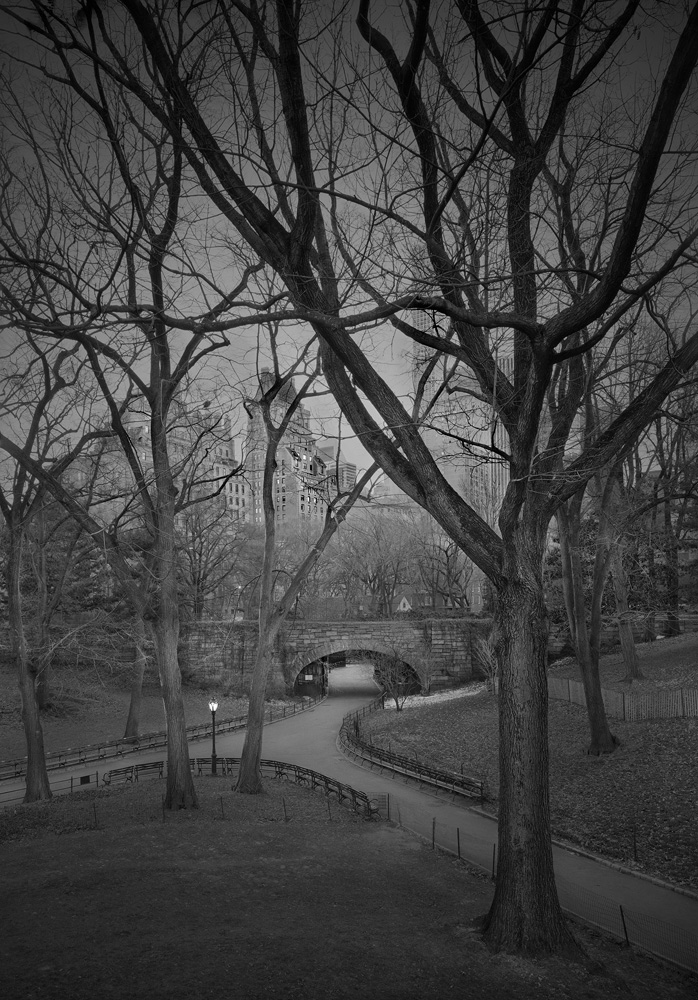
Couple #1, 2015. 44 x 60" Selenium-toned gelatin silver print
"Michael Massaia is a fine art photographer and printmaker who has crafted an enviable body of work comprising fifteen portfolios by depicting ordinary and often overlooked subjects close at hand. Isolation and quietude are a constant in all of his work. He focuses primarily on large format, black-and-white film, utilizing a variety of highly modified proprietary analog and digital printing techniques. Massaia always works alone and is the sole craftsman from the instant the negative is exposed to the moment the final print is produced."
Couple #7, 2014. 44 x 60" Selenium-toned gelatin silver print
"Utilizing slow black-and-white film, Massaia meticulously prints and tones his large-scale analog photographs in his darkroom back in New Jersey, which has been customized to produce prints up to 3.5 x 4.5 feet. The impressively rich, detailed gelatin silver prints exhibit a breathtaking tonal scale due to a stain developer called Pyro (notorious for its toxicity)." Brian Clamp
They must be seen to be believed. On view, and for sale,
"Deep In A Dream" at ClampArt from September 28 - November 25, 2017. Opening Reception: Thursday, September 28, 2017, 6:00 - 8:00 p.m.
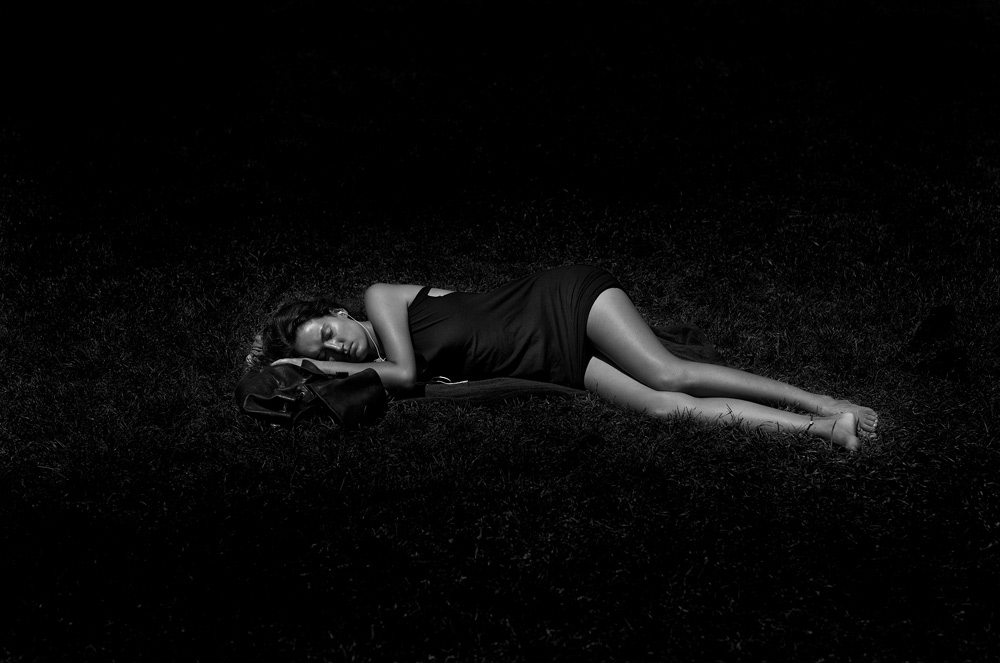
Sleeper #1, 2013. 22 x 28" Selenium-toned gelatin silver print
Himself
Westside Sunrise, 2009. 22 x 28" Split-toned gelatin silver print
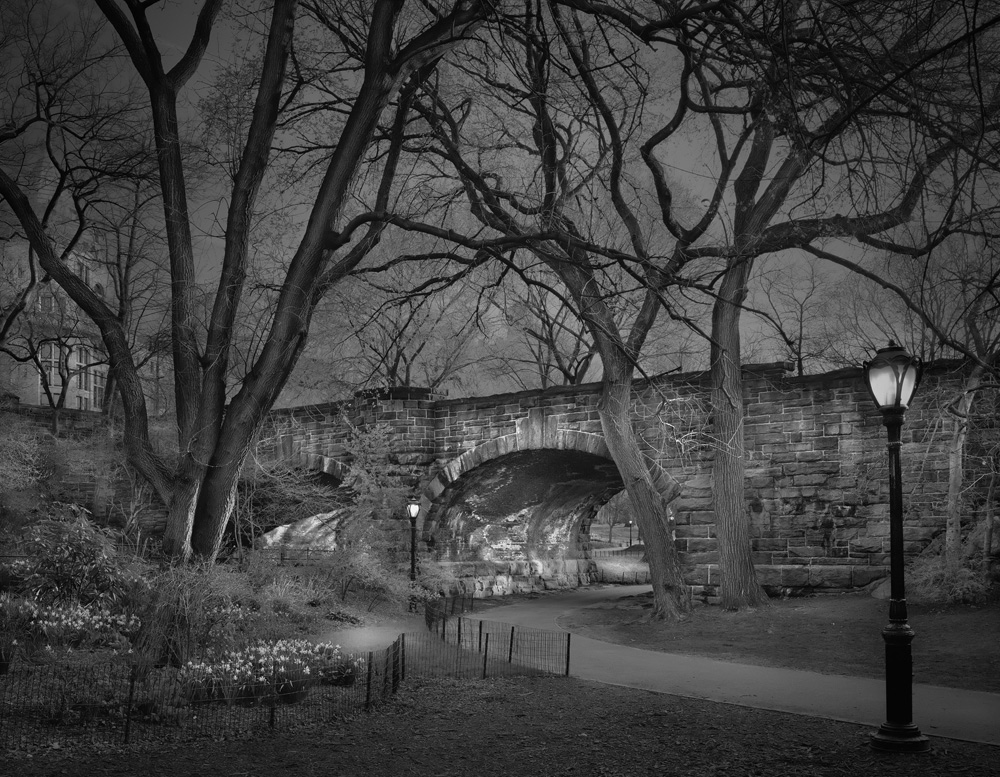
The Mall, 4am, 2012. 30 x 40" Split-toned gelatin silver print
Zoo Entrance, 2016. 44 x 60" Selenium-toned gelatin silver print. All images © Michael Massaia
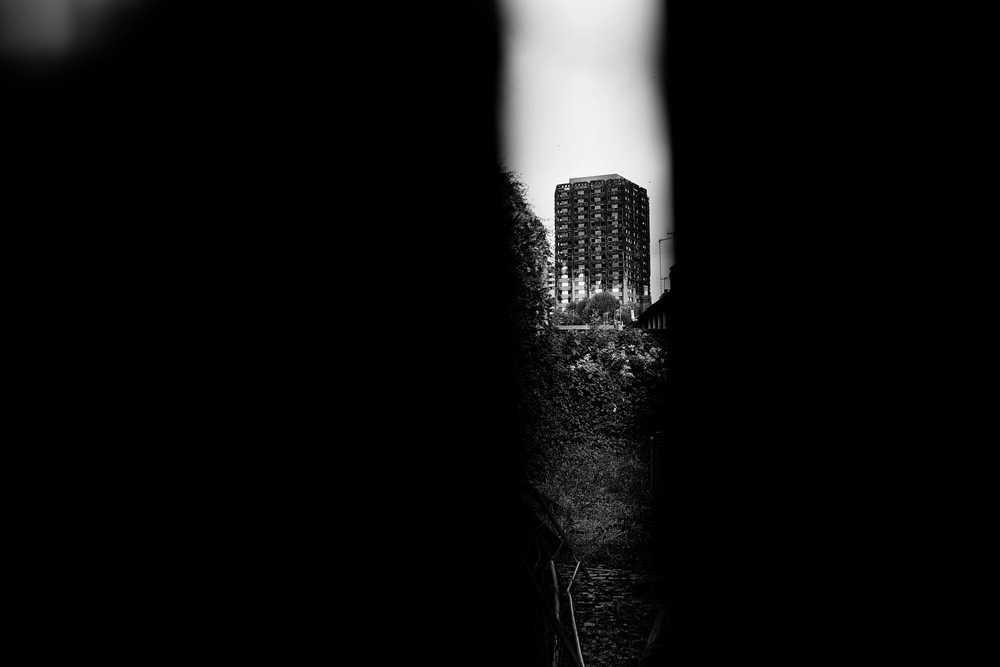 © Brian David Stevens
 "The faces look out at you from the street, posters for the missing and the dead are everywhere in the area. They were a constant when I was photographing. It was vital to record these before the posters faded and disappeared and the victims became just numbers and statistics. The faded images were important.
"I started to photograph Grenfell Tower the day after the fire. I took these pictures as a member of the public. I was in the same state of shock as everybody was as I walked around the block. I didn't want to use privileged viewpoints, I wanted the same view as everybody else. I used a camera with a fixed lens that gives a similar viewpoint to your eyes, you are seeing what I'm seeing and hopefully nothing is getting in the way of that vision.
"I photographed the area every day for a month after the disaster, circling the tower. You have to immerse yourself in the subject, but no matter how many times I went back, each time I saw the burnt out husk of Grenfell Tower it utterly floored me. It never became 'normalised', it was still utterly shocking. Every day I just walked round the site making pictures, but mainly just looking. The tube station (Latimer Road) is next to Grenfell Tower and still, weeks later, the tube goes quiet as it passes; the streets are quiet. There's a huge amount of anger there under the surface. The presence of the burnt out block casts a black shadow over the area. It's been described to me as a vast tomb in the sky. It must be incredibly difficult to get on with life seeing it there every day.
"I've seen the story being exploited by all sides of the debate, without much thought for the actual victims of the fire. It's a complex situation and it helps nobody to describe it in soundbites. The BBC has been doing a very good job there. People are angry though and people are in pain, this must be realised. I knew I had to try to make honest, respectful work, and I hope I have." - Brian David Stevens, August, 2017.
The series will exhibit as part of the
Northern Eye Festival in Colwyn Bay, North Wales, from October 9th to 21st, 2017.
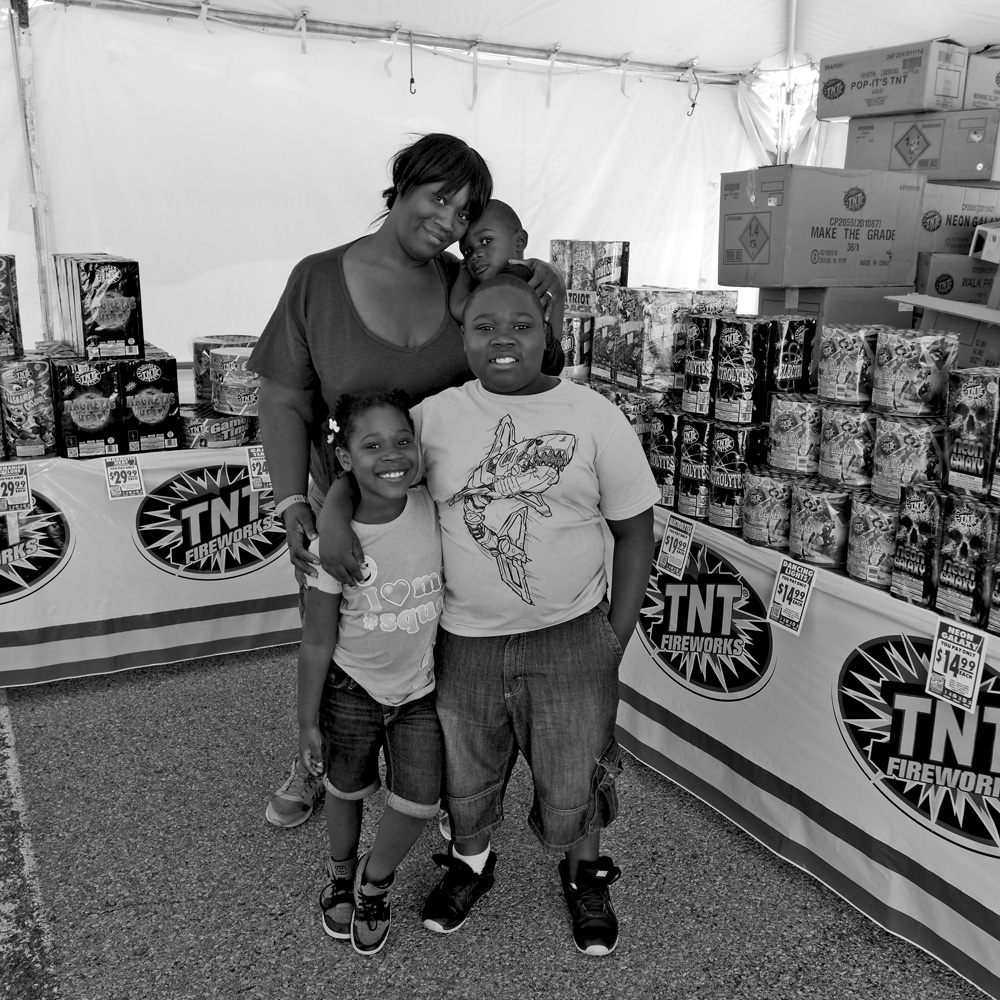 'J' Power: Jaylynn, Jernelle, Jaison and Justin shopping for Fourth of July fireworks. After telling them that my name was Julie and that my siblings' names were Jamie and John, I said "Let's hear it for 'J' power!" and we all let out a whoop. © Julie Mihaly
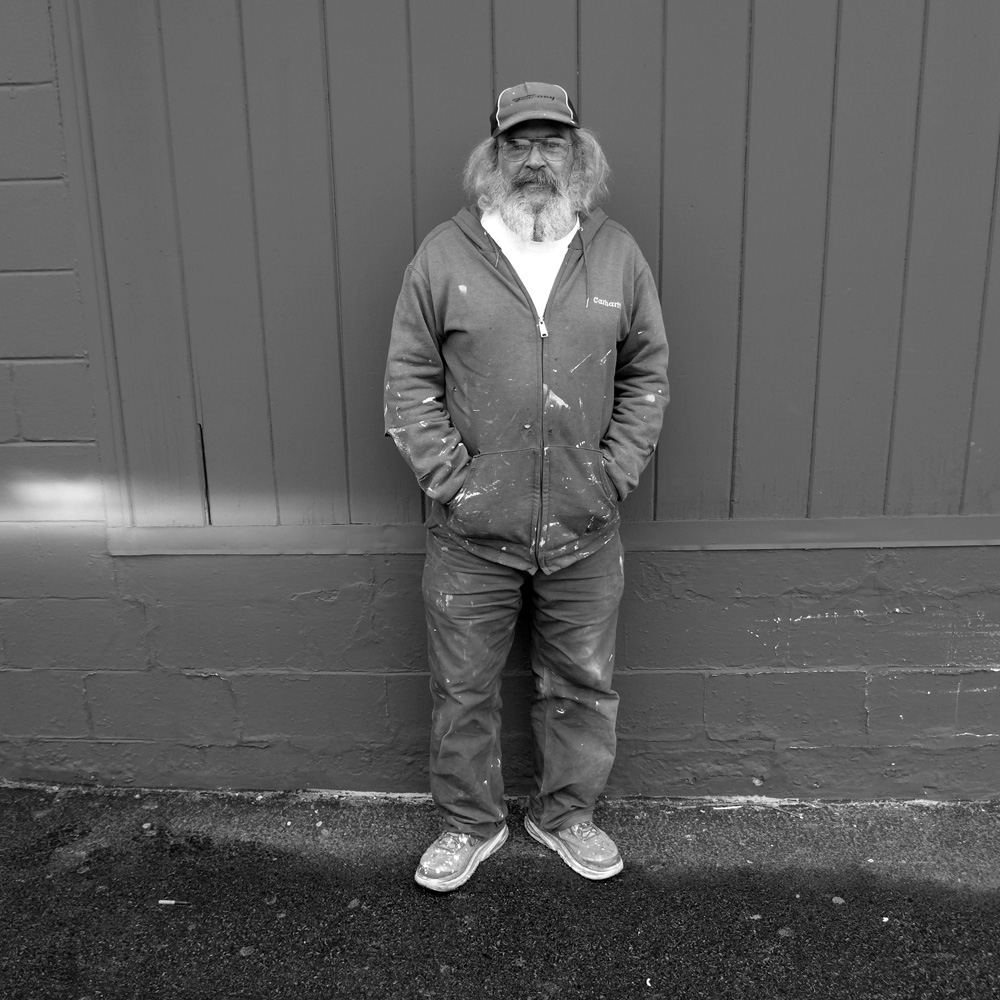
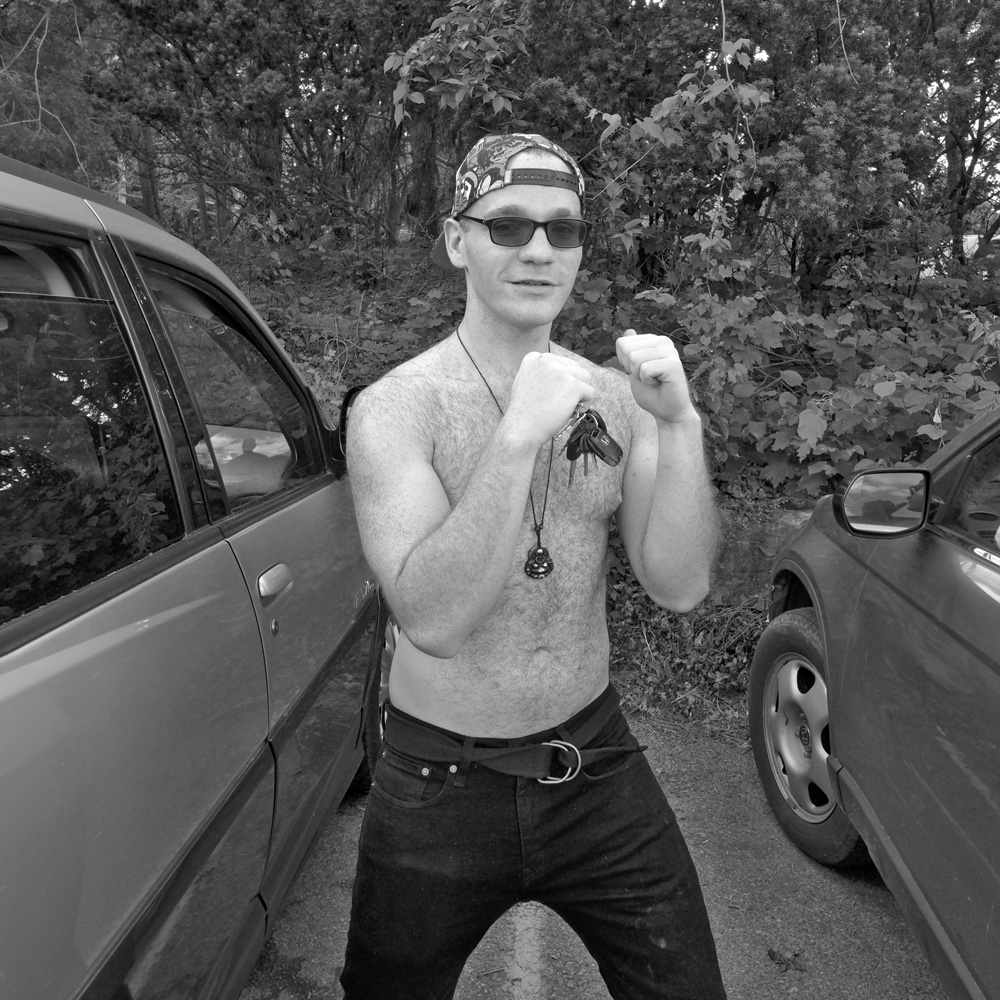
My colleagues and friends are tired of my mantra: you don't have to go far from home to make great photos. But I'm right!
"In early September 2016 I began photographing as many people within a four mile radius of my home in Poughkeepsie, NY as would let me. Although many have declined my request, many people have been willing, kind and supportive. Radius has given me the opportunity to engage with my community in a way I never have before. The fact that I end up with images, and at times, wonderful bits of information about my subjects, feels like icing on the cake. And so the project continues."
Julie Mihaly.
Dan outside Davies Hardware on Main St. Dan's been a carpenter for 35 years and said, "Frankly, I'm a little sick of it."
John, a waiter/boxer/massage student, responded to my request to photograph him with, "With my shirt on or off?" as if those were the two options that would present themselves to anyone I might ask to shoot.
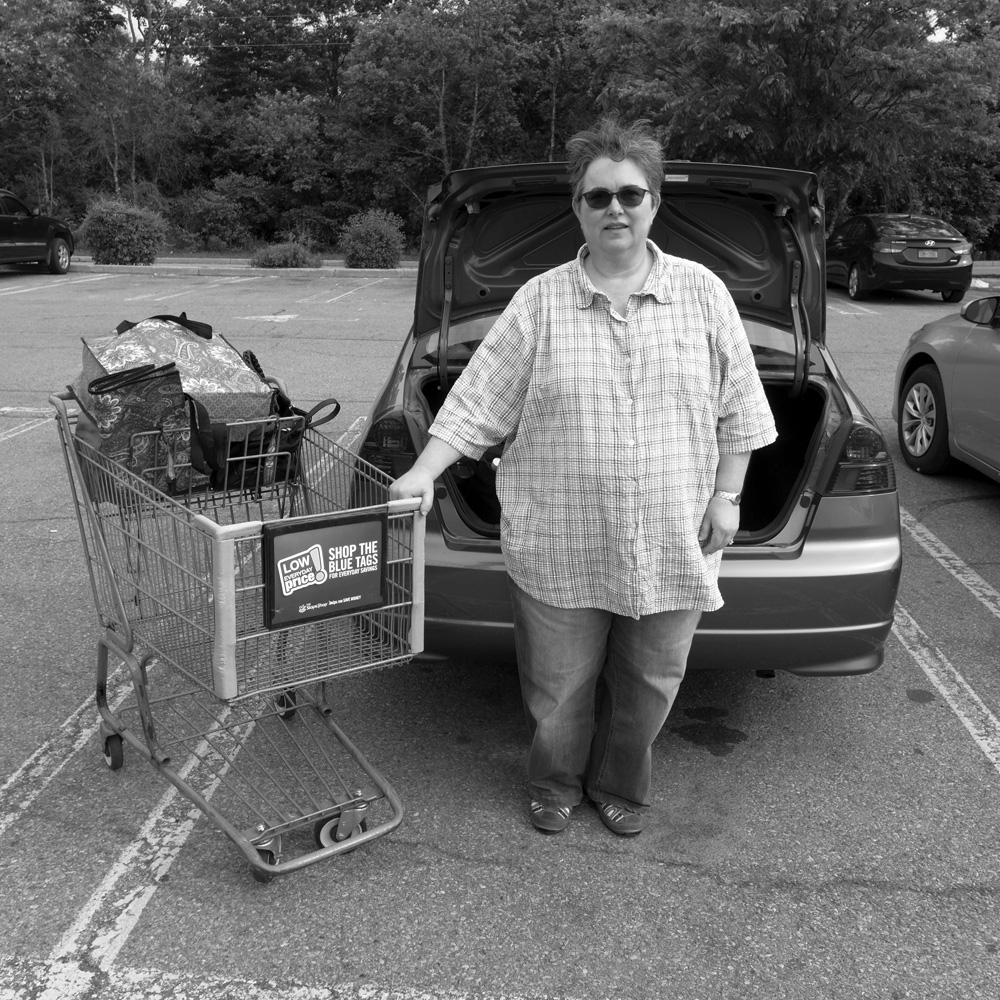
Meg outside Stop N Shop. When I asked if there was anything interesting about her that I should know she quickly and flatly answered, "No." I laughed and said, "Well, then what would your mother say about you." She smiled, looked down and said, "That I'm wonderful."
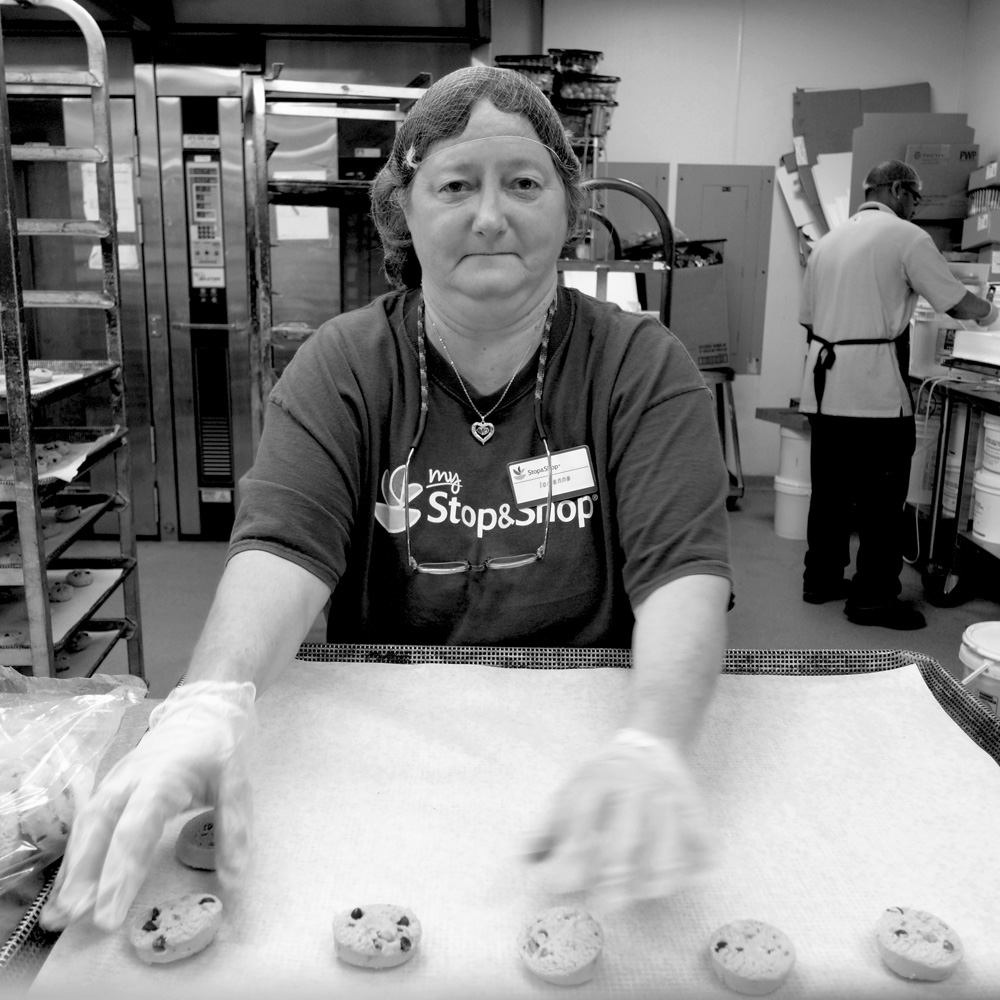
Lorianne preparing a batch of chocolate chip cookies in the bakery at Stop N Shop. When I asked her to tell me something interesting about herself she said, "I'm the mom of three and grandma of nine. To me that's interesting."
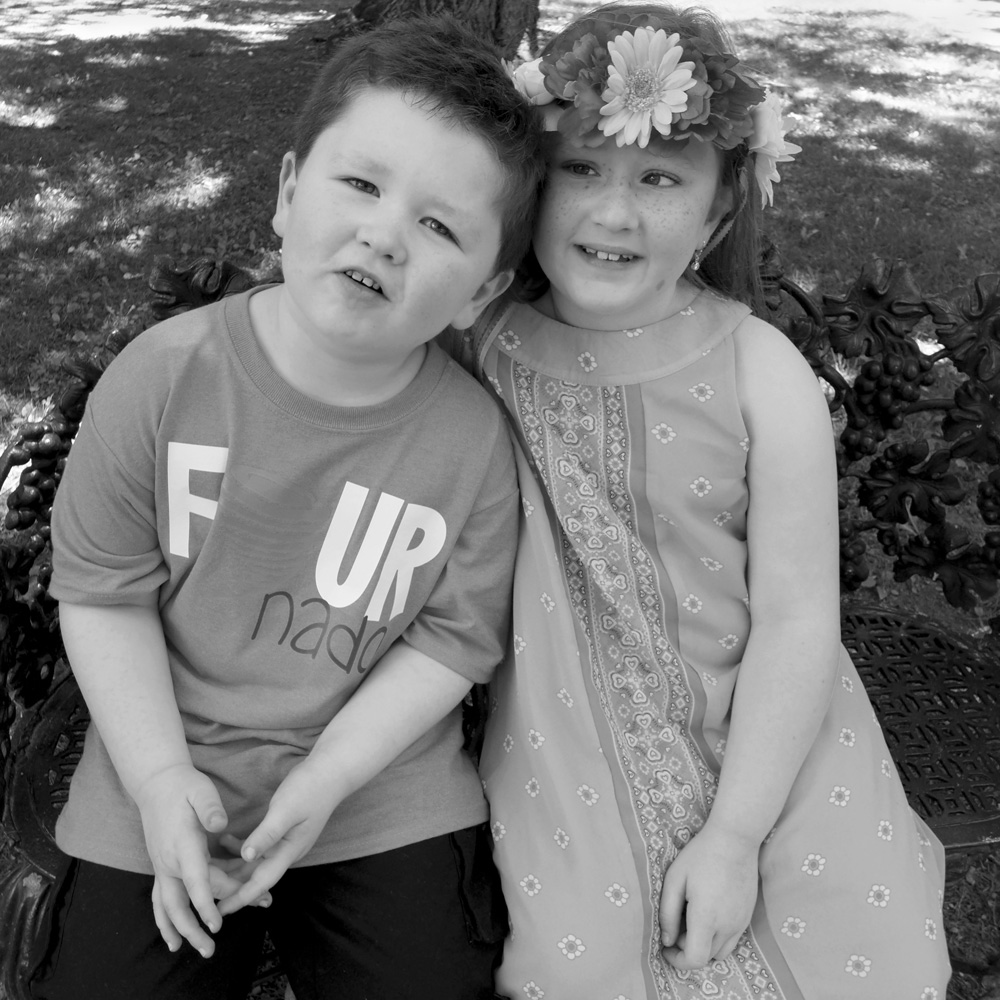
Birthday girl Sophia with her brother Logan at Locust Grove. Their mom kept trying to get Logan to smile by saying, "Logan! Think about poop!"
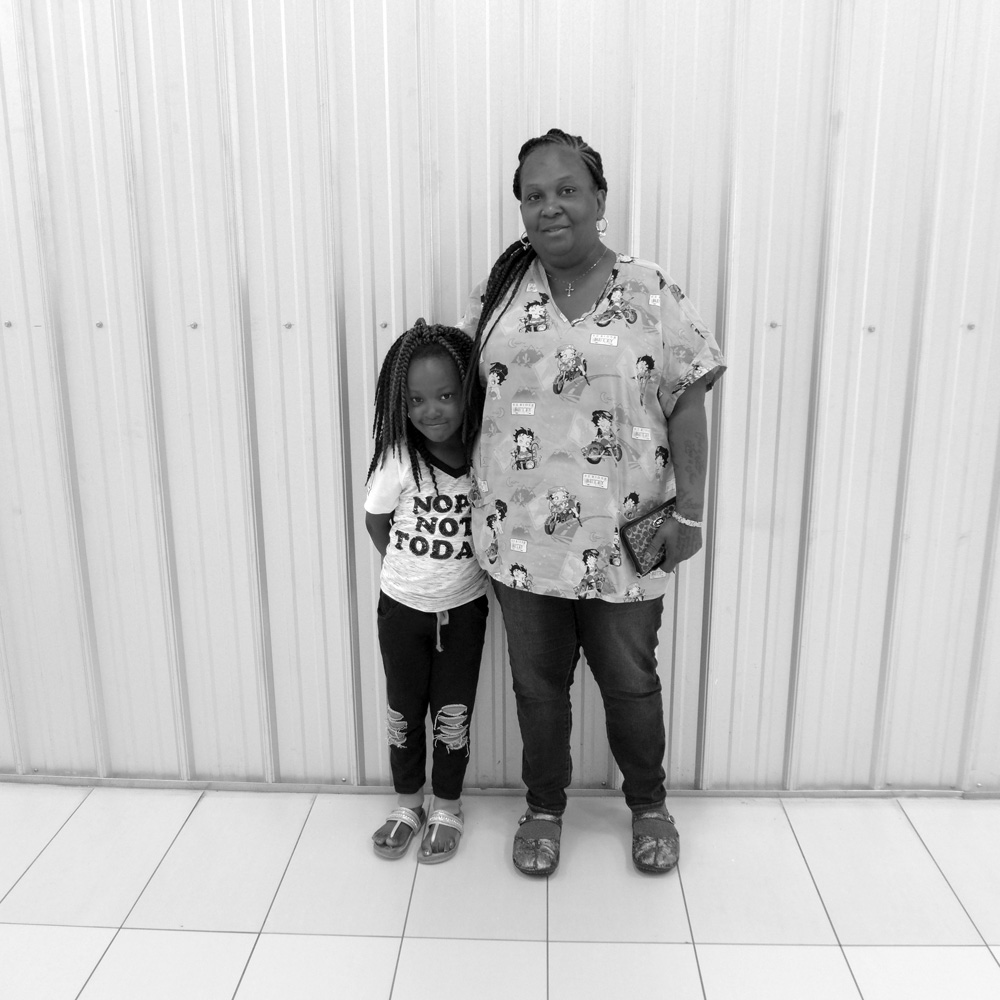
Shamiah and her mom Teresa outside the movie theater where they'd seen "Wonder Woman." I asked Teresa what she loved most about Shamiah and she said, "She's just love. She loves to hug people." I laughingly told Shamiah she didn't have to hug me, but lo and behold if she didn't surprise me with the most lovely embrace I've had in a long time.
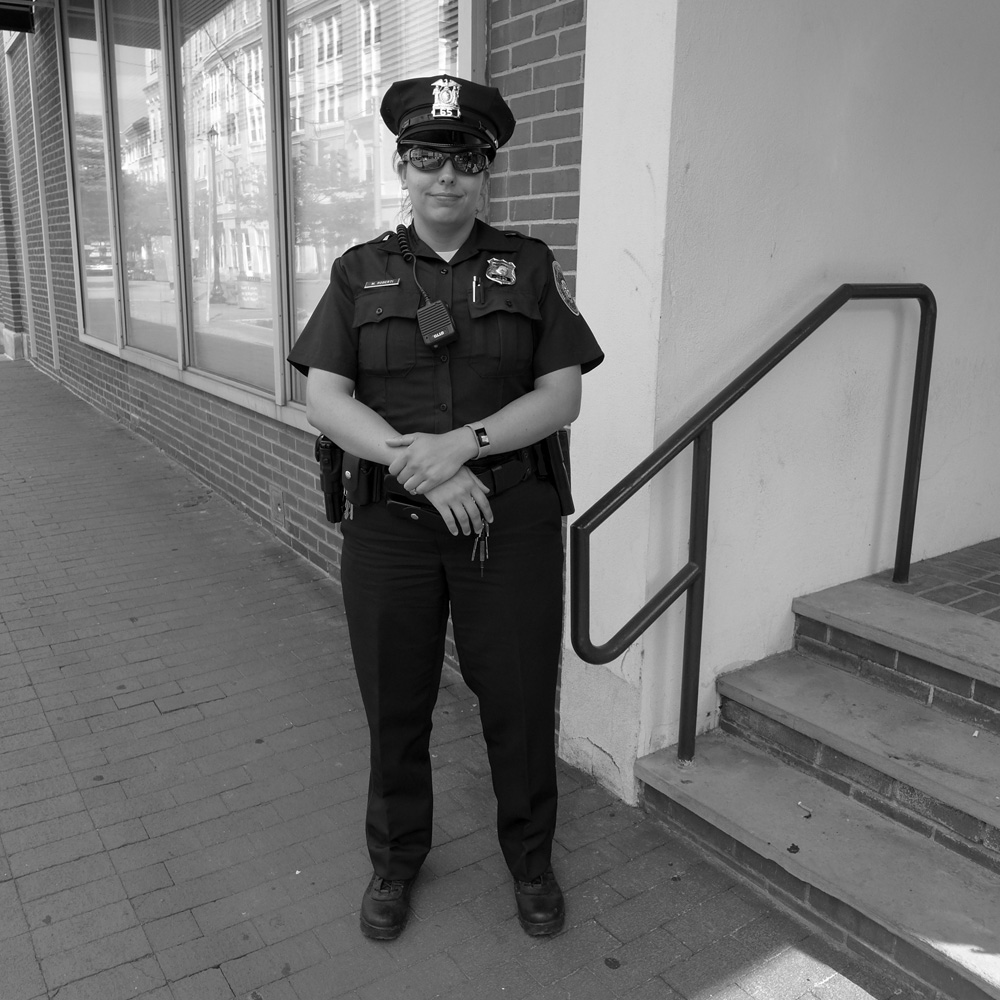
Marina on duty on Main St.. When I asked her to tell me something interesting about herself she said, "I'm obsessed with music and theater." After telling me that she'd been an EMT and cop for 16 years I asked, "If you could have your heart's desire, what would it be?" She answered, "I'd be a rock star."
Jamal, who had a surprisingly soft voice and such kind eyes. He said, after I'd shot him, "I wish you luck with your career."
(Clockwise from top left) Cheryl, Jenae, Timothy, Lilianna, Alisa and Leilani taking part in the weekly kids' activities fun time at Poughkeepsie Plaza.